


The Rationale: A Push for Public Health
This significant dietary shift isn't just about changing tastes; it's a deliberate policy decision by Maharashtra's Public Health Department to combat a growing crisis. The Government Resolution (GR) aims to tackle the rising incidence of non-communicable
diseases such as diabetes, hypertension, and obesity, which have been linked to sedentary work lives and diets high in processed foods. By making canteens and official meetings healthier, the government hopes to foster a culture of wellness among its employees and set a positive example for the wider community. The new menus are based on guidelines from top national nutrition bodies, including the ICMR-NIN and FSSAI, ensuring the changes are scientifically sound.
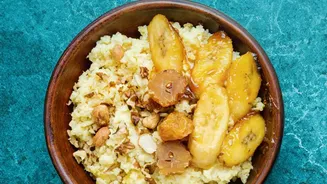
1. Millet Khichdi
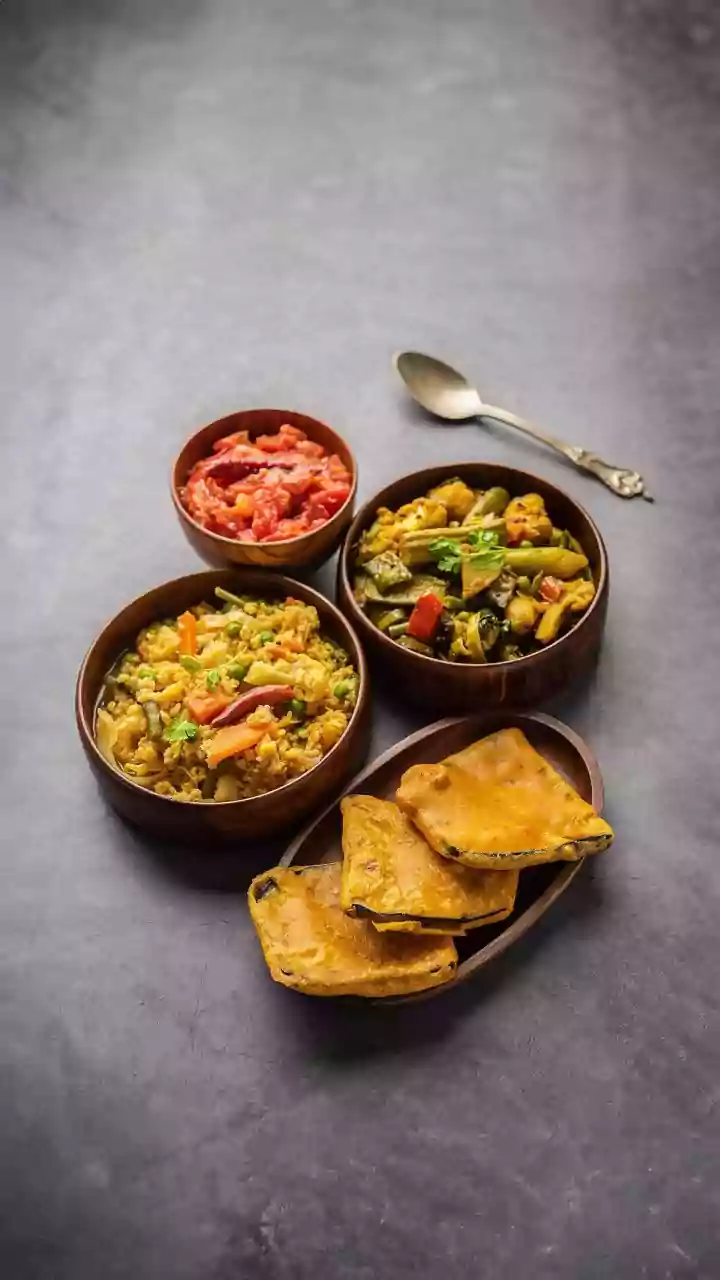
First on the new roster is the humble yet mighty millet khichdi. A one-pot comfort meal made from nutritious millets like jowar or bajra, combined with lentils and mild spices, it's a world away from a greasy plate of fried pakoras. Millets are gluten-free, rich in fibre, and have a low glycemic index, which helps in managing blood sugar levels. This makes millet khichdi an excellent choice for sustained energy through a long workday, unlike the quick, empty-calorie rush from fried snacks. It’s a return to ancestral grains that are perfectly suited for the Indian climate and palate, now getting the recognition they deserve on official menus.
2. Sprouts Curry (Usal)
Say goodbye to oily cutlets and hello to protein-packed sprouts curry, locally known as Usal. This traditional Maharashtrian dish, made from sprouted moth beans or mixed pulses, is a powerhouse of nutrients. The process of sprouting unlocks essential vitamins and minerals, making them easier for the body to absorb. Usal is typically prepared with a light, flavourful gravy using minimal oil, offering a satisfying and wholesome snack or light meal. It provides a significant dose of protein and fibre, keeping you full and focused, a stark contrast to the lethargy that often follows a heavy, fried snack. The government directive specifically encourages items like boiled pulses and sprouts curry for refreshments in meetings.
3. Jowar, Bajra, or Ragi Bhakri
Refined flour is out, and traditional flatbreads are in. The new menu prominently features bhakris made from millets like jowar (sorghum), bajra (pearl millet), and ragi (finger millet). These rustic, unleavened breads are a staple in rural Maharashtra and are incredibly nutritious. They are gluten-free, high in fibre, iron, and calcium. Paired with a simple vegetable preparation or a spoonful of dal, a bhakri is a complete and balanced meal. This move directly replaces items made from maida (refined white flour) and encourages the consumption of whole grains that have been a part of the local diet for centuries, promoting both health and agricultural heritage.
4. Vegetable Poha and Upma
Two of India's most beloved breakfast dishes, poha (flattened rice) and upma (semolina), are also on the approved list, with a healthy twist. The directive emphasizes vegetable-laden versions cooked with limited oil. These dishes are light on the stomach but provide complex carbohydrates for steady energy. Poha is a good source of iron and is easily digestible, while upma provides a quick but satisfying meal. By loading them with fresh, seasonal vegetables, their nutritional profile is significantly boosted. This makes them an ideal and sensible choice for morning meetings or a mid-day snack, easily replacing the high-fat, low-nutrient biscuits and fried items previously served.
5. Solkadhi and Buttermilk
The changes extend to beverages, too. Sugary, carbonated drinks and overly sweetened tea are being replaced by traditional coolers like solkadhi and buttermilk (chaas). Solkadhi, a beautiful pink-hued drink from the Konkan region, is made from coconut milk and kokum fruit. It's known for its digestive properties and is a refreshing coolant. Buttermilk is a classic probiotic drink that aids digestion and rehydrates the body. Both are served with minimal or no sugar, offering a palate-cleansing and health-boosting alternative to empty liquid calories. Other approved beverages include coconut water and lemon water with jaggery instead of sugar.