







The Rollercoaster in Your Grocery Cart
The feeling is familiar: the price of essential cooking ingredients seems to change with every shopping trip. Recent data highlights this volatility, with food inflation reaching 7.74% in September 2026. This surge is not uniform; while prices for items
like potatoes and tomatoes have sometimes decreased, others have skyrocketed. For instance, reports from October 2026 show dramatic year-on-year price increases for staples like onions, which saw a 108% rise, and garlic, up by over 54%. This instability is driven by a mix of factors, including erratic weather, rising fuel costs affecting transport, and global commodity price shifts. For the average household, this makes budgeting for festive feasts a significant challenge and a major source of financial anxiety.
Why Wholesale Is No Longer Just for Retailers
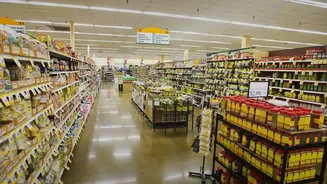
In response to tightening household budgets, a practical trend is gaining momentum: buying in bulk. Once the domain of small Kirana stores and restaurants, wholesale purchasing is now being adopted by everyday consumers. Modern retail formats, including large cash-and-carry stores and B2B e-commerce platforms that are increasingly open to individual buyers, have made this shift easier. This change is driven by a simple economic reality. With overall festive spending projected to decline as families contend with rising prices, shoppers are becoming more selective and value-conscious. The move to wholesale isn't about hoarding; it's a strategic decision to lock in prices, reduce the frequency of shopping trips, and gain a sense of control over household expenses in an uncertain economic climate.
The Tangible Benefits of Buying in Bulk
The most obvious advantage of wholesale shopping is cost savings, which can often range from 15-20% on staple goods. But the benefits extend beyond the final bill. Securing larger quantities of non-perishable items like rice, atta, lentils, sugar, and cooking oils ensures a well-stocked pantry ahead of the festive rush. This foresight helps families avoid last-minute panic buying, a time when prices for high-demand festive items like ghee and dry fruits can jump significantly. Furthermore, it simplifies the logistics of cooking for guests, ensuring that essential ingredients are on hand. Community buying, where neighbours or extended family members pool their resources to meet minimum purchase requirements, has also become a popular strategy to unlock wholesale prices without over-committing to large quantities.
A Smart Shopper's Guide to Wholesale
Venturing into wholesale requires a plan. First, create a detailed list of what you need, focusing on items with a long shelf life. Before you buy, assess your storage capacity. Buying a 20-litre drum of oil is only a good deal if you have a cool, dark place to store it properly. Second, always check the manufacturing and expiry dates. A low price is worthless if the product expires before you can use it. Third, focus on unit price. A larger pack isn't automatically cheaper; do the maths to confirm you are getting a better deal per kilogram or litre. Finally, be disciplined. Wholesale stores are designed to encourage large purchases, so stick to your list to avoid impulse buys that negate your savings.
The Pitfalls to Avoid
While smart, wholesale shopping is not without its risks. The biggest danger is waste, particularly with items that are perishable or have a shorter shelf life than you anticipate. Buying a huge bag of onions at a great price is a bad deal if half of them sprout before you can use them. Another pitfall is over-spending. The lure of a bargain can lead people to buy things they don't truly need, ultimately busting their budget instead of helping it. It is also important to resist buying processed snacks and ready-to-eat meals in bulk, as these often provide poor nutritional value and their consumption tends to increase simply because they are available in the house. Successful bulk buying is about stocking up on essentials, not on treats.