







The Lifeline of Indian Agriculture
The southwest monsoon is often called India's real finance minister, and for good reason. It delivers about 70% of the country's annual rainfall, which is critical for agriculture. Nearly half of India's farmland is rain-fed, meaning it lacks access to
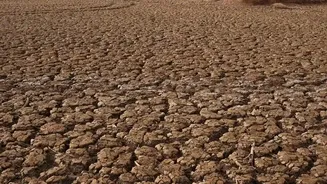
other forms of irrigation. The season is particularly vital for kharif (summer) crops, which are sown in June and July. A strong monsoon replenishes reservoirs and ensures adequate soil moisture, setting the stage for a healthy harvest. Conversely, a weak or erratic monsoon, marked by long dry spells, can disrupt sowing schedules and stunt crop growth, creating a domino effect that travels from the farm to the consumer.
From Fields to Food Prices
The connection between rainfall and your grocery bill is a straightforward chain of supply and demand. A weaker monsoon leads to lower crop yields. When the supply of essential commodities dwindles, their prices in wholesale markets (mandis) begin to climb. This increase is then passed down through the supply chain to retailers and, ultimately, to you, the consumer. The result is food inflation, where the cost of your everyday food basket rises. Recent data has already shown price pressures on several kitchen staples due to erratic weather patterns.
Which Groceries Are Most at Risk?
A deficient monsoon primarily affects kharif crops. This means staples that form the backbone of Indian diets are most vulnerable. Keep an eye on the prices of rice, pulses (like tur and moong dal), and oilseeds like soybean and groundnut. Vegetables, which are highly dependent on water availability and have a short shelf life, are also quick to reflect supply disruptions. Prices for items like onions, ginger, and garlic have already shown significant year-on-year increases due to complicated monsoon patterns. While India often maintains buffer stocks of key grains like rice and wheat, which can cushion against immediate shocks, a prolonged period of poor rainfall can strain these reserves and lead to broader price hikes.
The Broader Economic Ripple Effect
The impact of a poor monsoon extends beyond the kitchen. Rising food inflation can push up the overall Consumer Price Index (CPI), a key metric watched by the Reserve Bank of India (RBI). To control inflation, the central bank might be prompted to maintain higher interest rates, which can slow down economic growth. Furthermore, a weak agricultural season directly impacts rural incomes. Lower earnings for farmers and farm labourers lead to reduced spending in rural areas, affecting sales of everything from tractors and two-wheelers to everyday consumer goods. This can create a drag on the entire economy.
How to Manage Your Budget
While you can't control the weather, you can adopt smarter shopping strategies to mitigate the impact on your household budget. Focus on buying seasonal vegetables and fruits, which are generally more abundant and cheaper. Plan your meals for the week to reduce food waste and impulse purchases. Being flexible with your diet—for example, substituting a pulse that has become expensive with a cheaper alternative—can also help. In times of high inflation, some consumers shift to buying smaller pack sizes to manage cash flow, even if it means a higher cost per gram. Keeping an eye on prices and shopping from different vendors can also reveal better deals.