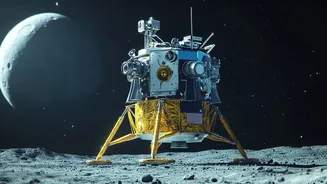








The Final Frontier: Low-Orbit Holidays
Once the exclusive domain of astronauts, space is quickly becoming the ultimate luxury destination. By 2027, short-duration suborbital flights are projected to be a burgeoning market, with companies like Blue Origin and Virgin Galactic moving past initial
test flights into more regular commercial service. The global space tourism market is estimated to reach nearly $2.5 billion in 2027. For those with a significant budget, this means the chance to experience weightlessness and see the Earth from a perspective few have witnessed. Looking further ahead, the world's first space hotel, Voyager Station, is even slated for a 2027 launch, promising luxury villas, restaurants, and simulated gravity for its guests.
Deep Dive: The Rise of Underwater Resorts
While space captures the imagination, another frontier is attracting intrepid travellers: the ocean floor. The concept of underwater hotels, long a sci-fi dream, is slowly becoming a reality. These resorts offer suites with panoramic acrylic walls, providing an immersive view of marine life. Projects like the Poseidon Undersea Resort in Fiji, though long in development, signal a persistent ambition to create exclusive underwater experiences. These destinations merge luxury with marine conservation, offering guests a unique connection to aquatic ecosystems. While still a niche and costly segment, the allure of sleeping beneath the waves is undeniable and represents a new wave of experiential travel.
Embrace the Unknown: AI-Powered Mystery Trips
For travellers tired of decision fatigue, a new trend is emerging where you relinquish control entirely. AI-powered mystery trips involve telling a service your budget, dates, and general interests, and letting an algorithm plan the entire holiday—destination included. The location is kept secret until just before departure, bringing back a sense of spontaneity and genuine surprise to travel. These services handle all the logistics, from flights to activities, ensuring a seamless experience. However, travellers should be cautious, as AI can sometimes 'hallucinate' and create itineraries for places that don't exist, making it crucial to use trusted platforms. While AI is increasingly used for travel inspiration, many still prefer a human touch for the final booking.
Purposeful Unplugging: Extreme Digital Detoxes
In a hyper-connected world, the ultimate luxury is fast becoming the freedom to disconnect. Digital detox retreats are evolving from a simple 'no-Wi-Fi' policy to curated experiences in extreme and remote locations. Think silent retreats in the Italian hills, off-grid cabins in dense forests, or remote lodges in the Atlas Mountains where connection is discouraged. These 'quietcations' are designed to combat sensory overload and digital fatigue. The goal is to trade screen time for genuine presence, allowing travellers to reconnect with themselves and the natural world without the constant distraction of notifications.
Beyond Sustainability: The Regenerative Journey
The conversation around ethical travel is shifting from simply sustaining an environment to actively improving it. Regenerative travel encourages holidaymakers to leave a destination better than they found it. This goes beyond 'do no harm' and involves participating in activities like reforestation projects, wildlife conservation, or supporting community-led initiatives. Forecasts for 2026-2027 show a rising demand for trips that offer a deeper connection to local communities and ecosystems. Travellers are increasingly willing to pay more for authentic experiences that have a clear positive impact, turning their holiday into a meaningful contribution to the place they visit.