

An Unlikely Hero
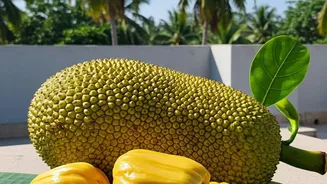
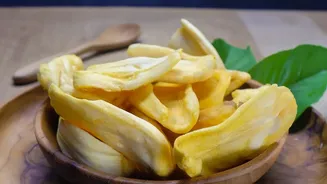
For many, jackfruit, or kathal, is known primarily as a meat substitute, prized for its fibrous texture that mimics pulled pork or lamb. It’s a versatile ingredient, certainly, appearing in curries, biryanis, and pickles across the country. Yet, it rarely
sheds its reputation as a stand-in for something else. It is delicious and dependable, but not often considered the crown jewel of a feast. However, the Parsi approach to cooking challenges this perception, elevating kathal from a mere substitute to a culinary masterpiece in its own right. This transformation isn't just about a recipe; it's about a philosophy that sees potential in the familiar, using time-honoured techniques to unlock extraordinary flavour.
The Parsi Flavour Philosophy
What makes Parsi food so distinctive is its masterful blend of sweet, sour, and spicy notes. This 'khatta-mitha' flavour profile, a legacy of its Persian roots and Gujarati influences, is the secret behind many of its most beloved dishes. Parsi cooking is not about heavy-handed spice; it’s about a delicate, layered balance. Ingredients like vinegar, jaggery, tamarind, and a unique garam masala are used to create a symphony of tastes. This same philosophy is applied to kathal. The vegetable isn't just cooked in a generic curry base; it is slowly coaxed into absorbing a complex blend of spices, aromatics, and tangy elements until it becomes something entirely new, showcasing the depth and nuance that defines Parsi cuisine.
The Spirit of the Club
The 'Parsi Club' of the headline evokes more than just a place; it represents a cultural institution. Parsi cafes and clubs in India have long been social hubs where traditions, conversations, and, most importantly, culinary heritage are fiercely preserved. These are the spaces where recipes have been passed down through generations, perfected over time. While a specific club might not be the sole originator of this dish, it represents the environment that fosters such culinary excellence. Today, chefs like Anahita Dhondy have championed this tradition, bringing dishes like a Parsi-style braised kathal to a wider audience through celebrated restaurants and cookbooks, ensuring the spirit of the club's kitchen continues to thrive.
Crafting the Centrepiece
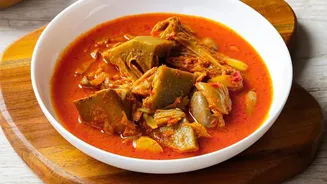
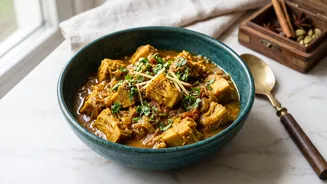
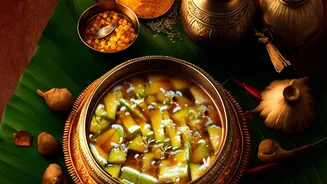
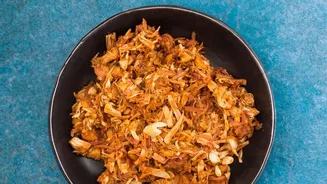
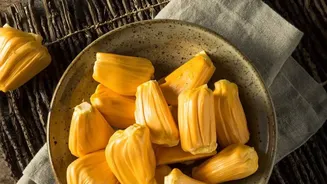
The secret to turning kathal into a showstopper lies in the technique, specifically slow-braising. The process, championed by modern Parsi chefs, begins with selecting young, tender jackfruit, which is less fibrous and absorbs flavour more readily. The foundation of the dish is a base of slowly caramelized onions, cooked down with ginger, garlic, and tomatoes until they form a rich, sweet paste. The jackfruit is then seared and simmered gently in this masala, along with a carefully guarded blend of Parsi spices like turmeric, red chili powder, and a signature garam masala. This slow cooking process, sometimes taking over an hour, allows the kathal to become incredibly tender while soaking up every bit of the fragrant, tangy, and savoury gravy.
Texture, Taste, and Presentation
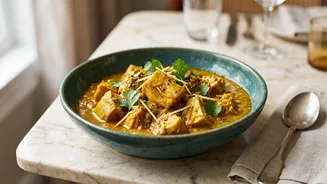
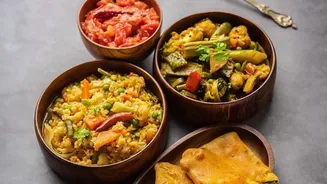
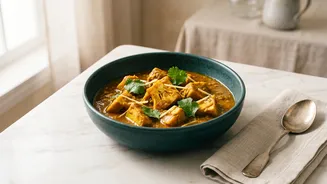
The final dish is a testament to the power of patience. The kathal is succulent and flavour-infused, falling apart at the touch of a fork, yet retaining enough texture to be satisfying. The gravy is thick, glossy, and clings to every piece. Its flavour is a complex journey—sweetness from the jaggery and onions, a gentle tang from vinegar or tomatoes, and a warm, aromatic spice finish. But the final flourish that truly makes it a Parsi classic is the garnish. A generous topping of 'salli'—thin, crispy fried potato straws—adds a delightful crunch that contrasts perfectly with the tender kathal. Finished with a sprinkle of fresh coriander, it’s a dish that engages all the senses and is beautiful enough to be the centrepiece of any dining table.