

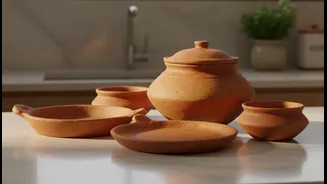
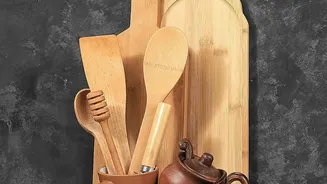
A Return to Health and Tradition
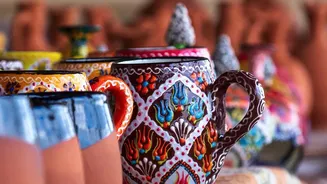
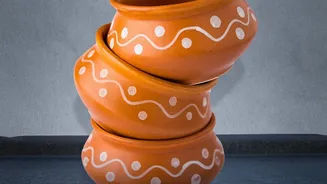
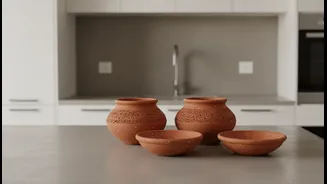
For generations, earthen pots were the cornerstone of Indian cooking, from setting curd to slow-cooking rich curries. While the convenience of steel and aluminium temporarily pushed them to the background, a growing awareness around health and sustainability
is bringing them back into the limelight. Urban home cooks, celebrity chefs, and wellness advocates are increasingly trading Teflon-coated pans for terracotta. The reasons are compelling: a desire for more authentic flavours, concerns about chemicals leaching from modern cookware, and a yearning to connect with more sustainable, traditional practices. This shift represents more than just a kitchen trend; it's part of a larger lifestyle movement towards mindful, natural living.
The Science of Superior Taste
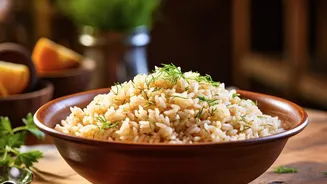
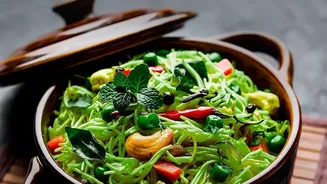
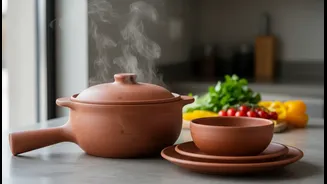
Anyone who has eaten biryani from a handi or dal cooked in an earthen pot will testify to its unique, earthy flavour. This isn't just nostalgia; it's science. Clay is porous, allowing heat and moisture to circulate evenly throughout the pot. This process of slow, gentle cooking helps retain the natural juices and nutrients of the food, resulting in dishes that are more tender and flavourful. Unlike metal pots that heat up quickly and can cause food to burn, clay pots cook food uniformly without needing excessive amounts of oil, making meals naturally healthier. The pot's ability to retain all the steam and vapour that evaporates during cooking is key to this enhanced taste and texture.
Unlocking Key Health Benefits
The health advantages of using earthen cookware are significant. One of the most cited benefits is that clay is naturally alkaline. This property helps to neutralize the pH balance of acidic foods, making them easier to digest and gentler on the body. Furthermore, unglazed clay pots are free from the synthetic chemicals like PFOA and PTFE often found in non-stick coatings, which can leach into food at high temperatures. Cooking in clay pots adds essential minerals like calcium, phosphorus, iron, and magnesium to the food, which are beneficial for health. The slow cooking process also preserves delicate vitamins and nutrients that can be destroyed by the high, direct heat of metal pans.
Embracing the Earthen Pot Lifestyle
Adopting clay pot cooking does require a slight shift in habits, but the rewards are well worth it. Before its first use, a new clay pot needs to be seasoned. This typically involves soaking it in water for several hours to fill its pores, which prevents cracking and helps in steaming the food later. When cooking, it's crucial to always start on a low flame and increase the heat gradually to avoid thermal shock. Cleaning is also different; harsh soaps should be avoided as the porous clay can absorb them. Instead, warm water, baking soda, and a soft scrub are recommended. After washing, the pot must be dried completely, preferably in the sun, to prevent mould.