






Why Temperature Is Everything
The secret to preserving your fruit is all about managing the ripening process, and temperature is the main control switch. Fruit ripening is a complex biochemical process, but a key factor is respiration. Just like us, fruits 'breathe', taking in oxygen
and releasing carbon dioxide. The warmer the temperature, the faster they respire. This increased metabolic rate accelerates the production of ethylene, a natural plant hormone that triggers ripening, softening, and eventually, spoilage. By keeping fruit cool, you significantly slow down these enzymatic reactions. For every degree the temperature drops, you can extend the storage life. This doesn't mean you need a refrigerator; even a few degrees cooler than the ambient air can dramatically slow the journey from perfectly ripe to disappointingly mushy.
Finding the 'Coldest Practical Part'
So where is this magical cold spot in your bag? It’s not about finding a freezer but rather a location that’s insulated from external heat and direct sunlight. If you’re packing a suitcase, the core is your best bet. Place your fruit in the center, cushioned on all sides by soft clothing. The layers of fabric act as insulation, protecting the fruit from the warmth of the car or the temperature fluctuations in a plane’s cargo hold. For a backpack or a tote bag, the principle is the same: aim for the center or the bottom, away from the sides that might be exposed to the sun. Avoid packing fruit in the outer pockets of a backpack, as these are most exposed to the elements. The goal is to create a stable, insulated environment that shields your snacks from rapid temperature changes.
Choose Your Travel Companions Wisely
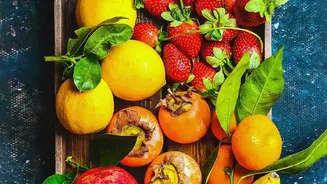
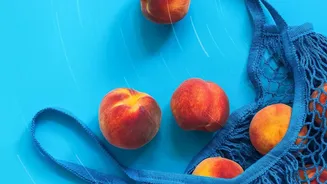
Not all fruits are created equal when it comes to travel. Some are naturally more durable and better suited for a journey. Hardier fruits with thick skins are excellent choices. Think of apples, clementines, and oranges, which have their own natural packaging. Unripe or green-tipped bananas also travel well, as they have some ripening left to do. On the other hand, delicate fruits with thin skins are far more susceptible to bruising and heat. Berries like strawberries and raspberries, as well as ripe peaches, plums, and soft pears, are best enjoyed close to home or packed with extreme care. Grapes can be a good option, but it's best to wash them and remove them from the stem just before eating to maintain their freshness.
Mastering the Art of Packing
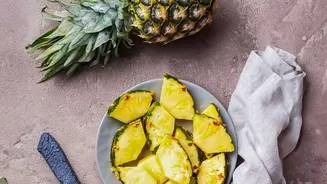
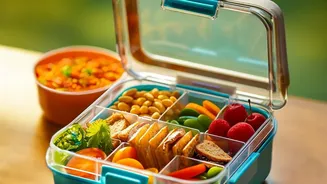
Beyond just location, a few extra packing techniques can ensure your fruit arrives in perfect condition. The number one rule is to prevent crushing. Hard-sided food storage containers are your best friends here. They provide a protective shell that prevents fruit from getting squashed by heavier items. If you don't have dedicated containers, repurposing empty plastic jars or tubs works just as well. For fruits like apples or pears, you can wrap them individually in a paper towel or even a sock to provide a soft cushion. If you are taking a longer road trip with a cooler, always pack the fruit on top of heavier drinks and containers. For an extra level of chill, you can even freeze grapes or pineapple chunks; they act as mini ice packs and are delicious as they thaw.
Common Mistakes to Avoid
A few common errors can quickly undo all your careful packing. The most frequent mistake is placing fruit in a flimsy, unsealed plastic bag and tossing it into a tote. This offers zero protection from bruising and traps ethylene gas, which can accelerate the ripening of nearby fruits. Another pitfall is pre-washing soft-skinned fruits like berries long before you plan to eat them. The excess moisture can encourage mould growth and make them go soft faster. Finally, always be mindful of weight distribution. Never place heavy items like books, shoes, or electronics on top of your fruit, even if it's in a container. A little awareness when packing can be the difference between a delicious, healthy snack and a sticky mess at the bottom of your bag.