




The Smart Switch to Seasonal
Let's be honest, the daily grind can often lead to a lunchbox rut. We fall back on the same few dishes, and soon, our midday meal becomes more of a chore than a pleasure. But what if the key to breaking this cycle was as simple as aligning your meals
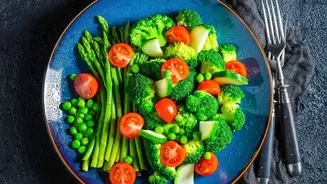
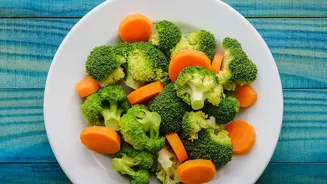
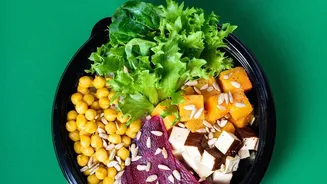
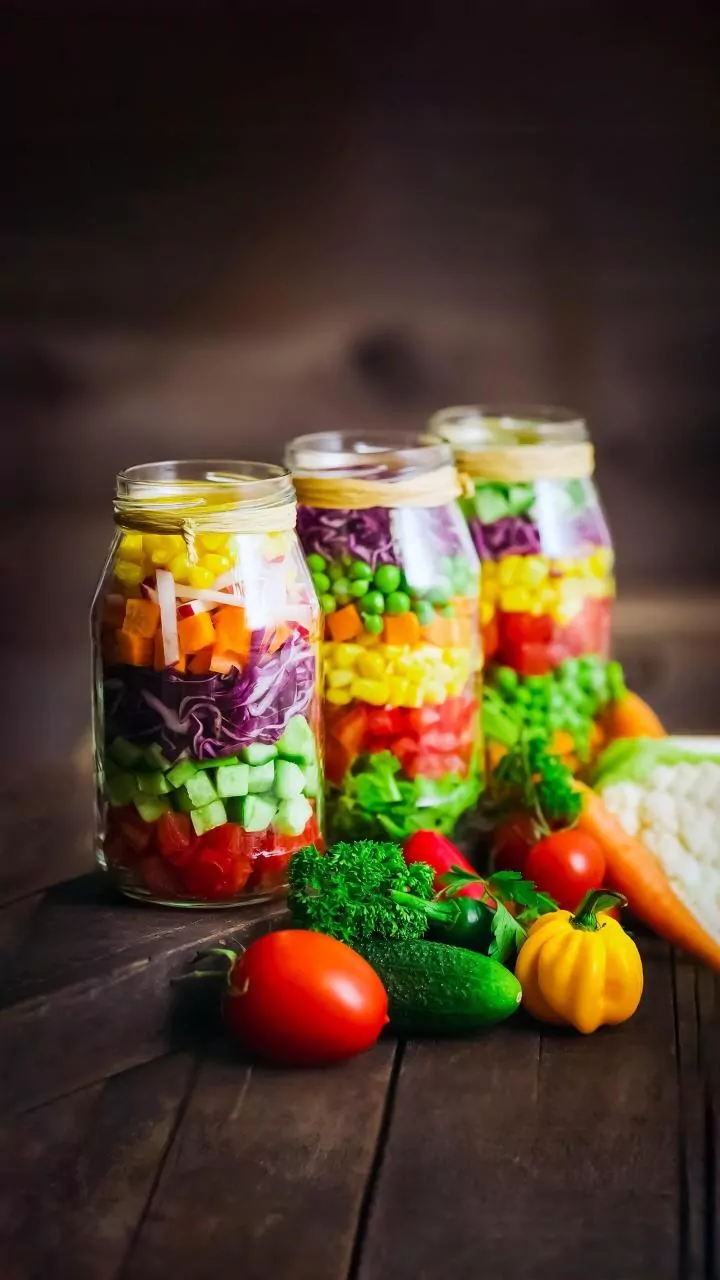
with the seasons? Eating seasonally is a tradition-backed approach that’s now making a smart comeback in our modern, fast-paced lives. It’s a simple philosophy: eat vegetables that are naturally harvested in the current season. This small shift does more than just add variety to your plate; it’s a powerful move for your health, your wallet, and your taste buds. When vegetables are in season, they are at their peak—fresher, more flavourful, and packed with the nutrients our bodies crave.
Healthier, Tastier, and Lighter on the Pocket
The benefits of eating seasonal produce are threefold. First, nutrition. Vegetables harvested at their peak and consumed shortly after retain more of their vitamins, minerals, and antioxidants compared to those transported over long distances and stored for weeks. This means that the bhindi or lauki you buy in the monsoon is likely more nutrient-dense. Second, the taste is simply better. In-season vegetables are fresher and have a more robust and authentic flavour. Finally, it’s a win for your budget. Basic economics dictates that when a vegetable is in abundant supply, its price naturally drops. Your local sabziwala will almost always have a better price on seasonal items compared to off-season produce that requires more resources to grow and transport.
Your Monsoon Dabba Lineup
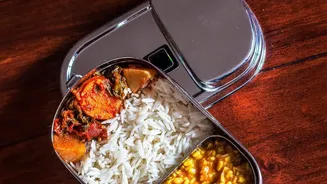
The monsoon season in India brings a bounty of wonderful vegetables perfect for your lunchbox. Here are a few ideas to get you started: Bhindi (Okra): A monsoon favourite, bhindi holds up well in a tiffin. A simple Bhindi Fry, slit and cooked with onions and light spices, is a quick and delicious option that won’t get soggy. Lauki (Bottle Gourd): Don't underestimate this humble gourd. Instead of a watery curry, try making Lauki Koftas (pan-fried instead of deep-fried for a healthier twist) in a light gravy or a dry Lauki ki Sabzi with chana dal for texture. Lauki is hydrating and easy to digest. Karela (Bitter Gourd): Known for its health benefits, karela is excellent during the monsoon. To make it lunchbox-friendly, try a stuffed karela or a simple, thinly sliced crispy fry with spices to balance the bitterness. Turai (Ridge Gourd): This is another fantastic monsoon vegetable. A simple Turai Chana Dal sabzi is a classic comfort food that packs well and provides a good mix of fibre and protein.
Mastering the Art of the Pack
A great lunchbox isn't just about the food; it's about how you pack it. To avoid a mushy mess by lunchtime, allow hot food to cool down completely before closing the lid. This prevents condensation from making your sabzi watery. Pack dry and wet items in separate compartments if your tiffin allows. A small container for raita or chutney can make a world of difference. Consider packing a wholewheat roti or paratha separately to assemble at your desk. For an extra health kick, add a side of sliced cucumber or a seasonal fruit like jamun or plums, which are also abundant during the monsoon. These small steps ensure your meal is as enjoyable to eat as it was to prepare.