




The Menalon Trail: Arcadia's Mythical Heart
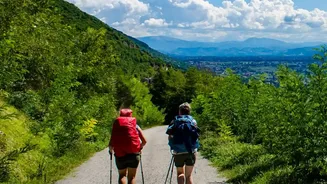
Deep in the Peloponnese, the land of the god Pan, the Menalon Trail offers a 75-kilometre journey through mythical landscapes. As the first trail in Greece to be certified by the European Ramblers Association, it guarantees a high-quality hiking experience.
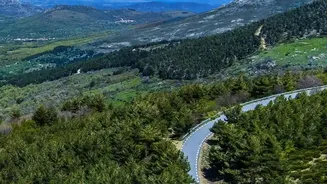
The path connects nine traditional stone villages, winding through the dramatic Lousios River gorge, fir forests, and tranquil valleys. This network of old mule tracks was the original link between communities. Along the way, hikers encounter history at every turn, from monasteries like Prodromos and Philosophou built directly into cliff faces, to old stone bridges and water mills that once powered the Greek Revolution. The trail is a living museum, offering a glimpse into a side of Greece that has remained unchanged for centuries.
The Ancient Pilgrim's Path: Delphi to Kirra
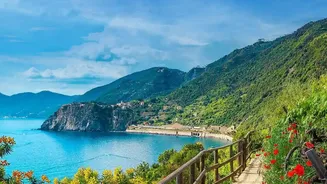
For centuries, pilgrims arriving by sea would walk from the ancient port of Kirra to the Oracle of Delphi, one of the most sacred sites in the ancient world. Today, you can retrace their steps on this historic 11-kilometre path, which is now part of the E4 European long-distance trail. The route descends gently from the slopes of Mount Parnassus, offering breathtaking panoramic views of the Corinthian Gulf and the vast Amfissa olive grove, a landscape so unique it is protected by UNESCO. While parts of the original path have been lost to time, you can still find remnants of ancient roads and stairs, feeling the weight of history with every step as you walk toward the sea, just as thousands did before you.
The Ursa Trail: Wild Beauty in the Pindus Mountains
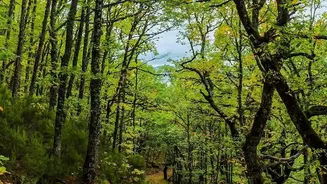
Named for the brown bears that roam this part of the Pindus Mountains in Epirus, the Ursa Trail is a 40-kilometre certified route for those seeking true wilderness. The path, whose name means 'Bear Trail', showcases the rugged beauty of northern Greece, weaving through dense forests of black pine and beech, and passing by alpine meadows. It is more than just a nature walk; it's a journey through the culture of the Vlach people and the region's modern history, with WWII trenches visible along certain ridges. The trail is a community-driven project focused on sustainability and connecting hikers with both the area's biodiversity and its unique cultural landmarks, such as stone bridges and Byzantine churches.
The Kalderimi of Andros: Cycladic Island Culture
While many Cycladic islands are known for their beaches, Andros stands out for its lush green landscapes and extensive network of historic footpaths. Known as 'kalderimi', these stone-paved mule tracks have connected the island's villages for centuries, some with routes dating back to ancient times. Thanks to dedicated local volunteers, over 160 kilometres of these paths have been restored and clearly marked, earning Andros the distinction of being the first island in Europe with a Leading Quality Trail certification. Hiking here means walking through terraced fields, past Venetian castles, monasteries, and hundreds of chapels, all while enjoying the authentic, less-touristed atmosphere of an island that has preserved its traditional character.
Crete's Samaria Gorge: A Journey Through a Natural Fortress
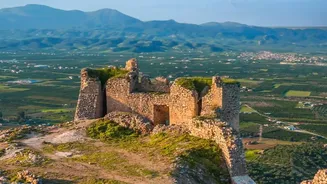
Though one of Greece's most famous hikes, the trek through the Samaria Gorge is an essential historical journey. Carved into the White Mountains of Crete, this 16-kilometre canyon is one of the longest in Europe. Its history is deeply tied to the Cretan spirit of resistance; for centuries, its dramatic cliffs and narrow passages served as a natural fortress and hideout for rebels during times of occupation. As you descend from the Xyloskalo plateau, you pass the abandoned village of Samaria and ancient Byzantine ruins, a testament to the gorge's long history of human habitation. The walk culminates at the 'Iron Gates', the gorge's narrowest point, before opening out to the Libyan Sea.