




The Foundation: A Simple Plate Formula
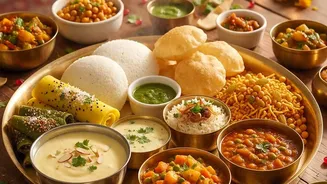
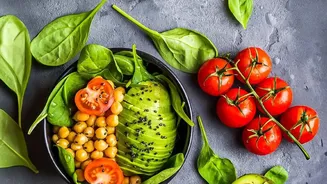
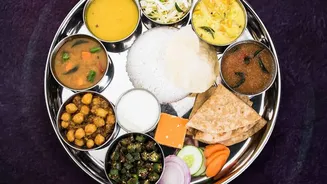
The key to a balanced Indian meal isn't about giving up favourites, but about portioning. Nutritionists often recommend a simple visual rule for your plate. Fill half of your plate with vegetables, a quarter with a protein source, and the final quarter with complex
carbohydrates. This 'half-quarter-quarter' method ensures you get a healthy mix of fibre, protein, and energy without needing to count calories. A small amount of healthy fat, like a spoonful of ghee, nuts, or a serving of curd, completes the picture. This framework is adaptable to almost any regional Indian thali.
Power Up with Pre-Cooked Proteins
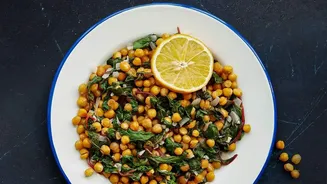
Protein is essential for muscle repair and keeping you full longer. Indian cuisine offers a wealth of protein sources that are perfect for meal prepping. You can cook a large batch of lentils or legumes at the start of the week. Staples like rajma (kidney beans), chana masala (chickpeas), and various dals (like toor or moong dal) store beautifully in the fridge and taste even better as the spices meld. For vegetarians, paneer or tofu can be pre-marinated and grilled or lightly sautéed. Boiled eggs are another quick and easy option to have on hand. These protein components form the anchor of your lunch plate.
Choose Your Complex Carbs
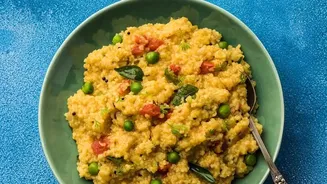
Carbohydrates provide the energy your body needs to function. The focus should be on complex carbohydrates, which are high in fibre and digest slowly, providing a steady release of energy. Instead of cooking rice daily, make a large batch of brown rice, quinoa, or millets like jowar and bajra. These can be stored in the refrigerator and quickly reheated. Whole wheat rotis or parathas can also be made in a batch, partially cooked, and stored. You can then quickly finish them on a tawa just before your meal. Choosing these whole grains over refined versions like white rice or maida helps keep you full and stabilises blood sugar levels.
Fill Half Your Plate with Vegetables
Vegetables should be the most abundant part of your lunch, filling half your plate with essential vitamins, minerals, and fibre. Meal prepping vegetables can be as simple as chopping them up ahead of time for a quick stir-fry or salad. You can also prepare versatile dry curries (sabzis) that last for several days. Dishes like a simple bhindi fry, aloo gobi (potato and cauliflower), or a mixed vegetable sabzi are excellent choices. Another great option is to have a simple kachumber salad (chopped cucumber, tomato, onion) ready to go. A bowl of raita with grated cucumber or boondi also adds a cooling element and a dose of probiotics.
Putting It All Together: Sample Lunch Plates
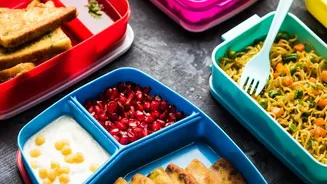
With your pre-cooked staples ready, assembling your lunch is a breeze. The possibilities are endless, but here are a few balanced combinations to get you started: Plate 1 (North Indian Style): A katori of pre-cooked rajma, a small portion of brown rice, a generous serving of aloo gobi sabzi, and a side of cucumber salad. Plate 2 (Quick & Simple): A portion of pre-grilled paneer tikka, a quinoa salad mixed with chopped vegetables, and a bowl of plain curd. Plate 3 (South Indian Inspired): A serving of lemon rice, a side of chickpea sundal (stir-fry), and a generous helping of a mixed vegetable poriyal (stir-fry).