

A Spotlight on the 'Sunrise State'
Industry leaders and tour operators recently gathered in Visakhapatnam for the 41st annual convention of the Indian Association of Tour Operators (IATO), placing Andhra Pradesh firmly in the national tourism spotlight. The event was more than just a conference;
it was a clear invitation from the state government to partner in developing what many believe is India's next major tourism success story. Kandula Durgesh, the state's Minister for Tourism, Culture, and Cinematography, urged the travel trade to look beyond the state's well-established spiritual circuits and help build new itineraries. The goal is to transform Andhra Pradesh from a "destination waiting to be discovered" into one the world actively seeks, enriching India's overall tourism offerings.
Beyond Temples and Pilgrimages
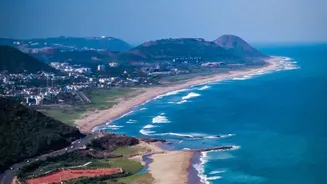
For years, Andhra Pradesh's tourism identity has been dominated by revered spiritual centers like Tirupati and Srisailam, drawing millions of pilgrims. While this remains a cornerstone, the new focus is on its diverse, untapped potential. The state boasts a stunning 800-kilometre coastline, lush hill stations, dense forests, and unique geological wonders that have remained largely outside the mainstream tourist map. The push is to develop new circuits around heritage, coastal, eco-tourism, adventure, and even culinary travel. This strategy aims to attract a wider demographic, including younger travellers, adventure seekers, and international tourists who may not know where Andhra Pradesh is on the map.
From the Grand Canyon of India to Misty Hills
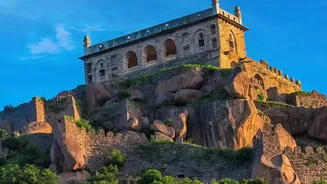
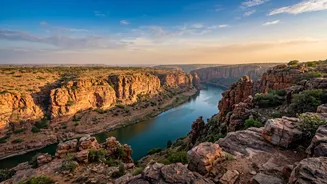
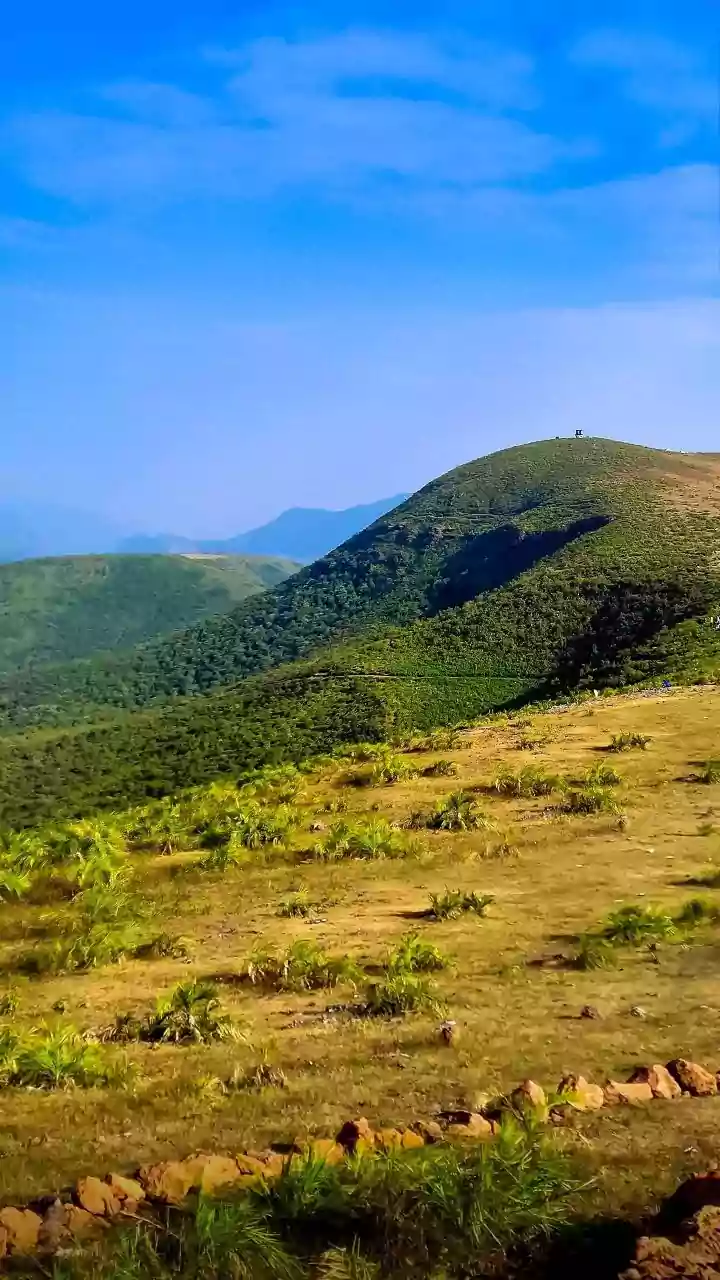
The 'untapped potential' isn't just a slogan; it refers to specific, breathtaking locations. Chief among them is Gandikota, a spectacular gorge on the Pennar River often called the "Grand Canyon of India". Its dramatic red cliffs and historic fort are prime for development as a world-class destination. Another key area is the Araku Valley, a beautiful hill station in the Eastern Ghats known for its coffee plantations, tribal culture, and scenic landscapes that rival more famous counterparts. Adding to the list are Lambasingi, dubbed the "Kashmir of Andhra Pradesh" for its misty climate; the Belum Caves, India's second-longest cave system; and the Coringa Wildlife Sanctuary, a vital mangrove ecosystem perfect for eco-tourism.
The Road Ahead: Infrastructure and Experience
Showcasing these gems requires more than just an invitation. The government is backing its ambitions with policy changes, including granting industry status to the tourism sector to encourage investment. Plans are underway to develop anchor hubs, including Visakhapatnam and Araku Valley, and improve infrastructure. This includes not just building hotels—with a target of 50,000 new rooms—but also ensuring better connectivity and creating immersive experiences. Initiatives like introducing water sports at Chirala, adventure activities at Gandikota, and promoting the unique Bamboo Chicken of Maredumilli are part of a strategy to build a tourism economy based on unique, memorable experiences rather than just sightseeing.