






Understanding Low-Impact Cardio
Low-impact cardio refers to any form of aerobic exercise that raises your heart rate while minimizing stress and shock on your joints. The core principle is simple: at least one of your feet remains on the ground or is supported at all times. This is a direct
contrast to high-impact activities like running, jumping jacks, or burpees, where both feet leave the ground simultaneously, creating a greater landing force on your ankles, knees, and hips. By focusing on smooth, controlled movements, low-impact exercise provides a sustainable way to achieve cardiovascular benefits without the risk of joint pain or injury, making it an excellent choice for beginners, older adults, or anyone seeking a gentler approach to fitness.
How It Strengthens Your Heart
Your heart is a muscle, and just like any other muscle, it gets stronger with exercise. Low-impact cardio effectively challenges your cardiovascular system to improve its efficiency. Regular sessions train your heart to pump more blood with each beat, a measure known as stroke volume. This increased efficiency means your heart doesn't have to work as hard during rest, often leading to a lower resting heart rate. Furthermore, this type of exercise boosts circulation, ensuring that oxygen-rich blood is delivered throughout your body more effectively. It also encourages blood vessels to become more flexible and can help lower blood pressure by spurring the production of nitric oxide, a molecule that relaxes and widens them.
The Efficiency of Consistency
The 'efficiency' of a workout isn't just about burning the most calories in the shortest time; it's also about sustainability. Low-impact cardio excels here because it carries a much lower risk of injury compared to high-impact alternatives. Fewer injuries mean less downtime and more consistent training. This consistency is the true key to long-term cardiovascular health. Because the movements are gentler on the body, you are more likely to stick with the routine, leading to greater cumulative benefits over time. You can often perform low-impact exercises for longer durations, which is excellent for building endurance and stamina.
Your No-Jump Cardio Blueprint
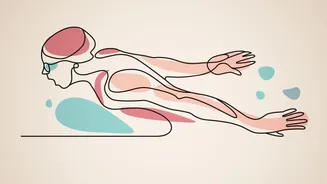
Getting started with low-impact cardio is simple, as many effective exercises require no special equipment. The goal is to choose activities you enjoy and perform them rhythmically to elevate your heart rate. Some of the best non-jumping options include: Brisk Walking: A powerful and accessible starting point that improves heart health and strengthens lower body muscles. Cycling: Whether outdoors or on a stationary bike, cycling is a classic low-impact choice that builds endurance. Swimming: The water's buoyancy supports your body weight, making this a full-body workout with zero impact on your joints. Elliptical and Rowing Machines: These gym machines are specifically designed to provide a smooth, joint-friendly cardio workout. Bodyweight Circuits: You can create a routine at home with moves like marching in place, side shuffles, step-touches, boxer squat punches, and standing oblique crunches. Performing these exercises in a circuit with minimal rest keeps your heart rate up.
Creating a Sustainable Routine
To reap the rewards of low-impact cardio, aim for at least 150 minutes of moderate-intensity activity per week, as recommended by the American Heart Association. This can be broken down into 30-minute sessions, five days a week. If you're new to exercise, start with shorter durations, perhaps 10-15 minutes, and gradually increase the time as your fitness improves. Always begin with a 5-minute warm-up of light movement to increase blood flow, and end with a cool-down involving gentle stretching. Most importantly, listen to your body. The goal is to feel invigorated, not exhausted or in pain. Choose activities you genuinely enjoy to ensure your fitness journey is a lasting one.