

The Science of a Softer Dough
The journey to a better Indian bread begins with the dough. For generations, the focus was on the simple combination of flour (atta), water, and salt. Today’s home cook, however, is playing the part of a food scientist. They are exploring different types
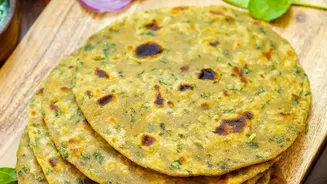
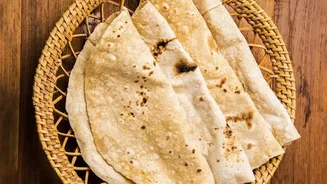
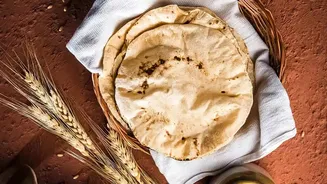
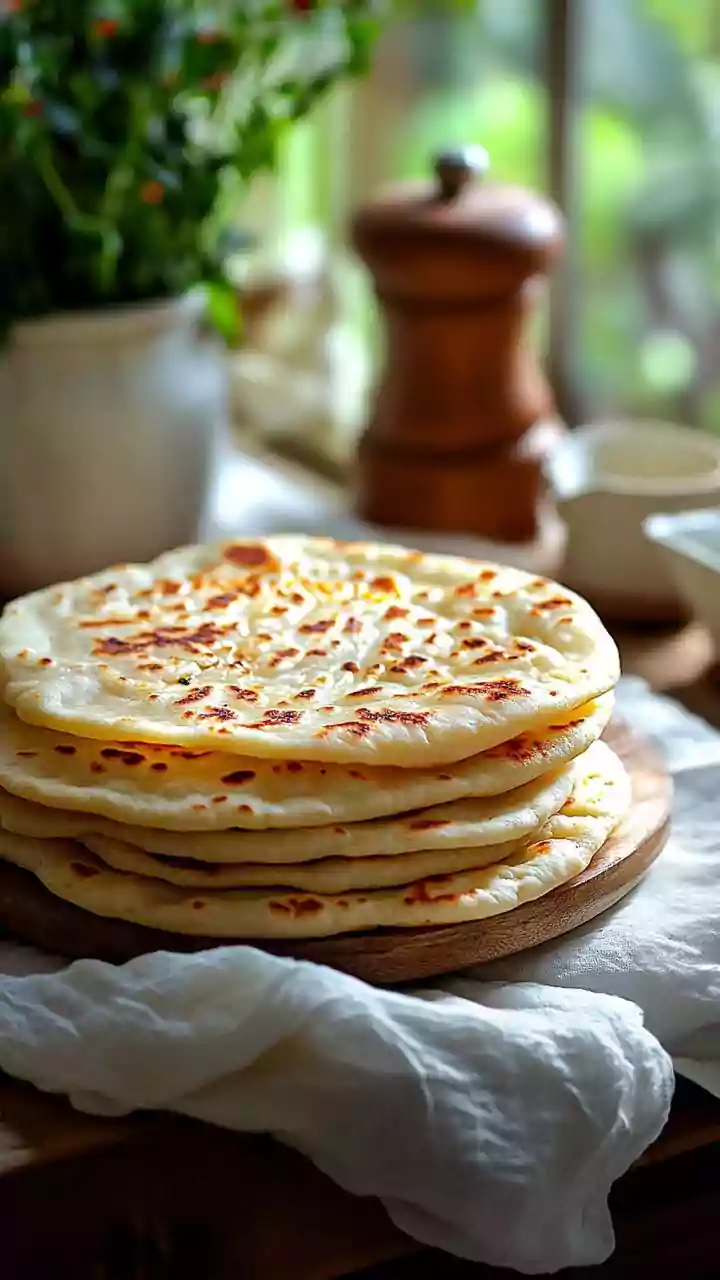
of flour, moving beyond basic whole wheat to experiment with bread flour for a chewier naan or blending millet flours for nutrition and flavour. A key concept being embraced is hydration. Instead of adding water until the dough 'feels right', cooks are measuring precisely, understanding that a higher water content, while trickier to handle, creates steam during cooking, resulting in a softer, more pliable roti or chapati. Another professional technique finding its way into home kitchens is the 'autolyse' method, where flour and water are mixed and left to rest before kneading. This simple pause allows the flour to fully absorb the water, making the dough more extensible and reducing kneading time.
The Magic of Slow Fermentation
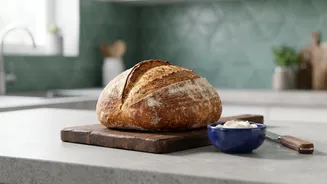
Perhaps the most significant shift is the embrace of fermentation, not as an accident of time, but as a deliberate tool for flavour. While breads like naan have always used leavening agents like yeast, home cooks are now adopting slow fermentation methods. The global sourdough craze has officially entered the Indian kitchen, with bakers nurturing starters to create sourdough naan. This method produces a bread with a delightful tangy complexity and a wonderfully chewy interior. The benefits go beyond taste; the long, slow fermentation process breaks down phytic acid in the flour, making the bread easier to digest and increasing the bioavailability of its nutrients. Even for a simple roti, letting the dough rest overnight at room temperature allows wild yeasts and bacteria in the flour to work their magic, developing a deeper flavour and a more tender texture that a quickly made dough cannot match.
Mastering the Tandoor Effect at Home
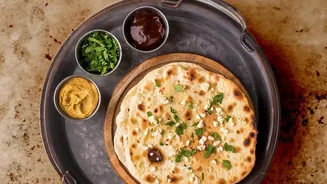
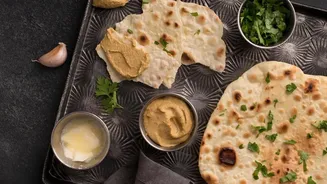
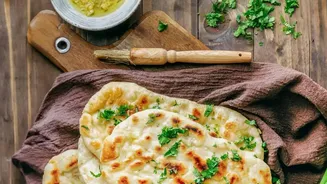
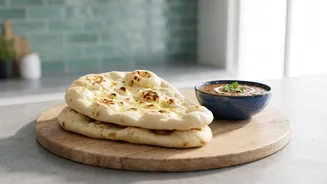
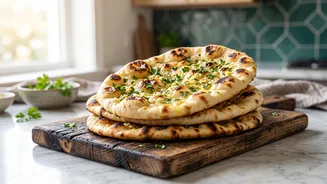
The smoky char and pillowy puff of a restaurant-style naan come from the intense, radiant heat of a tandoor, a clay oven that’s impractical for most homes. This has not stopped determined home cooks. Creative solutions are now common for replicating this high-heat environment. Cast-iron skillets or tawas are being preheated to scorching temperatures to achieve a rapid bake and characteristic brown spots. Another popular method involves placing a pizza stone or an inverted baking sheet in the oven and preheating it to the highest possible temperature, effectively turning a domestic oven into a makeshift tandoor. Some even cook the naan on a skillet until bubbles form, then use tongs to carefully toast the other side directly over a gas flame to get those authentic charred blisters. These techniques are all about maximising heat transfer to cook the bread quickly, trapping steam inside to create that coveted puff.
Why This, Why Now?
This movement isn't happening in a vacuum. The internet has given home cooks access to a world of culinary knowledge, from food science blogs to detailed video tutorials from chefs. There is a growing appreciation for artisanal, from-scratch cooking, driven by a desire for healthier, more flavourful food without preservatives. The modern home cook is no longer just a follower of recipes; they are an active participant in the creation of their food. By understanding the 'why' behind the 'how'—why dough needs to rest, how fermentation builds flavour, and why high heat is crucial—they are reclaiming the craft of bread-making. It’s a trend that blends a deep respect for traditional Indian breads with a modern, inquisitive spirit, turning everyday meals into a delicious science experiment.