





The Promise of Digital Convenience
In urban India, the rise of online food delivery and quick-commerce apps has been transformative. Platforms like Swiggy, Zomato, and Blinkit offer unprecedented convenience, turning the chore of grocery shopping or meal planning into a seamless digital
transaction. The appeal is obvious: access to a wide variety of cuisines and products, delivered in minutes or hours, without leaving home. This digital marketplace promises to democratize food access, bringing an endless aisle of choices to the consumer's fingertips. For busy working adults in metropolitan areas, these services have become an integral part of daily life, offering a solution to time-crunched schedules. The market reflects this shift, with projections showing India's online food delivery sector growing exponentially.
The Reality of the Digital Divide
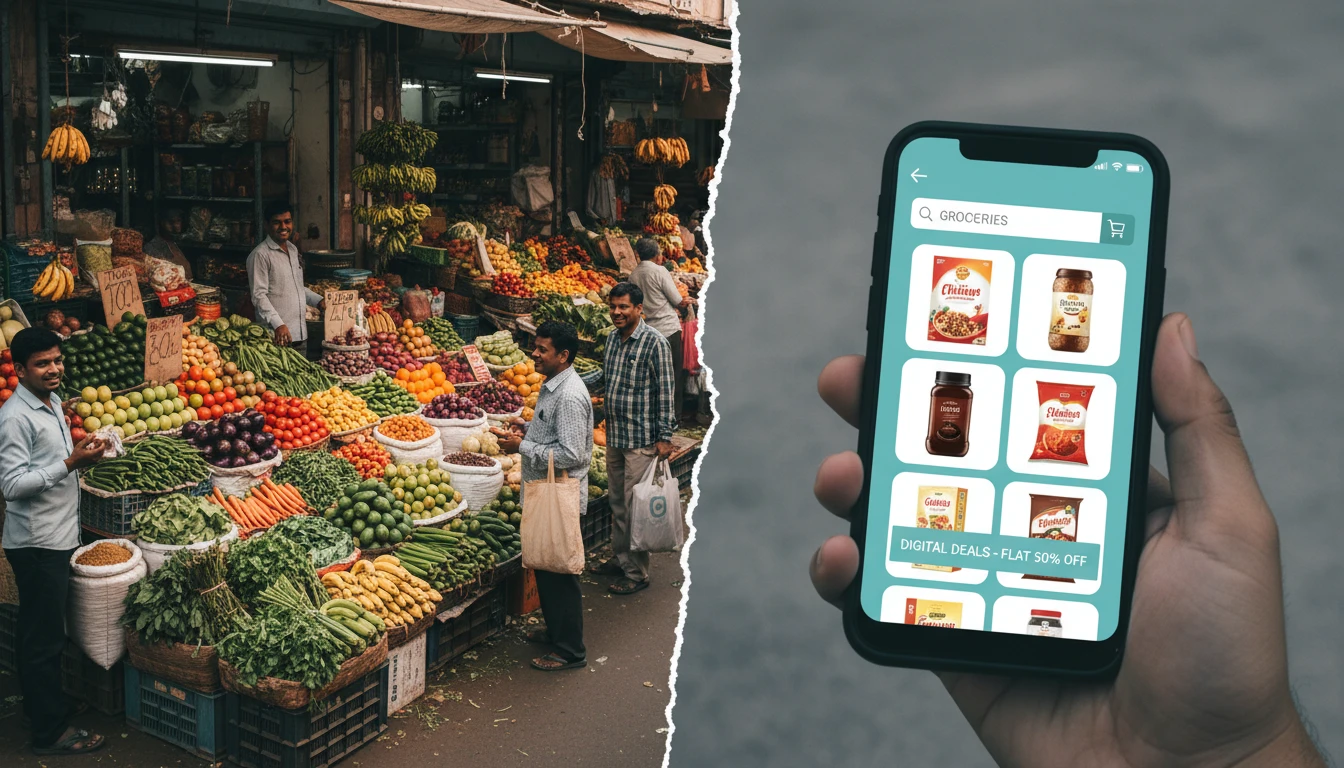
However, this digital utopia is far from universal. The convenience enjoyed in a Tier-1 city is a distant reality for a vast portion of the country. India grapples with a significant digital divide, particularly between its urban and rural populations. According to a 2022 Oxfam report, internet use in rural areas stands at just 31%, compared to 67% in urban centers. This disparity is not just about connectivity but also about digital literacy and affordability. Many in rural and low-income communities lack the smartphones, consistent data access, or the skills needed to navigate these platforms, effectively excluding them from the digital food ecosystem. For millions, the primary source of food remains the local physical market, not an app.
What is a 'Food Environment'?
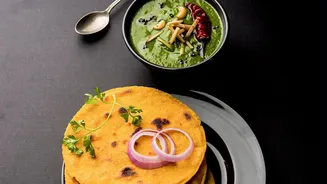
This is where the concept of a 'food environment' becomes crucial. A food environment is everything that shapes our dietary choices: the physical availability of food, its affordability, and its convenience and desirability. It’s the local kirana store, the weekly vegetable mandi, street vendors, and government ration shops. These traditional systems are the bedrock of food security for a majority of Indians. They offer affordability and access to fresh, local produce that online platforms, with their delivery fees and minimum order values, often cannot match. Research shows that these local food systems are vital for dietary diversity and nutritional outcomes, especially in rural areas. Simply having an app on a phone means little if the food it offers is too expensive or if the physical infrastructure for delivery doesn't exist.
The Nutritional Trade-Off
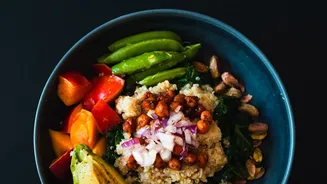
Furthermore, the rise of digital food access comes with a significant nutritional trade-off. Studies increasingly show a link between the frequent use of food delivery apps and poorer dietary habits. Convenience often leads to consumption of high-calorie, ultra-processed foods and sugary drinks. A 2025 study of working adults in Ahmedabad found that fast food was the most ordered category (84.7%) and that increased app use was linked to lower dietary quality. While many users search for healthy options, they often struggle to find them on platforms designed to maximize cravings and impulse buys. In contrast, traditional Indian food culture, built around local, seasonal ingredients, offers a foundation for healthier, more sustainable eating habits.
A Hybrid Path Forward
The solution is not to reject technology, but to integrate it smartly. Digital tools hold immense potential to strengthen, not replace, local food environments. Technology can be used to improve agricultural supply chains, reduce post-harvest losses, and connect farmers more directly to consumers, ensuring fairer prices and better quality. Initiatives like the government's e-NAM platform, which connects agricultural mandis digitally, are a step in this direction. The future of food security in India lies in a hybrid model where technology empowers local producers and vendors, making fresh, affordable, and nutritious food more accessible to everyone, regardless of their digital fluency or location.