





Recognising a Potential Fracture
It can sometimes be difficult to distinguish between a fracture and a severe sprain, but there are several key indicators to watch for. Suspect a fracture if the person experiences severe pain, especially pain that is sharp, localised, and worsens with
movement or pressure. Visually inspect the area for obvious deformities, such as a limb appearing bent at an unnatural angle, twisted, or shortened. Swelling and bruising often occur rapidly around the injury site. The person might have difficulty moving the limb or be completely unable to put weight on it. In some cases, a snapping or grinding sound might be heard or felt at the moment of injury. Any bone visibly piercing the skin, known as an open fracture, is a clear and serious sign.
Your Immediate First Steps
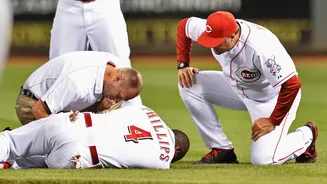
Before doing anything, ensure the scene is safe for both you and the injured person. Your first priority is to prevent further injury. Advise the person to stay as still as possible and not to move the injured area. The goal of first aid is not to fix the bone, but to stabilise the injury and prevent it from getting worse while you await medical help. Reassure the person to keep them calm, as pain and fear can lead to panic and unnecessary movement. If there is any bleeding, especially with an open fracture, control it by applying firm pressure to the wound with a clean cloth or sterile bandage. Do not press directly on a protruding bone; instead, apply pressure around it.
How to Support the Injured Area
The key principle is to immobilise the limb in the position you found it. Never try to straighten a bent limb or push a bone back into place. You can support the injury with your hands or use rolled-up clothing, towels, or cushions placed on either side of the limb to keep it steady. If medical help is delayed or you must move the person, you can apply a makeshift splint. Use something rigid, like a rolled-up magazine or a piece of wood, ensuring it is padded. The splint should extend beyond the joints above and below the suspected break. Secure it with bandages or strips of cloth, tied above and below the injury, but never directly over it.
Managing Pain, Swelling, and Shock
To help manage pain and limit swelling, apply a cold pack or a bag of frozen vegetables wrapped in a towel to the area. Never apply ice directly to the skin. Keep the cold pack on for about 15-20 minutes at a time. If it can be done without causing more pain or moving the fracture site, elevate the injured limb above the level of the heart to help reduce swelling. Also, watch for signs of shock, which can include the person feeling faint, looking pale, or breathing in short, rapid breaths. If you suspect shock, have the person lie down, with their head slightly lower than their body if possible, and cover them with a blanket to keep them warm.
Critical Mistakes to Avoid
Knowing what not to do is just as important as knowing what to do. The two biggest mistakes that can cause further damage are moving the person unnecessarily and trying to straighten the injured limb. Do not give the person anything to eat or drink, as they may require an anaesthetic at the hospital. Avoid massaging the injured area, which can increase damage. Don't remove clothing or shoes by pulling them off; instead, cut the fabric away if you need to see the injury. Finally, do not test the injury by asking the person to move it or bear weight on it to see if it's broken.
When to Call for an Ambulance
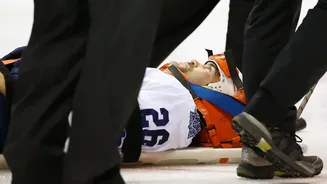
Immediate emergency help is critical in certain situations. Call for an ambulance if you suspect a fracture in the head, neck, back, hip, or pelvis. An open fracture, where bone is sticking through the skin, is always a medical emergency. Other urgent signs include heavy bleeding, obvious and severe deformity, or if the person is unresponsive or has lost consciousness. Numbness, tingling, or a pale or bluish colour in the extremity (like fingers or toes) indicates a potential loss of circulation and also requires immediate emergency care. For a suspected arm injury where the person is stable, it may be possible to transport them to the hospital by car, but for a leg injury, it's safer to wait for an ambulance.