







The Old 'Earn and Burn' Mentality
For years, the narrative around festive fitness has been one of extremes. It’s a mindset of “earning” your treats through pre-meal workouts and “burning” them off with punishing sessions afterwards. This all-or-nothing approach treats food as the enemy
and exercise as the consequence. It creates a stressful cycle where indulgence is followed by an obligation to perform intense cardio or high-intensity interval training (HIIT), often on a very full stomach. This perspective not only sours the joy of celebratory meals but also sets up an unhealthy relationship with both food and physical activity, turning them into sources of anxiety rather than nourishment and pleasure.
Why Intense Post-Meal Workouts Backfire
Jumping into a strenuous workout right after a large meal can do more harm than good. When you eat, your body directs blood flow to your digestive system to process the food. Intense exercise forces a competition for blood flow, diverting it to your working muscles. This can lead to a host of uncomfortable issues, including cramps, bloating, nausea, and acid reflux. Pushing your body this way not only feels awful but can also impair your workout performance and slow down digestion. Beyond the physical discomfort, this approach is mentally draining. It reinforces the idea that you must punish your body for enjoying food, which can lead to burnout and make it harder to maintain a consistent fitness routine in the long run.
The Rise of Sustainable Festive Fitness
A more balanced and effective philosophy is taking root: sustainable fitness. Instead of seeing the festive period as a time to let go completely only to restart in January, this approach focuses on maintaining momentum with gentle, enjoyable activities. The goal is to bridge the gap between doing something and doing nothing. Sustainable exercise isn't about hitting personal bests; it’s about incorporating consistent, low-impact movement into your daily routine. This could be a post-dinner family walk, a morning stretch session, or dancing to your favourite music. The focus shifts from intensity to consistency, and from punishment to self-care.
Gentle Movement, Big Benefits
The benefits of light exercise after a meal are significant. A gentle walk helps stabilise blood sugar levels by encouraging muscles to absorb glucose from the bloodstream, preventing the sharp spikes and crashes that can follow a rich meal. Studies show that even a two-to-five-minute walk can make a difference. This type of movement also aids digestion by gently stimulating the gastrointestinal tract, which can help reduce feelings of bloating and discomfort. Furthermore, it supports mental well-being. A calming walk can reduce stress, improve mood, and provide a welcome break from the hustle and bustle of festive gatherings.
Simple Ways to Stay Active
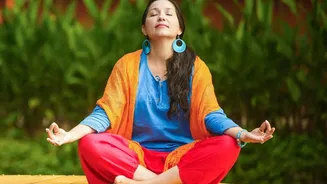
Integrating sustainable movement into your festive schedule doesn't require a gym or a rigid plan. The key is to find activities you genuinely enjoy. Suggest a family walk to look at neighbourhood decorations. Put on some music after dinner and have an impromptu dance party. If you’re feeling tight from travel or sitting, take 10 minutes for some gentle stretching or yoga. Even simple things like parking further away at the shops or taking the stairs add up. The aim is to make movement a natural and enjoyable part of your celebrations, not another chore on your to-do list.