







The Fading Weekly Ritual
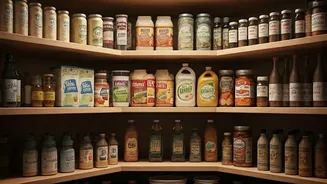
Not long ago, the weekend often involved a major expedition to the supermarket or local market, armed with a long list to stock up for the week ahead. This was a cornerstone of household management. Today, that picture is changing dramatically. Urban
consumers, in particular, are moving away from bulk, planned monthly or weekly purchases toward frequent, small-ticket transactions based on immediate needs. This isn't just a minor tweak in habits; it's a fundamental reordering of our relationship with shopping, driven by deep shifts in our lifestyles and the technology at our fingertips. The traditional, large-basket shop is giving way to a new model defined by immediacy and ease.
Time Is The New Currency
The primary driver behind this monumental shift is the increasing value we place on time. With rapid urbanisation, hectic work schedules, and the rise of dual-income families, free time has become the ultimate luxury. Consumers are fundamentally seeking to accomplish tasks in the shortest time with the least amount of human energy. The idea of spending a significant chunk of a precious weekend navigating crowded aisles, comparing prices, and waiting in checkout lines has lost its appeal. Instead, people are 'time-buying'—investing in services that reduce the time and effort spent on chores like shopping. Today, consumers value convenience and time saved over the few rupees they might save with a bulk purchase.
The Quick Commerce Revolution
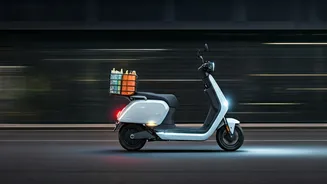
This trend has been massively accelerated by the meteoric rise of quick commerce (q-commerce). Platforms like Zepto, Blinkit, and Swiggy Instamart have revolutionised urban retail by promising delivery of groceries and essentials within minutes, not hours or days. This model, which emphasizes speed and hyper-local convenience, has cemented a new normal. The COVID-19 pandemic acted as a huge catalyst, pushing consumers who were wary of store visits to try online grocery shopping. This has now evolved into an expectation of instant gratification. Q-commerce has grown from a niche experiment into a major retail channel, with projections showing it will continue to grow exponentially, fueled by smartphone penetration and seamless digital payments.
The Psychology of 'Top-Up' Shopping
Beyond saving time, the shift to smaller, more frequent shopping trips also has a psychological benefit: it reduces decision fatigue. A long shopping list for a week's worth of meals requires significant mental energy and planning. In contrast, buying what you need for the next day or two is a much simpler, less mentally taxing task. Our brains are wired to seek the path of least resistance, and the convenience of ordering on-demand provides an immediate reward, reinforcing the behaviour. This has led to a rise in need-based and even impulse buying. Instead of a planned mission, shopping becomes a series of small, manageable micro-transactions integrated into the flow of daily life.
A New Retail Landscape
This consumer-led revolution is forcing the entire retail ecosystem to adapt. While q-commerce platforms are seeing explosive growth, they are also impacting traditional retailers. Some studies show that a significant percentage of offline grocery stores have seen a decline in sales volumes, which they attribute to the rise of dark stores and instant delivery services. In response, many larger retailers are developing their own multi-channel strategies, blending in-store experiences with online ordering and quick delivery options. Even local kirana stores, the backbone of Indian retail, are adapting. This isn't the death of the grocery store, but rather a reinvention, creating a hybrid model where physical and digital shopping coexist to meet the modern consumer's demand for ultimate convenience.