





The Golden Age of the Daily Soap
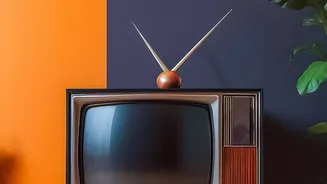
For decades, the Indian living room was dominated by the daily soap opera. These weren't just TV shows; they were a cultural phenomenon. Entire households, from grandparents to grandchildren, would convene to watch the sprawling narratives of iconic joint
families. The plots, often revolving around domestic drama, marital alliances, and saas-bahu dynamics, provided a shared experience and a common language. These shows, running for thousands of episodes, became a consistent, predictable part of daily life, creating a powerful sense of routine and collective viewing. The business model was simple and brutally effective: low production costs and high-volume, advertisement-friendly content that kept a massive, loyal audience tuning in night after night.
The Digital Disruption Arrives
The shift began not with a trickle, but a flood. The proliferation of affordable smartphones and, crucially, the rock-bottom data prices ushered in by telecom players, created a perfect storm. Suddenly, the internet wasn't a luxury; it was accessible to hundreds of millions. This technological shift laid the groundwork for Over-The-Top (OTT) streaming platforms like Netflix, Amazon Prime Video, and homegrown giants like Disney+ Hotstar, SonyLIV, and ZEE5 to enter the arena. They offered something radically different: on-demand entertainment. Viewers were no longer beholden to a network's fixed schedule. The power to choose what, when, and where to watch was now in the hands of the consumer.
A New Kind of Storytelling
Web originals offered a stark contrast to the formulaic nature of daily soaps. Where TV serials were designed to run indefinitely, often stretching plots to their breaking point, web series championed finite, fast-paced storytelling. With shorter seasons and a clear beginning, middle, and end, they catered to a generation with a shorter attention span, accustomed to the quick gratification of social media. Moreover, free from the constraints of broadcast censorship, creators of web originals could explore more mature, edgy, and realistic themes. From gritty crime thrillers and complex character studies to slice-of-life comedies, these shows presented a diversity of content that daily soaps couldn't match, appealing to specific tastes within the same family.
The New Family Prime Time
The idea of 'family viewing' has been redefined. The single screen that once united everyone has been replaced by multiple screens, with different family members often watching their own shows in the same room. However, a new trend is emerging: co-viewing on smart TVs. As OTT platforms saturate urban markets, they are increasingly targeting the wider family audience with more inclusive content. Shows like 'Gullak' and 'Very Parivarik' have found success by focusing on relatable, modern family dynamics, creating a new kind of appointment viewing that bridges generational divides. This isn't a return to the old ways, but an evolution. The family now curates its own prime time, mixing and matching shows that appeal to a broader, more modern sensibility.
A Diversified Entertainment Diet
It would be a mistake to declare the daily soap dead. Television still commands a massive audience, especially outside of metropolitan centres, and for many, it remains the primary source of entertainment. What has happened is not a wholesale replacement but a diversification. Many households now operate in a hybrid mode, consuming both linear TV and on-demand streaming. For the first time, investment in streaming content has overtaken that for television, signalling a major shift in the industry's focus. The Indian family's entertainment plate is now fuller and more varied than ever before, with both the familiar comfort of daily soaps and the exciting novelty of web originals available at the click of a button.