







Beyond a Simple Chatbot
For months, generative AI has been seen as a powerful but separate tool—a place to draft text, brainstorm ideas, or create standalone images. The next major evolution is integration. Rather than a single product named the 'Gemini Creativity Connector,'
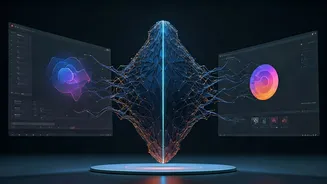
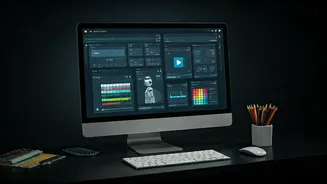
the term represents a new capability: connecting Gemini's powerful, multimodal AI directly into professional-grade creative workflows. The most significant example of this is a recently announced partnership between Google and Adobe. This integration will embed Adobe's suite of creative tools, including Firefly, Photoshop, and Premiere, directly within the Gemini interface. This isn't just about making AI do more; it's about making professional tools more accessible and faster to use.
From a Prompt to a Polished Asset
So how does this work in practice? Instead of juggling multiple applications, a user can remain within the Gemini chat environment. A marketing manager could, for instance, describe a new campaign concept in plain language. From there, they can ask the integrated Adobe agent to generate a series of polished product mockups, create social media assets in various formats, or even produce video variations. The system works by using Adobe's 'creative agent,' an AI-powered engine that interprets the user's request, selects the appropriate professional tools for the job, and orchestrates the entire workflow behind the scenes. The user stays in control of the creative vision, approving steps along the way, while the agent handles the technical execution.
A New Workflow for Creative Teams
This shift has profound implications for content teams. The primary benefit is a dramatic acceleration of the production process. Repetitive tasks that once consumed hours—like resizing images for different platforms or creating simple video edits—can be automated with a single command. This frees up designers and marketers to focus on higher-level strategy and creative ideation. Furthermore, it lowers the barrier to entry for creating high-quality content. An entrepreneur or a small business owner without a deep knowledge of Adobe's complex software can now generate professional-looking assets, leveling the playing field. This integration of brainstorming and production means the time from initial concept to a shareable asset could shrink from days to minutes.
The Bigger Picture: From Tool Master to Creative Director
This new model represents a fundamental change in the nature of creative work. For decades, professional value was tied to mastering complex tools like Photoshop or Premiere Pro. While that expertise will remain important for high-end, nuanced work, this new paradigm elevates the importance of creative direction. The most valuable skill may no longer be knowing which filter to apply, but rather how to articulate a clear and compelling vision to an AI agent. This allows creative professionals to operate at a more strategic level, managing and guiding automated systems to produce a wider variety of content more efficiently than ever before. This collaboration is part of Adobe's broader strategy to bring its tools to the platforms where people are already working.