





Tyres: Your First Line of Defence
Your tyres are the single most critical point of contact between your car and the slick, wet asphalt. Worn-out tyres are a primary cause of skidding on wet surfaces, as they cannot effectively channel water away and lose their grip. Before the season
begins, inspect the tread depth; if it's insufficient, replacement is essential. Experts often recommend a minimum tread depth of 2-3 mm for safe monsoon driving. Also, ensure you maintain the correct tyre pressure, as both under-inflated and over-inflated tyres can be dangerous. A well-maintained spare tyre with adequate air pressure is just as crucial for emergencies.
Brakes: The Ultimate Safety Net
A vehicle's braking efficiency can be significantly reduced on wet roads, with stopping distances sometimes increasing two to three times compared to dry conditions. It is vital to have your braking system, including brake pads, discs, and brake fluid, inspected by a professional. Old brake fluid can absorb moisture, reducing its effectiveness precisely when you need it most. If you notice any unusual noises, vibrations, or a spongy feeling when you press the pedal, get the brakes checked immediately. After driving through a waterlogged area, gently tap your brakes intermittently to help dry them out.
Visibility: See and Be Seen
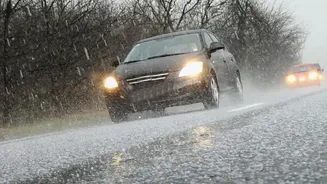
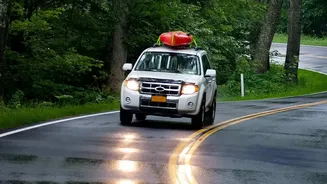
Clear vision is paramount during a downpour. Indian summers can cause wiper blades to harden and crack, leading to streaks and smears that obstruct your view. Replace worn-out wiper blades before the first rain, not during it. Top up your windshield washer fluid, using a proper cleaning solution rather than just tap water to prevent nozzle clogs. Equally important is ensuring other drivers can see you. Test all your lights—headlights, tail lights, brake lights, and indicators—and replace any faulty bulbs. Using low-beam headlights during the day in heavy rain can significantly improve your visibility to others.
Electricals and Battery: Powering Through the Rain
The monsoon puts extra strain on your car's battery due to the increased use of wipers, lights, and the defogger. A weak battery that worked fine in summer might fail on a rainy evening. It's wise to have your battery's health checked, especially if it's over three years old. Ensure the terminals are clean, free of corrosion, and tightly connected. Water and electronics are a dangerous mix, so check for any exposed or frayed wires that could cause a short circuit.
Protecting the Body and Cabin
Protecting your car's exterior and interior is also part of monsoon prep. A pre-monsoon wax or ceramic coating can provide a protective layer against constant moisture, which helps prevent rust. Check for any scratches or dents where rust could begin and get them repaired. Inside the car, swapping out fabric mats for rubber or 3D floor mats will make cleaning much easier and prevent the car's carpet from getting soaked, which can lead to musty odours and mould. Also, check that the rubber seals around your doors and sunroof are intact to prevent leaks.
Your Monsoon Emergency Kit
It is always best to be prepared for the unexpected. Getting stuck in a traffic jam or a waterlogged street is more likely during the monsoon. Keep an emergency kit in your car with essentials like a first-aid kit, a powerful torch with spare batteries, jumper cables, and a tow rope. It's also a good idea to have an umbrella, a raincoat, a towel, and some non-perishable snacks and drinking water. Ensure your phone is charged and you have a power bank handy.