
Assess the Scene and the Person
Before rushing to help, ensure the scene is safe for both you and the injured person. Look for hazards like traffic or unstable surfaces. Once clear, approach the person calmly. Advise them to stay as still as possible to prevent making the injury worse.
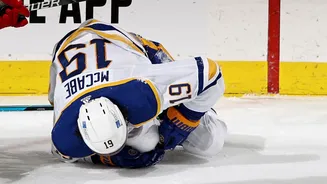
Your goal is not to fix the bone, but to keep them stable and safe. Signs of a fracture can include severe pain, swelling, bruising, a visible deformity like a bent limb, or an inability to move the area. Sometimes a grating sound might be heard or felt. If you are ever in doubt, it is best to treat the injury as a fracture.
Call for Emergency Help Immediately
Your first priority is to call for an ambulance, especially if the injury appears severe. Situations that require an immediate emergency call include a bone piercing the skin (an open fracture), suspected breaks in the hip, pelvis, or head, or if the person shows signs of shock, such as cold, clammy skin or confusion. For less severe injuries where the person can be moved safely, they will still need to go to a hospital or urgent care center.
Manage Bleeding for Open Fractures
An open fracture, where the bone has broken through the skin, carries a high risk of bleeding and infection. If you have disposable gloves, put them on. Apply firm pressure to the wound with a sterile dressing or the cleanest cloth you can find. It is crucial that you press on the area around the wound, not directly on any protruding bone. Never try to wash the wound or push the bone back in. If blood soaks through the first dressing, add another layer on top without removing the original one to avoid disturbing any clots.
Immobilize the Injured Area
Keeping the injured part from moving is vital to prevent further damage to nerves, blood vessels, and muscles. Do not attempt to straighten a bent limb or realign the bone. Instead, support the limb in the position you found it. To create a makeshift splint, use something rigid like a rolled-up magazine, a piece of cardboard, or a sturdy stick. This splint should be long enough to extend past the joints directly above and below the suspected break. Pad the splint with soft material like cloth and secure it snugly with bandages or strips of fabric, but never directly over the fracture site itself. Check the person’s fingers or toes periodically to ensure the bandages are not cutting off circulation.
Reduce Pain and Swelling
Applying a cold compress can help reduce both swelling and pain. Wrap an ice pack or a bag of frozen vegetables in a thin towel and apply it to the injured area for about 15 to 20 minutes at a time. Never place ice directly on the skin, as it can cause burns. If possible, and without causing more pain, elevate the injured limb above the level of the person's heart. You can prop a leg on cushions or support an arm with a pillow. This uses gravity to help limit swelling.
What You Should Never Do
Knowing what to avoid is just as important as knowing what to do. Never try to 'fix' or straighten a visibly deformed limb or push a bone back into the body. Avoid giving the injured person anything to eat or drink, as they may require anaesthesia for surgery. Do not apply heat to the injury in the first 48 hours, as this can increase swelling and bleeding. Finally, do not massage the area, as this can worsen the damage. Your role is to support and stabilize, not to treat.