




Start with the Soil
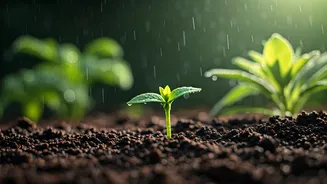
The single most important factor for a successful monsoon garden is drainage. Heavy rains can quickly lead to waterlogged soil, which suffocates plant roots and invites rot. Before the first showers, prepare your pots and beds. The ideal potting mix for the monsoon is light
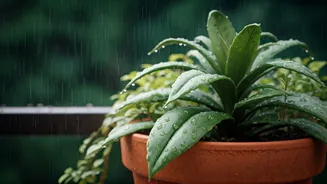
and well-draining. Combine equal parts garden soil, cocopeat (or sand), and compost. Cocopeat helps retain the right amount of moisture without becoming soggy, while compost provides essential nutrients. For garden beds, incorporate organic matter and sand to improve the soil structure. Ensure your pots have plenty of drainage holes and consider raising them on pot stands to allow excess water to escape freely. This simple step prevents a host of problems before they even start.
Choose Monsoon-Happy Plants
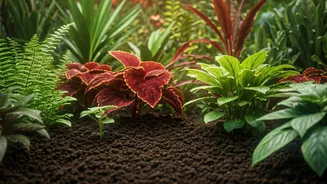
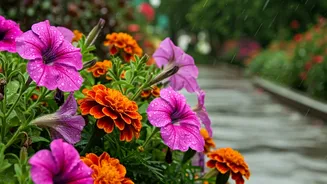
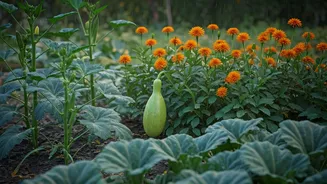
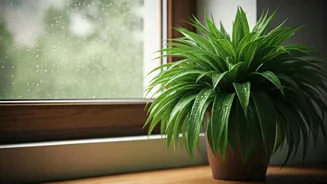
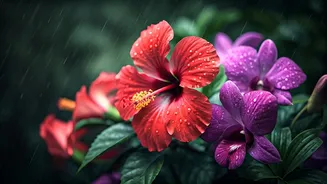
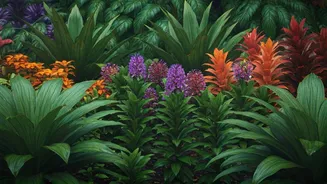
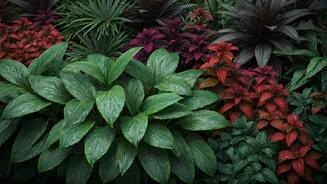
Not all plants love a deluge. The secret to a vibrant display is choosing species that flourish in high humidity and wet conditions. This is the perfect time for flowering annuals that complete their life cycle in one season. Consider planting monsoon favourites like balsam (impatiens), zinnias, marigolds, cosmos, and portulaca (office-time flower). For a more permanent green cover, hibiscus, plumeria (frangipani), crepe jasmine (tagar), and various hardy ferns are excellent choices. These plants are genetically programmed to thrive in the Indian monsoon. They not only withstand the rain but often put on their most spectacular show during this season. Visiting a local nursery is a great way to see which plants are currently in their prime.
Perfect Your Pruning
Pruning isn't just for shaping plants; it's a vital health measure during the monsoon. Overgrown, dense foliage traps moisture and reduces air circulation, creating a perfect breeding ground for fungal diseases and pests. Before the rains intensify, give your shrubs and trees a light trim. Remove any dead or weak branches and thin out crowded areas. This allows sunlight and air to penetrate the plant's core, helping leaves dry faster after a downpour. For flowering plants like roses and hibiscus, strategic pruning encourages new growth and more blooms. Think of it as giving your garden a haircut to help it breathe better through the wet months.
Manage Water Wisely
It might seem counterintuitive to water your garden during the rainy season, but it's about being smart, not stopping entirely. While the rain does most of the work, there can be dry spells between showers. Always check the soil before watering. A simple finger test works best: if the top inch of soil feels dry, it's time to water. Pay special attention to plants under eaves or on covered balconies that don't receive direct rainfall. When you do water, do so in the morning. This gives the leaves ample time to dry out during the day, reducing the risk of fungal infections that thrive on damp, cool nighttime foliage.
Tackle Pests and Fungi
The damp, humid conditions of the monsoon are a paradise for slugs, snails, and fungal diseases like powdery mildew and black spot. Be vigilant. Regularly inspect your plants, especially the undersides of leaves, for any signs of trouble. You can create a simple, organic pest-repellent spray by mixing neem oil with a few drops of liquid soap and water. Spray this solution every 10-15 days as a preventive measure. For slugs and snails, which come out in droves after rain, you can either remove them by hand or create simple traps. Good air circulation from proper pruning and well-draining soil are your best defenses against fungal issues.
Feed Your Garden Smartly
Constant rain can leach essential nutrients from the soil, leaving your plants hungry and weak. However, this isn't the time for heavy chemical fertilisers, which can easily be washed away and pollute groundwater. Instead, opt for slow-release organic fertilisers or liquid feeds. A monthly application of well-rotted compost, vermicompost, or a balanced liquid seaweed solution can provide a steady stream of nutrients. This gentle feeding supports robust growth and vibrant blooms without overwhelming the plants or the environment. Remember, a well-fed plant is also better equipped to fight off pests and diseases.