




The Rain Shadow Secret
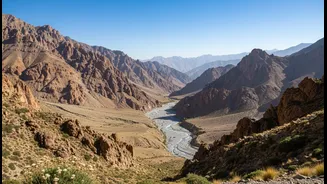
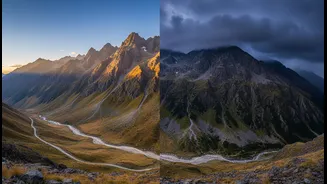
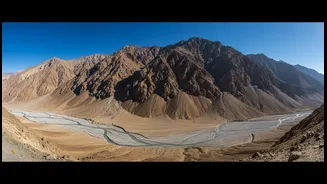
The magic behind these dry sanctuaries is a geographical phenomenon known as the rain shadow effect. The towering Himalayan ranges act as a colossal barrier, blocking the moisture-laden monsoon clouds that sweep in from the south. As the clouds are forced
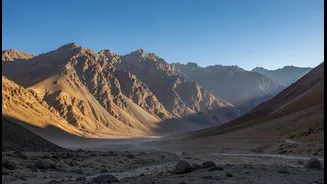
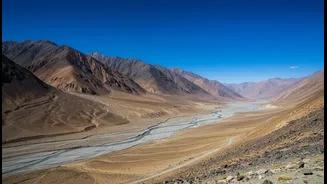
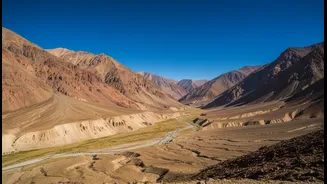
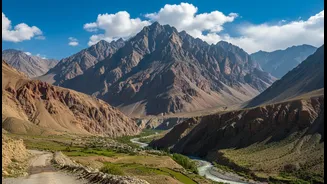
to rise, they shed their rain on the windward side, leaving the valleys on the other side, the leeward side, arid and sunny. This creates a high-altitude cold desert climate, making places like Ladakh, Lahaul, and Spiti perfect for travel precisely when the rest of the country is experiencing its heaviest rainfall from July to September.
Spiti Valley: A World Within a World
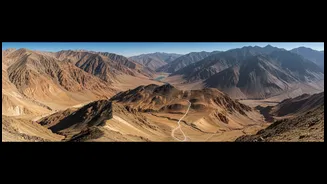
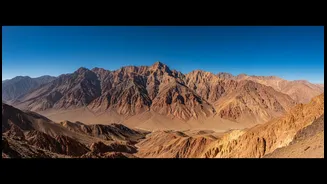
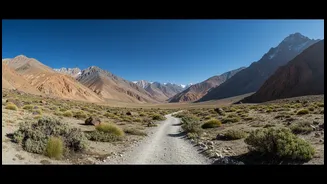
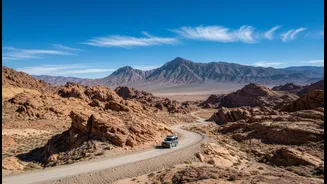
Often called 'Little Tibet', Spiti Valley in Himachal Pradesh is a mesmerising landscape of barren mountains, deep gorges, and ancient monasteries clinging to cliffsides. During the monsoon months, Spiti experiences clear skies and pleasant daytime temperatures, making it ideal for exploration. You can visit the iconic Key Monastery, the largest in the valley, send a postcard from the world's highest post office in Hikkim, and marvel at the pristine beauty of Chandratal, the Moon Lake. The drive to Spiti, whether from Manali via the Kunzum Pass or from Shimla through Kinnaur, is an adventure in itself, revealing dramatic shifts in scenery from lush green to stark, beautiful brown. The valley offers a profound sense of peace and a chance to immerse yourself in a unique Tibetan-Buddhist culture.
Ladakh: The Land of High Passes
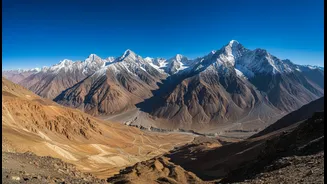
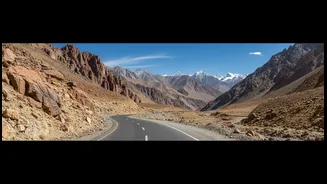
Ladakh, a union territory nestled between the Karakoram and Himalayan ranges, is perhaps the most famous rain shadow destination. Its otherworldly lunar landscapes, brilliant blue skies, and vibrant cultural festivals make it a top draw. July and August are peak season here for a reason: the weather is perfect, with warm, sunny days and all roads and passes fully accessible. You can explore the bustling markets of Leh, drive over the breathtaking Khardung La pass to the sand dunes of Nubra Valley, and witness the serene, ever-changing colours of Pangong Tso. While the main routes to Ladakh can sometimes face rain-related disruptions, flying into Leh is a reliable option. With minimal rainfall, Ladakh offers uninterrupted opportunities for trekking, monastery-hopping, and simply soaking in the magnificent high-altitude scenery.
Lahaul: The Greener Neighbour
Formerly clubbed with Spiti, the Lahaul Valley is now more accessible thanks to the Atal Tunnel and offers a slightly different flavour. While it's also in a rain shadow area, Lahaul is comparatively greener than its eastern neighbour Spiti, with lush fields of barley and potatoes dotting the valley floor. From June to September, the weather is pleasant, making it a great time for sightseeing and light trekking. Key attractions include the tranquil villages along the Chandra and Bhaga rivers, ancient monasteries like Kardang, and the gateway to high-altitude treks. Lahaul provides a gentler introduction to the cold desert landscape, balancing stark mountain beauty with verdant patches of cultivation.
Know Before You Go
While these valleys are dry, the roads leading to them, particularly from Manali, can be prone to landslides during heavy rains. The Shimla-Kinnaur route to Spiti is often considered more reliable during the monsoon. High altitude is another crucial factor. These destinations sit at elevations of over 3,000 meters, so acclimatisation is essential to avoid altitude sickness. Plan your itinerary to allow for gradual ascent, stay hydrated, and listen to your body. Pack layers of warm clothing, as night temperatures can drop significantly even in summer.