

The Core Philosophy: A Strategy for Freshness
The allure of meal prep is undeniable: a fridge filled with ready-to-go components that save you time and stress during a busy week. But anyone who has faced a container of limp, sad vegetables by Wednesday knows that preparation is more than just portioning.
The key to successful meal prep is understanding how different foods hold up over time. By dividing your ingredients into three simple categories—those that should stay raw, those that benefit from being cooked, and those that are best frozen—you create a system that preserves texture, flavour, and nutrients all week long. This approach prevents food waste and ensures your prepped meals are just as appealing on day four as they are on day one.
The Raw Deal: What to Keep Crisp and Fresh
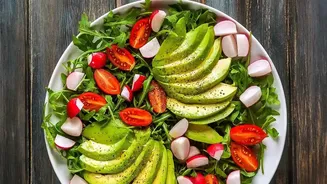
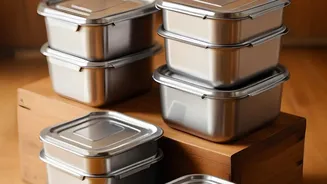
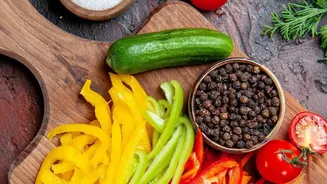
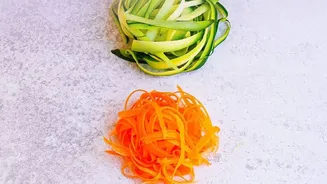
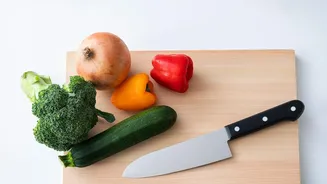
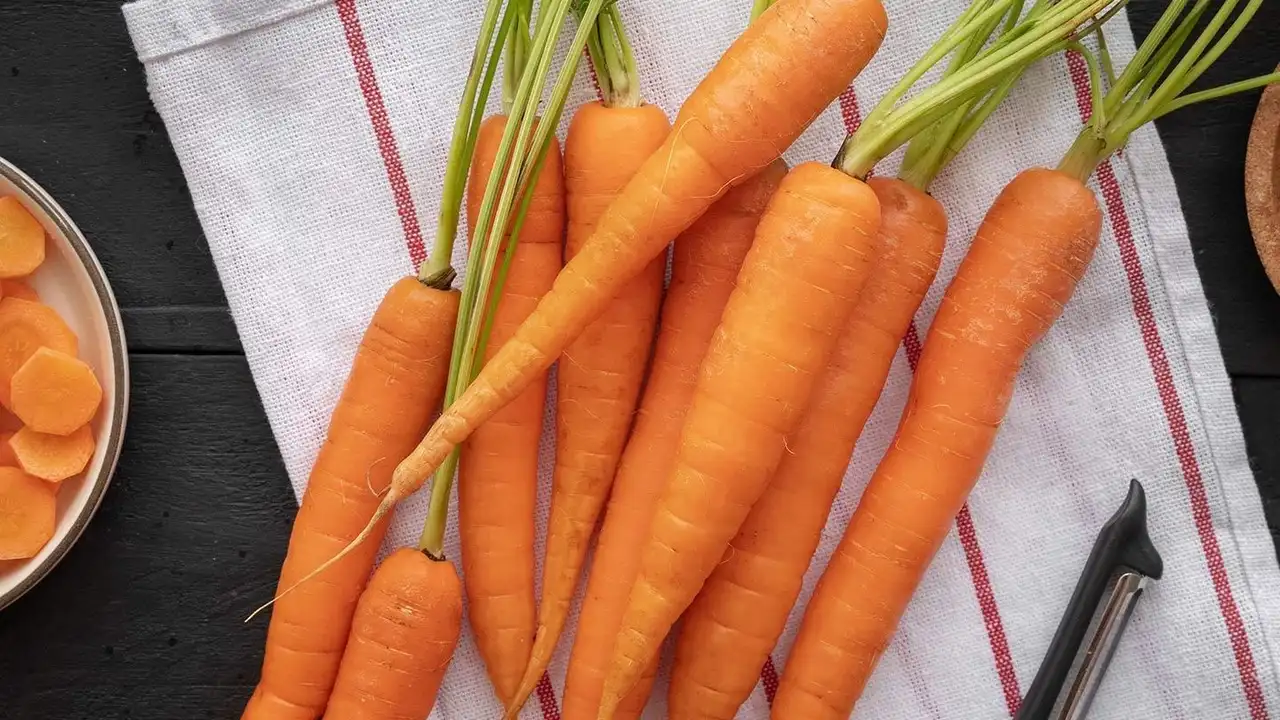
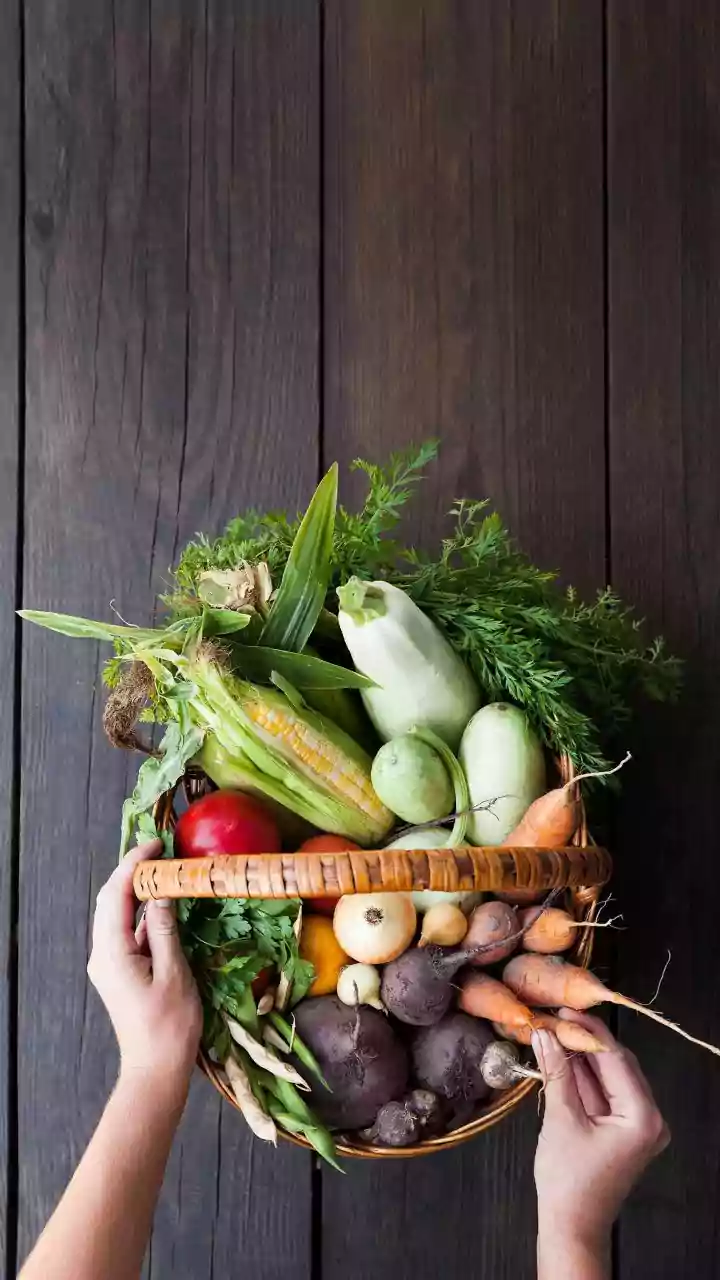
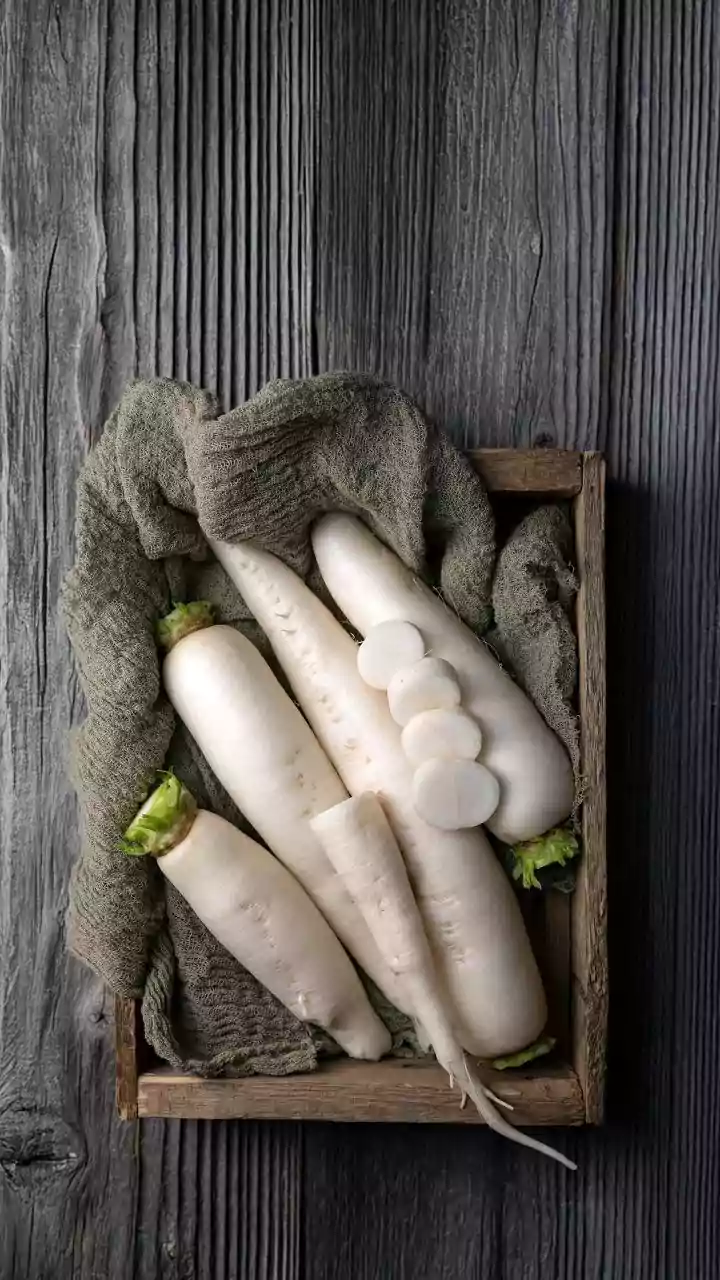
Some vegetables lose their life and crunch the moment they're cooked and stored. These are your raw heroes. Hardy greens and sturdy vegetables are ideal for chopping ahead of time and storing for salads, wraps, and snacks. Think carrots, celery, bell peppers, and radishes, which can be sliced or diced and kept in airtight containers. For salads, you can wash and chop lettuce like iceberg or radicchio, but keep dressings separate until you're ready to eat to prevent sogginess. Shredded beets and carrots also hold up remarkably well. Delicate items like cucumbers and tomatoes are best left whole and sliced just before serving, as they release water and become mushy. By identifying your raw components, you guarantee that fresh, crunchy texture will be there when you need it.
The Cooked Components: Building Your Meal's Foundation
Cooking certain ingredients ahead of time is the backbone of efficient meal prep. These are the elements that take the longest to prepare on a weeknight, so getting them out of the way is a huge time-saver. Grains like quinoa, farro, and brown rice are perfect for cooking in large batches. Once cooled, they can be stored in the fridge and added to bowls, salads, or served as a side. Roasted vegetables like sweet potatoes, Brussels sprouts, broccoli, and cauliflower develop a deeper flavour when cooked and hold up well in the fridge for several days. Proteins are also great candidates for pre-cooking. Grilled chicken, baked tofu, and hard-boiled eggs are versatile additions to any meal. Cooking these items in advance provides a solid, flavourful base that you can easily build upon throughout the week.
The Freezer Aisle: Playing the Long Game
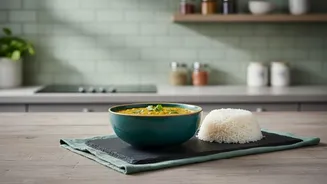
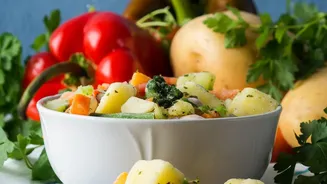
The freezer is your best friend for long-term meal planning. It allows you to prep ingredients and even full meals weeks in advance. Soups, stews, curries, and chilis are ideal for freezing. Saucy dishes tend to freeze better than dry ones, as the liquid protects the ingredients from freezer burn. Grains like rice and quinoa also freeze well, and you can portion them into single servings for quick reheating. To freeze vegetables, it's often best to blanch them first—a quick dip in boiling water followed by an ice bath—to preserve their colour and texture. While raw potatoes don't freeze well, cooked or blanched potatoes do. However, some foods should never see the inside of your freezer. Avoid freezing items with high water content like lettuce and cucumber, as well as dairy-based sauces, yogurt, and mayonnaise, which can separate and become grainy upon thawing.
Putting It All Together for the Week
With your components prepped and categorised, assembling meals becomes a simple mix-and-match process. A lunch bowl could come together in minutes by combining your pre-cooked quinoa, some raw chopped peppers, roasted sweet potatoes, and a scoop of baked chickpeas. For dinner, you might reheat a frozen portion of lentil soup and serve it alongside a fresh, raw side salad. This strategic separation ensures every element of your meal has the best possible texture and flavour. It prevents the common meal prep mistake of combining everything into one container, only to have the raw and cooked elements merge into a soggy, unappetizing dish. By thinking in terms of raw, cooked, and frozen, you're not just prepping food; you're designing delicious, satisfying meals for your future self.