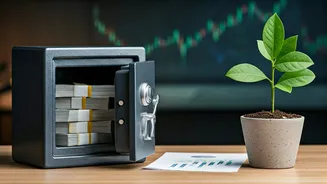









What is a Cash Buffer, Really?
Think of a cash buffer—often called an emergency fund—as your personal financial firewall. It's a stash of liquid money, easily accessible in a pinch, set aside exclusively for major, unexpected expenses. This isn't your holiday fund or money for a down
payment. This is the 'life-happens' fund. It’s for when the car's transmission fails, you face a sudden medical bill, or your income takes an unexpected hit due to a job loss. Its purpose is singular: to cover your essential living costs during a crisis without forcing you to go into debt or liquidate your long-term investments.
Why Six Months is the Gold Standard
You'll often hear financial advisors recommend a buffer of three to six months' worth of essential living expenses. While three months is a good start, aiming for a rock-solid six months provides a much stronger layer of security, especially in an uncertain economic climate. Six months gives you a realistic timeframe to find a new job without desperation settling in. It allows you to handle a significant, drawn-out emergency without derailing your entire financial life. For gig economy workers, freelancers, or single-income households, this six-month buffer isn't just a suggestion; it's a necessity. It insulates you from income volatility and provides peace of mind that a few slow months won't spell disaster.
The Shield for Your Investments
This is the most crucial, yet often overlooked, reason for building a buffer before you invest. Markets go up, but they also go down. Imagine you've invested ₹5 lakh in equities, and the market suddenly drops 20%. Your portfolio is now worth ₹4 lakh. If, at that exact moment, you lose your job and need ₹1 lakh for expenses, you are forced to sell your investments at a significant loss. You've locked in that downturn and sacrificed future growth. A cash buffer prevents this disastrous scenario. When an emergency strikes, you draw from your cash, leaving your investments untouched to recover and grow over the long term. It allows you to ride out market volatility with confidence, turning investing into a strategic long-term plan rather than a short-term gamble.
Calculating Your Six-Month Figure
To figure out your target number, you need to be brutally honest about your essential monthly expenses. This isn't your total monthly income. It's the bare minimum you need to keep your life running. Tally up your non-negotiables: rent or EMI, utility bills (electricity, water, internet), groceries, insurance premiums, transportation costs, and any minimum debt payments. Exclude discretionary spending like dining out, entertainment, and shopping. Once you have that monthly figure, multiply it by six. If your essential monthly burn is ₹50,000, your rock-solid cash buffer goal is ₹3 lakh. This is your number.
Where to Park Your Cash
Your emergency fund needs to be safe and liquid. This is not money to be risked in the stock market. The goal here is capital preservation, not high returns. The best place for it is in a high-yield savings account, separate from your primary checking account. This keeps the money out of sight and mind, reducing the temptation to spend it. A high-yield account offers a slightly better interest rate than a standard savings account, helping your buffer marginally keep pace with inflation. Some also consider liquid mutual funds, but ensure they have no exit load and offer instant redemption. The key is accessibility: you should be able to get your hands on this money within a day or two, no questions asked.