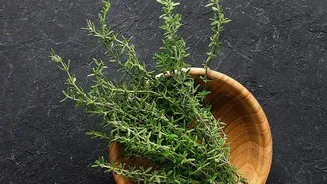


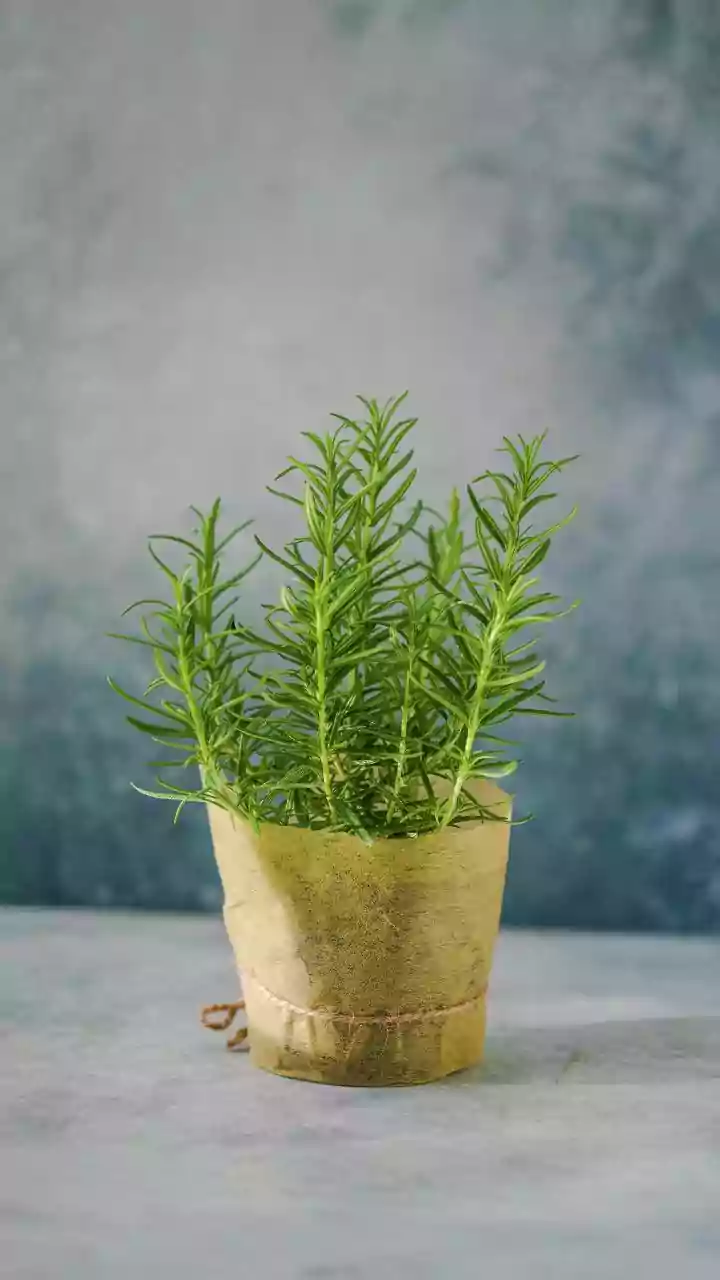

The dream of fresh, aromatic thyme snipped straight from a kitchen windowsill is a common one. But this hardy herb often fails indoors, leaving gardeners puzzled. The most frequent culprit is not neglect, but rather too much care in one specific area:
water.
Why Thyme Hates 'Wet Feet'
Thyme is a Mediterranean native, evolved to thrive in dry, rocky, sun-baked soils. Its roots are designed for excellent drainage and are highly susceptible to rot when left in consistently moist conditions. Overwatering is the single most common reason indoor thyme plants perish. When the soil stays soggy, it cuts off oxygen to the roots. This leads to root rot, a fungal condition where the roots turn brown or black, become mushy, and can no longer absorb water or nutrients, effectively starving the plant. Ironically, an overwatered, rotting plant often looks thirsty, with wilting, yellowing leaves, which can tempt a grower to water it even more.
The Right Foundation: Pot and Soil
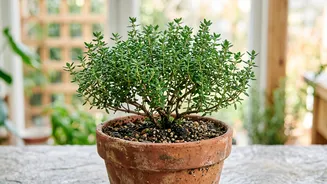
Success starts with the right setup. Thyme needs a container with excellent drainage. Terracotta or clay pots are often recommended because their porous nature helps wick moisture away from the soil, allowing it to dry out more evenly. Regardless of material, multiple drainage holes are non-negotiable. For soil, a standard potting mix is usually too dense and retains too much water. Thyme prefers a lean, gritty, and fast-draining medium. You can create an ideal mix by combining a quality potting soil with ingredients that improve aeration and drainage, such as coarse sand, perlite, or fine grit. A good ratio to aim for is about two parts potting mix to one part sand or perlite.
The Art of Proper Watering
When it comes to watering thyme, less is always more. The golden rule is to water deeply but infrequently. Always check the soil before watering again. A reliable method is the finger test: insert your finger into the soil up to the second knuckle. If it feels dry, it's time to water. If you feel any moisture, wait. When you do water, do so thoroughly until water runs freely from the drainage holes. This ensures the entire root ball is hydrated. After watering, be sure to empty any excess water from the saucer beneath the pot. Allowing the pot to sit in standing water is a direct path to root rot.
Spotting the Signs of Distress
An overwatered thyme plant will give you several clues. One of the first signs is yellowing leaves, particularly starting from the bottom of the plant. The stems near the soil line might feel soft or mushy, and the base can even turn dark brown or black. You might also notice a musty or sour smell from the soil, indicating decay is underway. In some cases, the soil surface may develop a layer of mould or you might see fungus gnats, which are attracted to damp conditions. Paradoxically, the plant may start to wilt even though the soil is wet, as the damaged roots can no longer function properly.
Rescuing an Overwatered Plant
If you catch the problem early, your thyme can often be saved. First, stop watering immediately and move the plant to a location with good air circulation. Gently remove the plant from its pot and inspect the roots. Healthy roots are firm and whitish–tan. If you find any roots that are brown, black, and mushy, trim them off with clean, sharp scissors. It is crucial to repot the plant in fresh, dry, well–draining soil. Do not use the old, soggy soil. After repotting, give the plant some time to recover in a spot with bright, indirect light before you resume a careful watering schedule. Avoid fertilizing until you see signs of new, healthy growth.