
An Ancient Solution for Modern Gardens
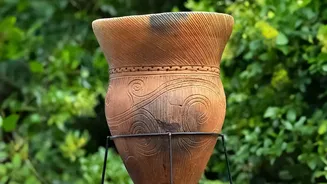
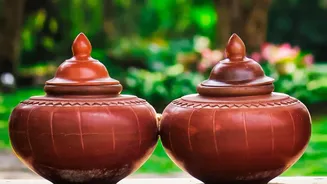
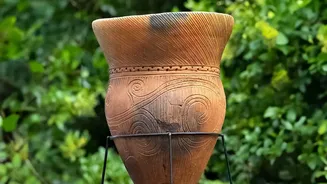
An olla (pronounced ‘oy-ah’) is simply an unglazed, porous terracotta pot that is buried in soil and filled with water to irrigate plants. This method is far from new; it's an ancient technique used for over 4,000 years in various parts of the world to efficiently
water crops in arid climates. Today, this same principle provides a brilliant solution for the unique challenges of urban gardening. For balcony gardeners dealing with limited space and containers that heat up quickly, ollas offer a set-it-and-forget-it approach to watering that saves time, conserves water, and ultimately leads to healthier plants.
The Science of Seepage
The magic of an olla lies in a natural process called soil moisture tension. The unglazed clay walls of the pot are porous, allowing water to slowly seep out. However, the water doesn't just leak out uncontrollably. Instead, it is actively 'pulled' through the pot's walls by the surrounding dry soil and the plant roots seeking moisture. When the soil is moist, such as after a rain, the water stays inside the olla. When the soil begins to dry, the olla automatically releases water to re-establish equilibrium. This self-regulating system ensures plants get exactly the amount of water they need, directly at the root zone, preventing the stressful cycles of overwatering and under-watering that are common in container gardening.
Why Ollas Excel on Balconies
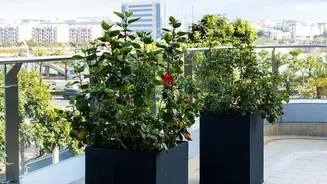
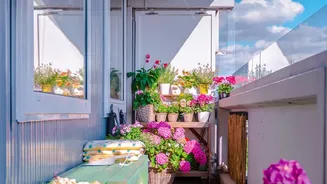
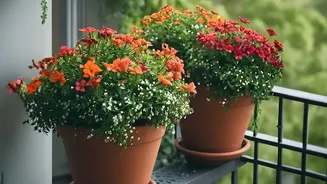
Balcony and rooftop gardens face unique environmental pressures. They are exposed to wind and reflected heat, which can cause soil in containers to dry out with surprising speed, even during humid spells. Surface watering in these conditions can be inefficient, with a significant amount of water lost to evaporation before it ever reaches the roots. Ollas bypass this problem entirely by delivering water underground. This method can reduce water consumption by up to 70% compared to surface irrigation. Furthermore, keeping the soil surface drier helps suppress weed growth. The consistent moisture provided by an olla encourages deep, strong root development, making plants more resilient.
Choosing and Using Your Olla
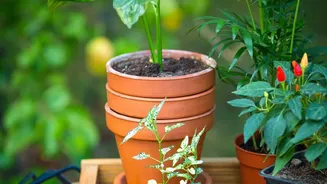
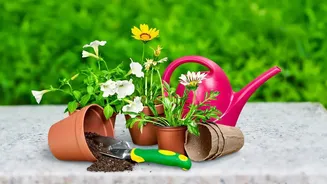
Ollas can be purchased from garden suppliers or you can make your own by sealing the drainage hole of one terracotta pot and gluing it to the rim of another identical pot. When selecting an olla for a container, size is key. A small olla is suitable for pots around 12-16 inches in diameter, while larger trough planters may require a bigger one or several spaced about two feet apart. As a general rule, the pot should be at least 40 cm wide to accommodate both the olla and the plant's roots. For best results, bury the olla in the center of your container, leaving only the neck exposed. Gently pack the soil around it to ensure there are no air pockets, which would prevent water from dispersing correctly.
A Simple Planting Guide
Once your olla is in place, plant your seedlings or plants around it. Place thirstier plants, like tomatoes or cucumbers, closest to the olla. After planting, fill the olla with water and place a cap or a small stone over the opening. This lid is crucial for preventing evaporation and stopping mosquitoes from breeding in the standing water. You will need to check the water level every few days at first to learn your garden's rhythm; the refill frequency can range from every other day to once a week depending on the weather, pot size, and plant type. It's important to note that you should not add liquid fertiliser to the olla itself, as it can clog the porous clay.