



How Air Frying Works Its Magic
An air fryer isn't really a fryer at all; it's more like a powerful, compact convection oven. It works by circulating hot air at high speed around the food. This technology, known as rapid air circulation, cooks the food and creates a crispy, golden-brown
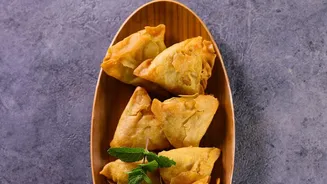
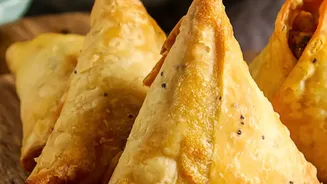
exterior that mimics the texture of deep-fried foods. Instead of submerging a samosa in a kadai full of hot oil, you only need a light brush or spray of oil to achieve a satisfying crunch, using up to 80-90% less oil in the process. This not only makes for a less messy cooking experience but also a much quicker one, with faster preheating and cooking times compared to a conventional oven.
The Health-Conscious Choice
The primary benefit of switching to an air fryer is health. By drastically cutting down on oil, you also cut down on calories and unhealthy fats. This can be a significant advantage for those managing their weight, cholesterol levels, or overall heart health. A deep-fried samosa absorbs a large amount of oil, increasing its fat and calorie content substantially. The same samosa, when air-fried, can have a significantly lower calorie count without sacrificing its role as a beloved snack. Furthermore, air frying helps retain more nutrients in vegetables compared to deep frying, making it a smarter choice for daily snacking.
Mastering the Air-Fried Samosa
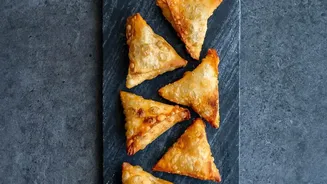
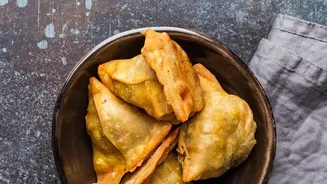
Achieving that perfect, shatteringly crisp samosa crust in an air fryer requires a few key techniques. First, always preheat your air fryer for a few minutes; this ensures even cooking from the start. Don't overcrowd the basket—cook the samosas in a single layer to allow the hot air to circulate freely and crisp up all sides. For best results, lightly brush or spray the samosas with a little oil before cooking. A typical cooking time is around 15-20 minutes at about 190°C (375°F), flipping them halfway through to ensure they brown evenly. Cooking times can vary based on your air fryer model and the size of the samosas, so it's wise to check on them after the first 10-12 minutes.
An Honest Taste Comparison
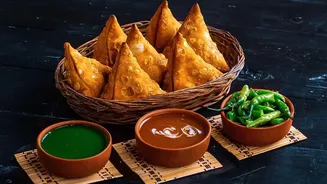
Will an air-fried samosa taste exactly like its deep-fried counterpart? Honestly, no. Deep frying imparts a specific richness and a heavier, more saturated crunch that comes from the oil itself. An air-fried samosa will have a slightly different, often lighter, and drier crispiness. While some purists may miss the exact taste of the traditional method, most people find the trade-off more than worth it for a guilt-free indulgence. The flavour of the spiced filling remains the star, and when served hot with your favourite mint or tamarind chutney, the air-fried version is wonderfully delicious in its own right.
Beyond Samosas: A World of Snacks
The utility of an air fryer in an Indian kitchen extends far beyond samosas. Many other traditional snacks can be adapted for this healthier cooking method. Aloo tikkis, paneer tikkas, and cutlets turn out beautifully crisp. Even pakoras, which have a wet batter, can be successfully made by ensuring the batter is thick and not too runny. Some suggest lightly freezing battered items before air frying to help them hold their shape. From reheating leftovers to crisp perfection to experimenting with vegetable chips, the air fryer proves to be a versatile tool for the modern, health-aware Indian household.