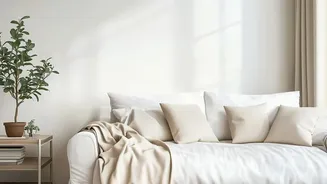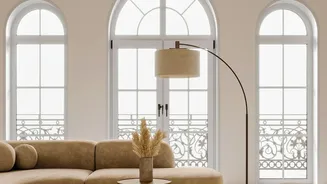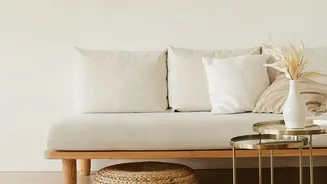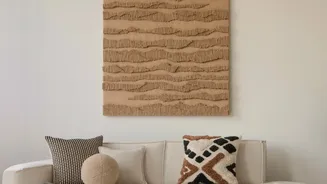

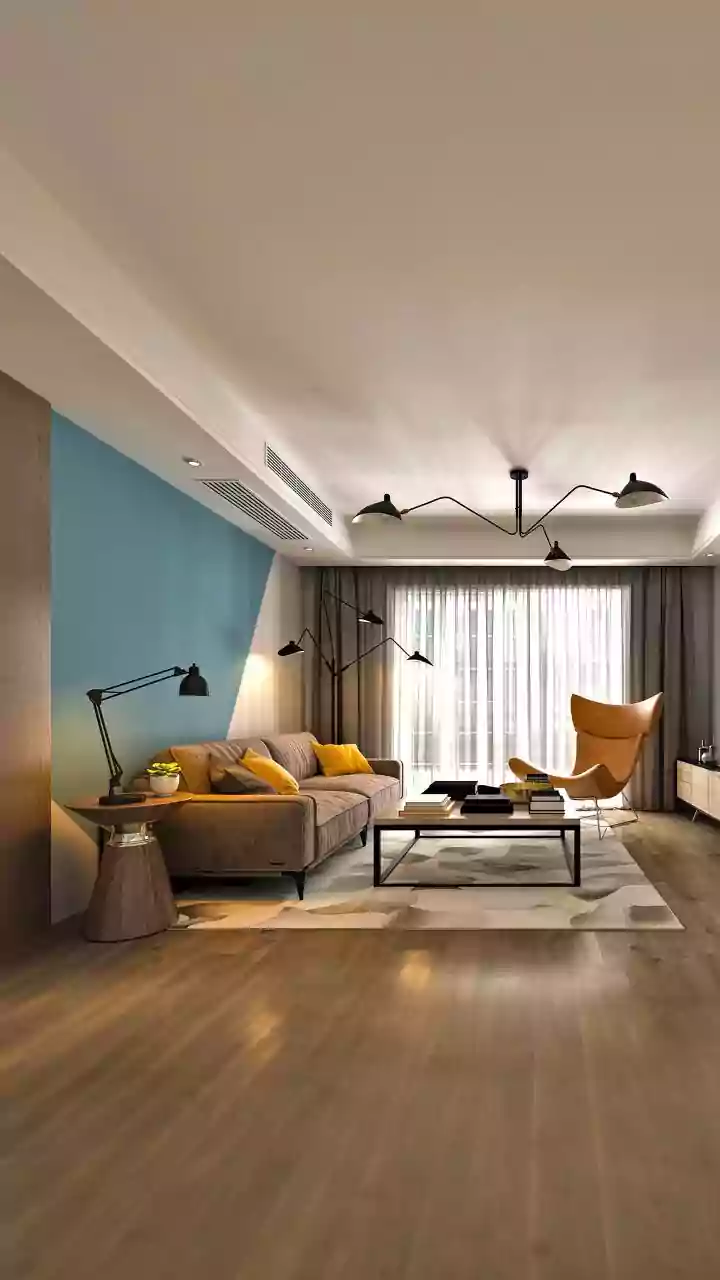
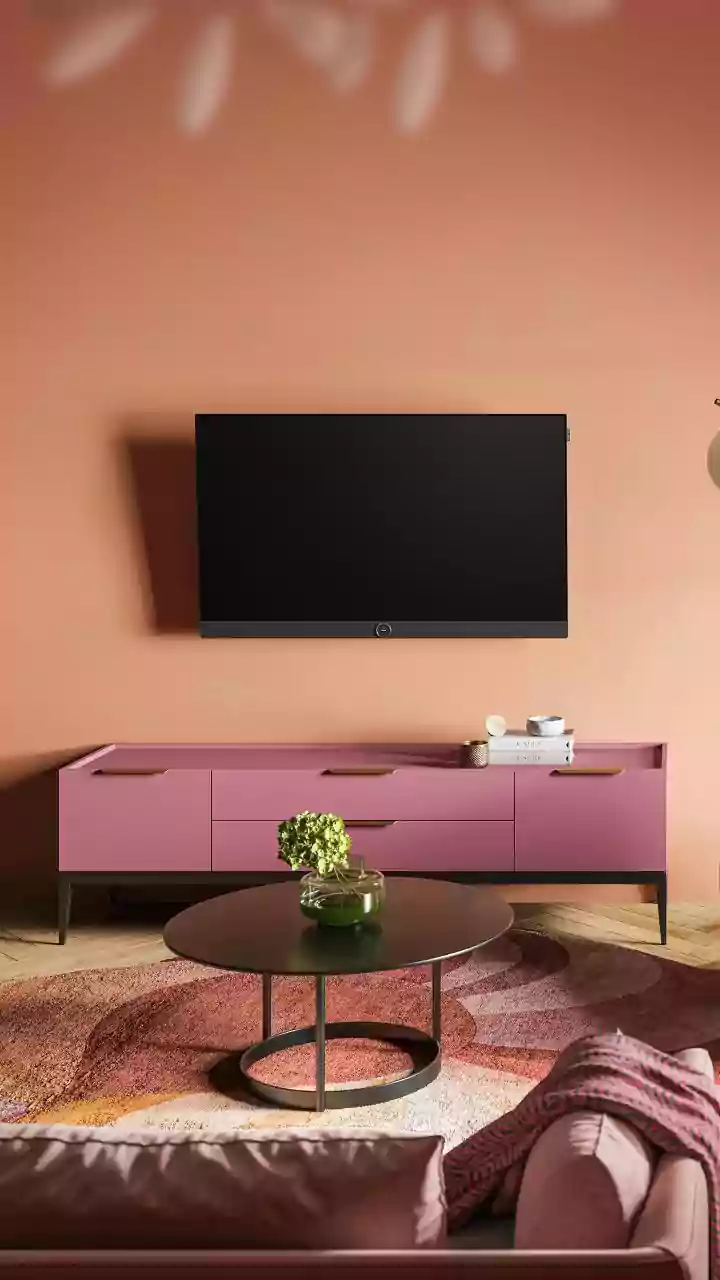
When we talk about a room’s 'warmth', it is not just about the temperature. It is about creating a space that feels inviting and comforting. While paint sets the mood, textured pastel fabrics offer a tactile richness that flat surfaces can't match.
Why Texture Adds a Deeper Warmth
A flat,
painted wall is a one-dimensional experience for the senses. Texture, on the other hand, adds physical and visual depth that transforms a room from sterile to soulful. Our brains are wired to associate soft, varied surfaces with comfort, safety, and relaxation. When you introduce materials like plush knits, woven linens, or rich velvets, you are engaging the sense of touch, even from across the room. The eye perceives the subtle shadows and highlights on a textured surface, which makes the space feel more layered and complex. Materials absorb and diffuse light differently than a flat wall, softening the overall atmosphere and reducing glare. This sensory engagement is what creates a true feeling of cosiness that goes beyond colour.
The Soothing Psychology of Pastels
Pastel colours—soft shades created by mixing a pure pigment with white—have a proven calming effect on our psychology. Hues like blush pink, mint green, sky blue, and soft lavender are associated with peace, serenity, and positive energy. Unlike their vibrant counterparts, pastels don’t overwhelm the senses. Instead, they make spaces feel lighter, airier, and more open. When you combine the gentle, soothing nature of pastels with the inherent comfort of a textured fabric, the effect is amplified. A dusty rose velvet cushion or a sage green linen throw feels emotionally warmer and more inviting than a plain painted surface in the exact same shade. The combination signals a space designed for rest and well-being.
Your Guide to the Best Textured Fabrics
Choosing the right fabric is key to achieving this layered warmth. Each material brings its own unique character to a room. Bouclé, with its looped, nubby surface, offers a modern yet incredibly cosy feel and is a huge trend in interior design. Velvet instantly adds a touch of luxury and depth, its plush pile catching the light beautifully. For a more relaxed, breathable option, especially in India’s warmer climates, consider natural fibers like cotton and linen. Their inherent wrinkles and slubs add a subtle, organic texture. For ultimate comfort in cooler months or air-conditioned spaces, materials like sherpa, with its wooly feel, or faux fur bring undeniable softness and warmth to blankets and pillows.
How to Layer Fabrics Like a Designer
The secret to a sophisticated look is layering. Start with textiles before committing to paint. Swapping out cushion covers, adding a new throw, or laying down a rug are low-risk ways to experiment. Don't be afraid to mix different pastel tones and textures. A plush velvet pillow can sit beautifully on a more rustic linen sofa, creating a delightful contrast. Use the 60-30-10 rule for a balanced palette: 60% of your room can be a warm neutral like cream or oatmeal, 30% a primary pastel like sage green, and 10% an accent pastel like blush pink in smaller decorative items. Ground the softness of pastels with natural materials like light wood furniture or metallic accents like brass to keep the look mature and elegant.
Bringing Textured Warmth to Every Room
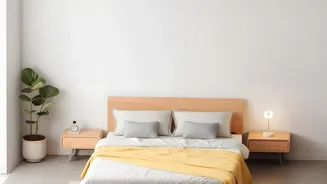
This design principle isn't limited to the living room. In the bedroom, layering pastel bedding—think soft cotton sheets, a textured duvet cover, and a chunky knit throw—can create a serene sanctuary designed for rest. In a home office, which can often feel sterile, a soft pastel rug and an upholstered chair in a tactile fabric can make the space feel more inviting and less stressful. Even bathrooms can benefit; a set of plush towels in a pastel shade and a textured bath mat can transform the room into a spa-like retreat. The key is to match the intensity of the pastel to the room's function: softer tones for rest and slightly deeper ones for gathering spaces.