




What Is This New UPI Fee?
Starting October 15, 2026, the National Payments Corporation of India (NPCI) is introducing a Merchant Discount Rate (MDR) on certain UPI transactions. This isn't a fee for customers. Instead, it's a charge that merchants will pay for processing specific
high-value payments. The standard rate is set at 0.4% for eligible person-to-merchant (P2M) transactions exceeding ₹2,000. This move marks a shift from the zero-fee model that has been in place for years, aiming to create a sustainable revenue stream for the banks and payment service providers that maintain the UPI infrastructure. Think of it as a processing cost for businesses, similar to charges they already pay for accepting card payments.
Will You Have to Pay Extra?
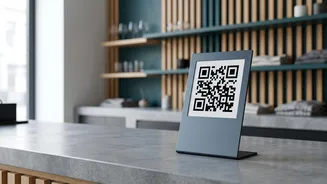
No. The most important thing to know is that consumers will not be charged this fee. When you scan a QR code and pay a merchant, the amount deducted from your bank account will be exactly what you owe. The MDR is paid by the merchant from the amount they receive. The government and NPCI have been firm on this point, advising banks to ensure these costs are not passed on to customers. Furthermore, all person-to-person (P2P) UPI transfers—like sending money to friends or family—remain entirely free, regardless of the amount.
Which Transactions Are Actually Affected?
This new charge is highly specific. It only applies to person-to-merchant (P2M) payments that are over the ₹2,000 threshold. For example, if you pay a merchant ₹3,000 via UPI, their bank may deduct an MDR of ₹12 from the payment they receive. The fee is also capped; for any transaction of ₹75,000 or more, the maximum MDR is fixed at ₹300. This structure ensures that the fee doesn't become excessively high for very large payments. According to official estimates, this change will only affect a small fraction of total UPI payments, as more than 95% of merchant transactions are below the ₹2,000 limit and will remain free.
Are There Any Exemptions?
Yes, and they are significant. Besides keeping all P2P and low-value merchant payments free, the new rules include crucial exemptions for small businesses. Merchants who receive up to ₹1 lakh per month through UPI QR codes will not have to pay any MDR, protecting the vast network of small vendors who rely on UPI. Additionally, certain essential sectors have been given special, lower rates. For instance, payments above ₹2,000 for railways, telecom, insurance, and fuel will attract a flat fee of just ₹5, instead of the 0.4% rate. This is designed to prevent price hikes in critical public services. Payments related to the capital markets, like for mutual funds or stockbroking, will have a minimal MDR of 0.02%.
Why Is This Change Happening Now?
For years, the government promoted UPI's growth by mandating a zero-MDR policy, with costs largely absorbed by banks, payment platforms, and government incentives. While this spurred massive adoption, it raised questions about the long-term financial viability of the ecosystem. The introduction of a targeted MDR on high-value transactions is intended to create a self-sustaining model. The revenue generated from these fees will be shared among the banks and payment service providers, compensating them for the costs of running and securing the vast UPI network. Officials believe this will ensure continued innovation and robust service, while also helping smaller domestic payment companies compete more effectively.