





Why 'Healthy Eating' Often Feels Like a Punishment
For many, the journey to wellness is paved with deprivation. We're told to cut out foods we love, leading to a cycle of restriction and craving. This approach often focuses on what to avoid rather than what to enjoy, making meals feel like a test of willpower
instead of a source of pleasure. This mindset can create a negative relationship with food, where eating becomes stressful and loaded with guilt. The body itself can rebel against severe restriction by increasing hunger signals, making it even harder to stick to a plan. This cycle of yo-yo dieting can slow metabolism and negatively impact mental health. Ultimately, when a diet feels like a punishment, it’s rarely sustainable.
The Fibre Solution: More Than Just 'Roughage'
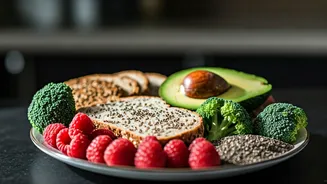
Fibre is a type of carbohydrate found in plant foods that our bodies can't digest. It comes in two main forms, both crucial for health. Soluble fibre dissolves in water to form a gel-like substance. Found in oats, beans, apples, and carrots, it helps slow digestion and can lower blood sugar and cholesterol levels. Insoluble fibre does not dissolve in water. It adds bulk to stool, helping food move through the digestive system more efficiently and promoting regularity. You can find it in whole-wheat products, nuts, and vegetables like cauliflower. Most plant foods contain a mix of both types.
How Fibre Fights the 'Punishment' Feeling
The magic of fibre lies in its ability to promote satiety, or the feeling of fullness. Because high-fibre foods are more filling, you're likely to eat less and stay satisfied for longer. Soluble fibre, in particular, slows down the emptying of your stomach and helps stabilize blood sugar levels, which prevents the energy crashes and sudden hunger pangs that can lead to unhealthy snacking. Recent research has also shown that a high-fibre diet stimulates the release of an appetite-reducing hormone called PYY, further contributing to that feeling of fullness. By keeping you satisfied and your energy stable, fibre directly counters the feelings of deprivation and hunger associated with many diets.
Building a High-Fibre Indian Plate (The Delicious Way)
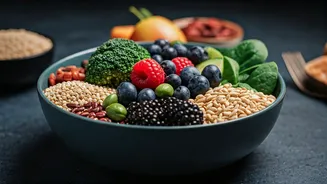
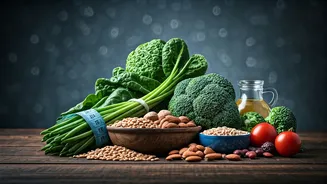
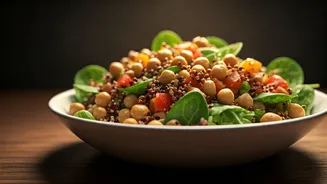
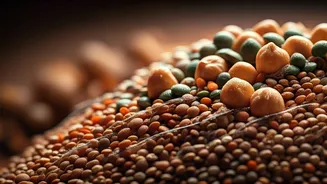
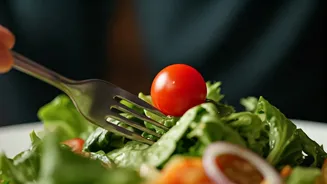
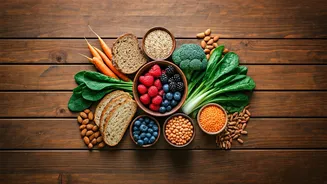
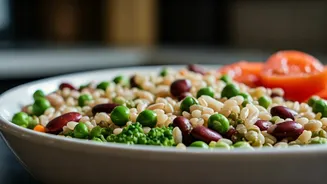
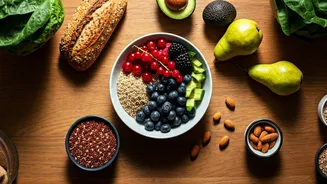
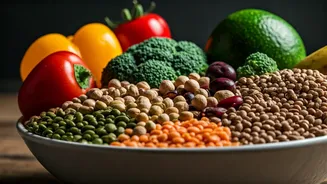
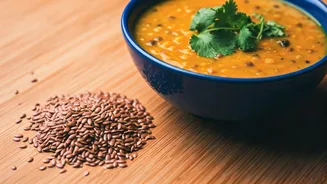
Adding fibre to your diet doesn't mean sacrificing flavour. Indian cuisine is naturally rich in high-fibre ingredients. Whole grains like jowar, bajra, ragi, and brown rice are excellent choices. Lentils and legumes, the stars of countless dal and curry recipes like rajma and chole, are packed with both fibre and protein. A wide array of vegetables, including green peas, sweet potato, spinach, and bottle gourd (lauki), can easily boost the fibre content of any meal. Fruits such as guava—one of the highest-fibre options—papaya, and apples make for great snacks. Don't forget nuts and seeds like almonds, walnuts, and flax seeds, which can be sprinkled over yoghurt or porridge for an extra crunch and fibre boost.
Simple Swaps for an Instant Fibre Boost
You don't need a complete diet overhaul to increase your fibre intake. Small changes can make a big difference. Swap refined white bread for 100% whole-wheat roti or bread. Choose brown rice over white rice for your meals. Instead of processed snacks, reach for a handful of nuts or a piece of fruit. When making classics like poha or upma, add a generous amount of vegetables like peas and carrots. Consider starting your day with a bowl of oats or a ragi dosa instead of a low-fibre alternative. One important tip: increase your fibre intake gradually over a few weeks and be sure to drink plenty of water. Adding too much fibre too quickly can lead to bloating or discomfort as your system adjusts.