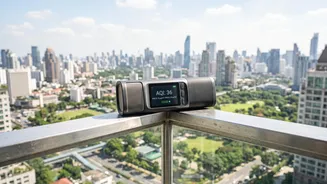







The desire to stay active by running, cycling, or walking outdoors is a healthy impulse. But in many Indian cities, this clashes with the reality of poor air quality. How does long-term exposure to a high Air Quality Index (AQI) affect your heart?
The Problem with Polluted Air
When
you exercise, your breathing rate increases significantly. You inhale more air, and you often breathe more deeply through your mouth, bypassing the natural filtering system of your nose. If the air is polluted, this means you are pulling a higher concentration of harmful pollutants deep into your lungs. The biggest culprits are fine particulate matter known as PM2.5—tiny particles less than 2.5 micrometres in diameter that come from vehicle exhaust, industrial emissions, and burning fuel. Because they are so small, these particles don't just stay in the lungs; they can pass into the bloodstream, circulating throughout your body and affecting vital organs, most notably your heart and blood vessels.
How High AQI Impacts Your Heart
Once in the bloodstream, pollutants like PM2.5 can trigger a cascade of harmful effects on the cardiovascular system. Studies show that both short-term and long-term exposure can increase the risk of serious cardiovascular events. The primary mechanisms are inflammation and oxidative stress, where the body's ability to counteract damaging molecules is overwhelmed. This can lead to the stiffening of arteries, increased blood pressure, and a higher likelihood of blood clots. Over time, this chronic exposure can accelerate atherosclerosis (the buildup of plaque in the arteries), increasing the risk of heart attacks, strokes, irregular heartbeats (arrhythmias), and worsening conditions like heart failure.
Know the Warning Signs
The cardiovascular stress from exercising in polluted air might not always be obvious. While people with existing heart or lung conditions are most at risk, even healthy individuals can be affected. Symptoms to watch for during or after outdoor activity in high AQI conditions include unusual fatigue, shortness of breath, heart palpitations or an irregular heartbeat, and tightness or pain in the chest, neck, or shoulder. Dizziness or light-headedness can also be a sign that your cardiovascular system is under strain. If you experience any of these, it's crucial to stop your activity and seek medical advice immediately.
Smart Strategies to Adapt Your Workout
Protecting your heart doesn't mean giving up on fitness. It means being smarter about how and when you exercise outdoors. The first step is to always check the daily Air Quality Index (AQI) for your area using a reliable app or website. In India, an AQI above 100 is a general caution, with levels over 150 considered unhealthy for sensitive groups and the general population. Plan your workouts for times when air quality is better, which is often early in the morning. Whenever possible, choose parks and green spaces away from busy roads, as traffic emissions are a major source of pollutants. Moving your workout just a few blocks away from a major highway can significantly reduce your exposure.
Modify Your Exercise and Know When to Stay In
On days with moderate to poor air quality (AQI 101-200), consider reducing the intensity and duration of your workout. Opt for a brisk walk instead of a strenuous run. When the AQI is 'Unhealthy' (above 150) or 'Very Poor' (above 300), it's safest to move your exercise indoors. A gym session, home workout, yoga, or swimming are excellent alternatives that protect you from harmful pollutants. While some studies suggest the longterm benefits of exercise can still outweigh the risks of pollution, this balance shifts as air quality worsens. Forcing a highintensity workout in hazardous air is a risk not worth taking for your longterm cardiovascular health.