

Meet the 'Evening Star'
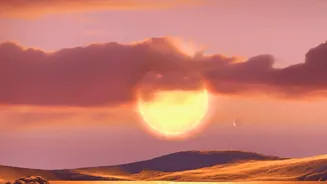
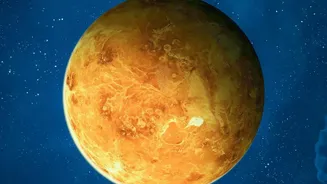
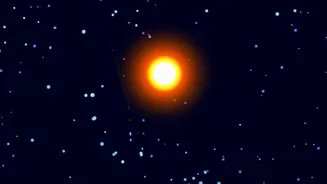
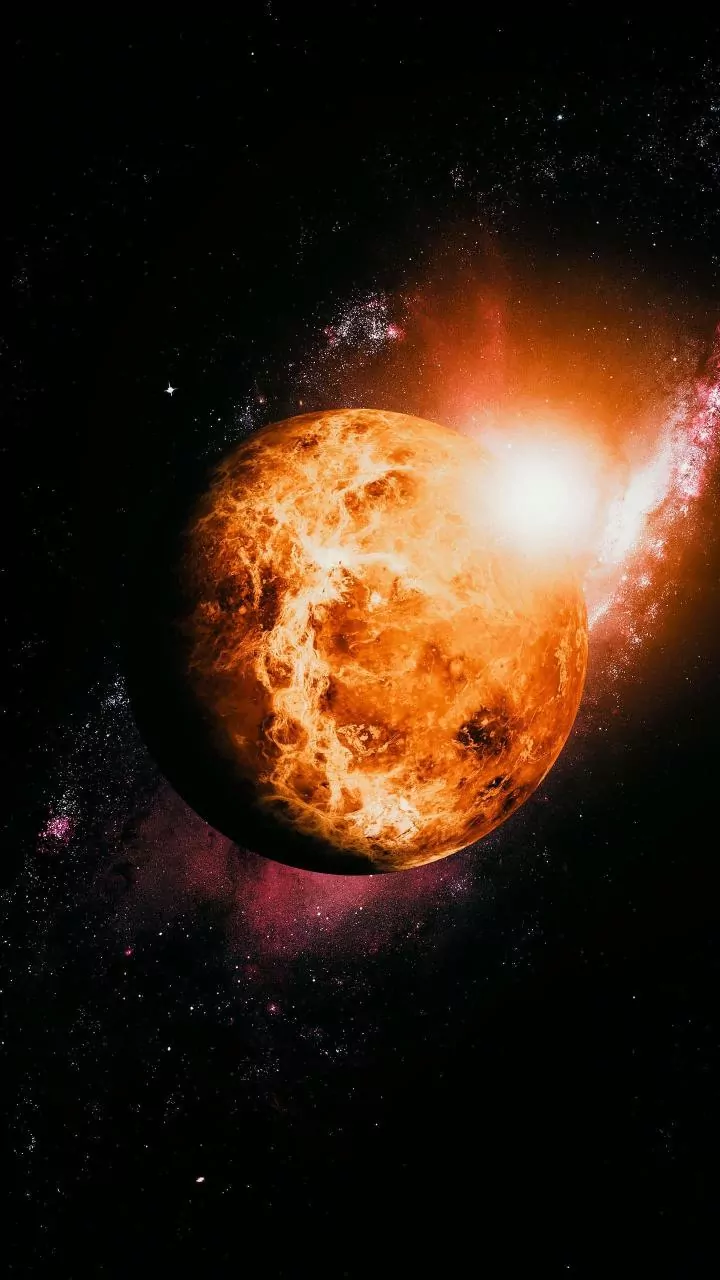
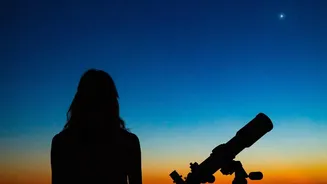
Venus is often called the 'Evening Star' or 'Morning Star' because, from our viewpoint, it always appears close to the sun. Throughout August 2026, it's a brilliant 'Evening Star'. This means you can spot it shining brightly in the western sky shortly
after sunset. It’s the brightest object in the night sky after the Moon, making it incredibly easy to find, even from city balconies. Its intense, steady light makes it stand out from the twinkling stars, offering a perfect introduction to the cosmos for children and adults alike.
When and Where to Look
The best time to look for Venus is during twilight, right after the sun has dipped below the horizon. Find a spot with a clear view of the western sky. As the sky darkens, Venus will emerge as a powerful, unblinking point of light. Throughout the rest of August, you can continue to watch it. You might even notice its position changing slightly each night as it moves across the constellation Virgo, getting closer to the bright star Spica. This nightly movement is a fantastic, real-time lesson in planetary orbits.
What You Need (and Don't Need)
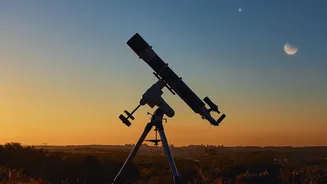
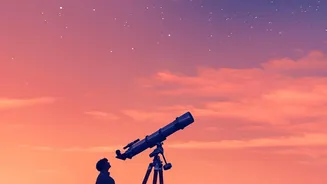
The best part about Venus-gazing is its accessibility. You don’t need an expensive telescope. Your eyes are the most important tool you have. Just find a comfortable spot, perhaps a terrace, a local park, or even a window with an unobstructed view. Give your eyes about 20-30 minutes to adjust to the darkness, away from bright phone screens or room lights. This will help you see not just Venus in its full glory, but also other fainter stars nearby. If you have a pair of binoculars, bring them along. While not essential, they can enhance the view and might even reveal that Venus has phases, just like our Moon.
A Touch of Sky Lore
For thousands of years, Venus has captivated observers. In Indian culture and astrology, Venus is known as Shukra, representing love, beauty, and wealth. Sharing these stories can add a rich cultural layer to your stargazing session, connecting the science of the skies with age-old traditions. It’s a wonderful way to spark conversations with children about how different cultures have looked at the same sky and interpreted it in their own unique ways.
Making It Fun for the Family
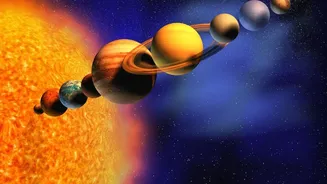
To make the experience more engaging for kids, turn it into a celestial treasure hunt. Challenge them to be the first to spot Venus as dusk settles. You can use a stargazing app on your phone (with the screen dimmed or in red-light mode) to identify other nearby objects like the star Spica. You could also keep a small 'sky journal' to draw Venus and any nearby stars, noting how its position changes over a few nights. Discussing fun facts, like how Venus is the hottest planet in our solar system or how a day there is longer than its year, can make the experience both memorable and educational.