
Signs Your Plant Is Overcrowded
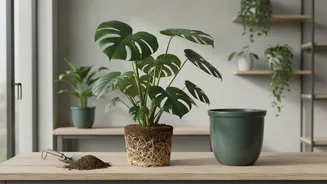
Before you can solve the problem, you need to spot it. A crowded, or 'root-bound', plant sends out several distress signals. The most obvious sign is roots peeking out of the drainage holes at the bottom of the pot. You might also see them pushing up
through the topsoil. Another common symptom is that water seems to run straight through the pot when you water it; this happens because the dense mass of roots leaves little soil to absorb moisture. This can lead to the plant wilting or showing yellow leaves even with regular watering, as it can't absorb the water and nutrients it needs. Stunted growth, where new leaves are small or don't appear at all during the growing season, is another clear indicator that your plant has run out of space.
The 'Bigger Is Better' Myth
So, your plant is crowded. The solution must be a much bigger pot, right? Not so fast. Moving a plant into a pot that is too large is a common mistake called 'overpotting', and it can be more harmful than helpful. A large volume of soil around a small root ball will hold excess moisture for too long. The plant's roots, unable to absorb all that water, are left sitting in soggy, waterlogged soil. This environment cuts off oxygen and creates a breeding ground for fungus and bacteria, leading to the dreaded root rot, which can ultimately kill your plant. Instead of focusing on producing lush leaves, a plant in a pot that’s too big will expend its energy trying to fill the vast new space with roots, often resulting in slow or spindly top growth.
The Correct Way to Repot
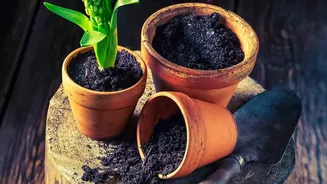
The goal of repotting isn't just to provide more space, but to provide the right amount of space and fresh nutrients. Generally, you should only choose a new pot that is about 1-2 inches larger in diameter than the old one. This provides enough room for growth without the risks of overpotting. When you're ready, gently slide the plant out of its current container. If it’s stuck, tapping the sides and bottom can help loosen it. Once it's out, inspect the root ball. Instead of placing the tangled mass directly into the new pot, gently massage the roots to loosen them. If they are very tightly wound, you may need to 'un-circle' them with your fingers to encourage them to grow outwards into the new soil. Place a layer of fresh potting mix in the new pot, position your plant, and fill in the sides with more soil, ensuring the plant sits at the same depth it did previously.
When to Prune the Roots
For severely root-bound plants where the roots are a dense, woody mass, simple loosening might not be enough. This is where root pruning comes in. It sounds scary, but it's a healthy way to manage an overgrown root system. After removing the plant from its pot, use a clean, sharp knife or shears to make a few vertical cuts down the sides of the root ball. You can also trim off the bottom third of the root mass. This action breaks up the circling pattern and stimulates fresh, healthy root growth once repotted. Be sure to remove any roots that look brown, black, or mushy, as these are likely dead or rotting. This technique allows you to refresh the soil and manage the plant's size, sometimes even allowing you to replant it in the same pot with new soil.
Consider Dividing Your Plant
For many popular houseplants that grow in clumps, such as snake plants, peace lilies, and ferns, overcrowding is a sign that it’s time to divide. Division is the process of separating a large plant into two or more smaller ones. After removing the plant from its pot, you can often gently pry the clumps apart with your hands. For tougher root balls, a clean, sharp knife can be used to slice through the root mass, ensuring each new section has a healthy portion of both roots and leaves. Each of these new divisions can then be potted up into its own appropriately sized container. This not only solves the overcrowding issue but also gives you new plants to expand your collection or share with friends—a rewarding bonus for good plant care.