








Choose Monsoon-Ready Movers
Your first step is to hire the right help. Not all packers and movers are equipped for the challenges of a rainy-season relocation. When vetting companies, ask specific questions about their monsoon protocols. Do they use waterproof packing materials
like plastic wrap and water-resistant boxes? A reliable company should offer multi-layer packing for sensitive items. Crucially, insist on a closed-body, waterproof truck. An open or partially covered vehicle is a significant risk. Book well in advance, as experienced, monsoon-ready movers are in high demand and get booked out weeks ahead. Be wary of any company that seems unprepared for these questions; it's a sign they may not be the right fit for a rainy day move.
Master the Art of Timing
Timing is about more than just picking a date. During monsoon, it's about picking the right window of time. Keep a close eye on the weather forecast in the week leading up to your move. If possible, schedule your move for a day with a forecast of lighter rain. Plan to start early in the morning, as rainfall is often less intense, and traffic is lighter, which is especially important in cities prone to waterlogging. Building buffer time into your schedule is also essential. Rain can cause unexpected delays, from slower traffic to the need for more careful loading and unloading. A move that might take three hours in dry weather could easily stretch to five or six in a downpour.
Waterproof Your Belongings
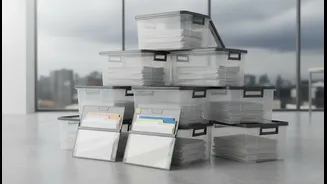
Proper packing is your best defence against water damage. Standard cardboard boxes become weak and unreliable when damp. For critical items, use plastic bins with secure lids. For everything else, insist on a multi-layered approach. All furniture, especially pieces made of wood or with upholstery, should be wrapped in plastic sheeting or stretch wrap. Mattresses need heavy-duty waterproof covers. For electronics, double-wrapping is key. Use anti-static bubble wrap first, then a sealed plastic layer. Small silica gel packets placed inside boxes with electronics, books, or documents can absorb ambient moisture and prevent fungal growth.
Prepare Both Locations
The chaos of moving in the rain can take a toll on both your old and new homes. Protect your floors. Lay down old blankets, towels, or plastic sheeting in high-traffic areas and entryways to absorb water and prevent muddy footprints. This also reduces the risk of slips and falls on slick surfaces. If you can, create a covered staging area near the door, like in a garage or under a temporary tarp, to minimize the time your belongings are exposed to direct rain while being loaded onto the truck. Before the moving truck arrives at your new home, do a quick check for any obvious leaks, especially around windows and ceilings.
Conduct Rigorous Damage Checks
Do not wait until everything is unpacked to check for damage. As items are unloaded from the truck, inspect them for any signs of water exposure. Check the bottoms of boxes to see if they are damp or have softened. Wipe down any furniture that got wet during transit before bringing it inside, and allow it to air dry thoroughly before placing it against a wall. Pay special attention to electronics; if a box feels damp, do not plug the device in immediately. Let it acclimatise and dry out completely. Document any damage immediately by taking clear photographs. This is crucial if you need to file an insurance claim with the moving company later.