









The Rise of the 'Paw-some' Economy
The Indian pet care market is experiencing explosive growth, transforming from a niche sector into a multi-billion dollar industry. This boom is fuelled by a significant cultural shift, often called the 'humanization of pets', where owners increasingly
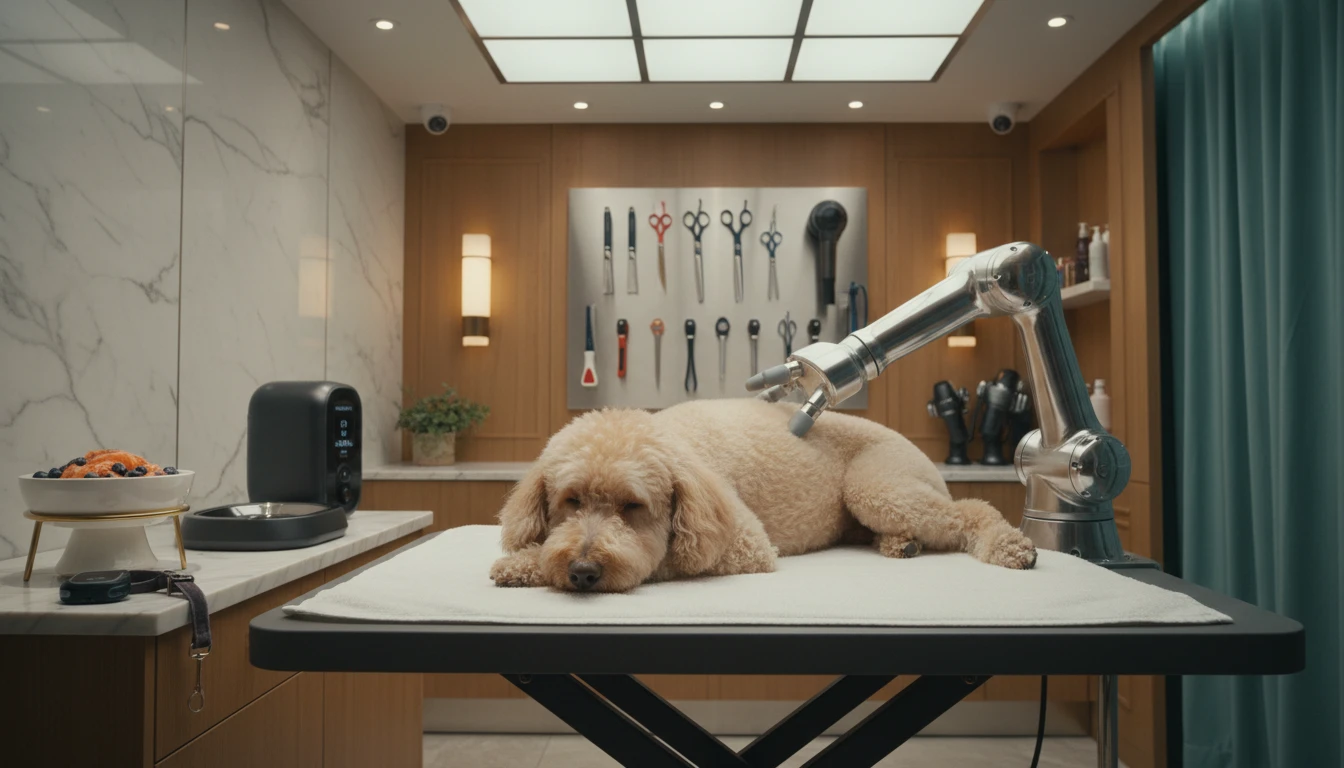
see themselves as 'pet parents'. This emotional bond is reshaping spending habits across urban India. The market, valued in the billions, is projected to grow substantially by the early 2030s, driven by rising disposable incomes and the increasing number of nuclear families seeking companionship. The result is a surge in demand for premium products and services that go far beyond basic necessities. This includes everything from grain-free, breed-specific diets and organic treats to professional grooming, luxury boarding facilities, and even pet-friendly travel services.
A New Leash on Adoption?
With millions of stray dogs and cats on India's streets and in overwhelmed shelters, the most responsible choice would seemingly be to adopt. Adoption is not only an act of compassion but also significantly more affordable, with initial costs being a fraction of those for a purebred animal. However, the premium economy presents a complex picture. While the 'pet as family' mindset could foster greater empathy for all animals, the data suggests otherwise. A recent survey revealed that adoption rates from shelters are dismally low, with only 6% of dogs and 4% of cats being adopted from shelters. In contrast, a significant percentage are acquired from pet shops and breeders, suggesting the premium trend may fuel demand for specific, often expensive, pedigreed animals rather than encouraging the adoption of equally loving indie pets. The allure of a particular breed, often amplified by social media, can overshadow the urgent need to provide homes for abandoned animals.
The High Cost of Unconditional Love
The emotional bond with a pet can easily lead to emotion-led overspending. While buying a designer leash or a fancy bed might seem harmless, the true financial commitment runs much deeper. The recurring monthly cost of owning a pet in India can range from a few thousand rupees to well over ₹15,000 for a premium lifestyle, depending on the pet's size and needs. These expenses include high-quality food, regular grooming, parasite prevention, and toys. However, the real financial strain often comes from unplanned veterinary expenses. An emergency surgery or treatment for a chronic illness can cost anywhere from ₹20,000 to over ₹1,00,000. These sudden, high costs can derail a household budget, forcing many to make difficult decisions or dip into savings. Without careful planning, the joy of pet ownership can quickly become a source of financial anxiety.
From Impulse Buys to Financial Plans
Paradoxically, the high cost associated with the premium pet economy might be the very thing that pushes owners towards more responsible financial planning. The growing awareness of steep veterinary bills has led to a rise in the popularity of pet insurance in India. Once considered a niche product, pet insurance is now seen as an essential tool for managing unpredictable healthcare costs. Policies can cover expenses from accidents, illnesses, and surgeries, turning a potential financial crisis into a manageable, budgeted expense. This shift indicates that as owners invest more emotionally and financially in their pets, they are also beginning to recognize the need for a structured financial safety net. Budgeting for a pet is no longer just about monthly food bills, but about long-term planning, including creating emergency funds and securing insurance.