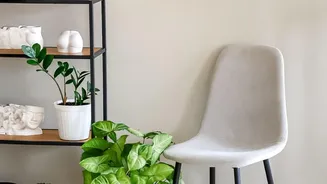

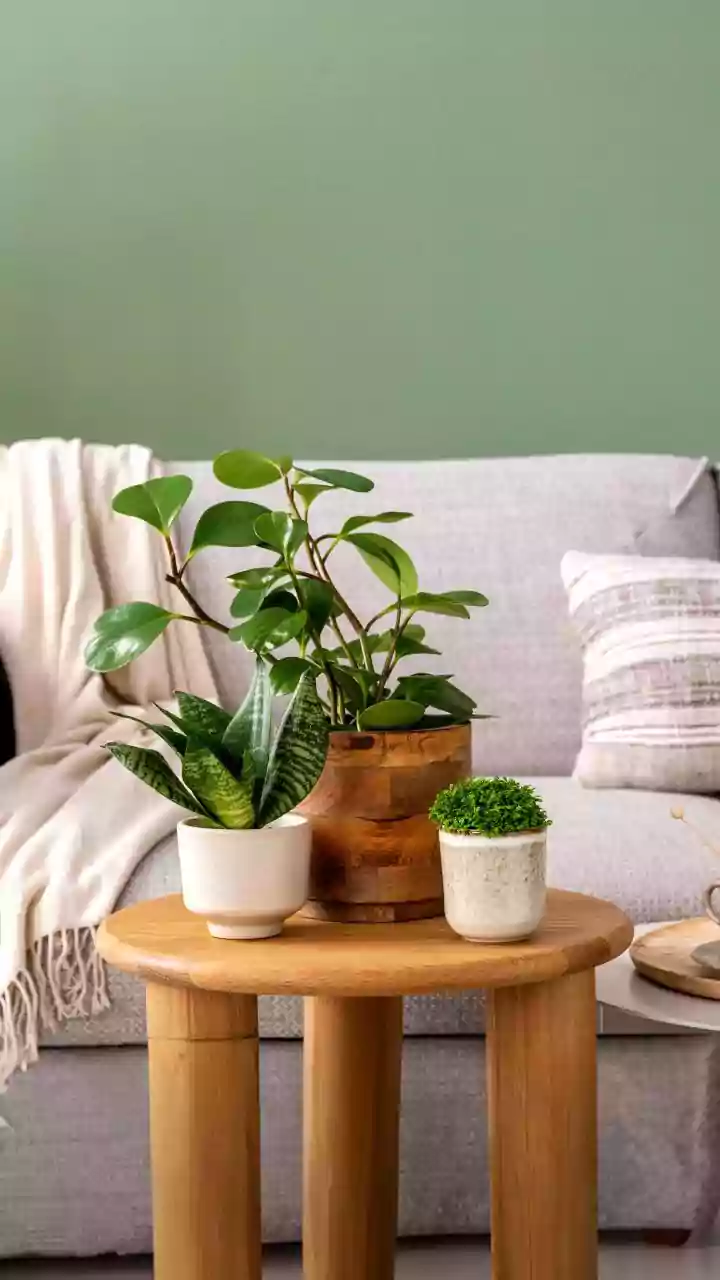
What is 'Slow Decorating'?
First, let's define the term. Much like the slow food or slow fashion movements, slow decorating is the antithesis of instant makeovers and mass-produced trends. It’s a philosophy that encourages a more intentional, personal, and sustainable approach
to creating a home. Instead of rushing to fill a space for the sake of completion, the goal is to gradually curate a collection of items that are meaningful, high-quality, and built to last. This method is less about achieving a specific 'look' overnight and more about telling your own story over time, allowing your home to reflect your life's journey and evolving needs. It's about buying fewer, better things and prioritizing craftsmanship and authenticity over fleeting styles.
The Problem with the Picture-Perfect Room
We’ve all been there: you see a stunning room in a magazine or on social media and want to replicate it. The problem is that these spaces are often styled for a photo, not for daily life. Fast decorating often leads to impulse buys and choices that don't hold up to the realities of your routine. That gorgeous but impractical light-colored sofa might not be the best fit for a family with young children or pets, and that sleek, minimalist console table offers no solution for the inevitable pile of mail and keys. When we prioritize aesthetics over function, we often end up with rooms that look good but are frustrating to live in. The core of slow decorating is understanding that a truly successful design must support your lifestyle, not fight against it.
Become a Detective in Your Own Home
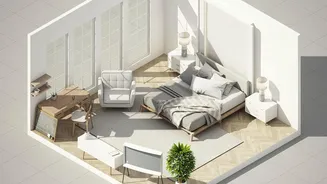
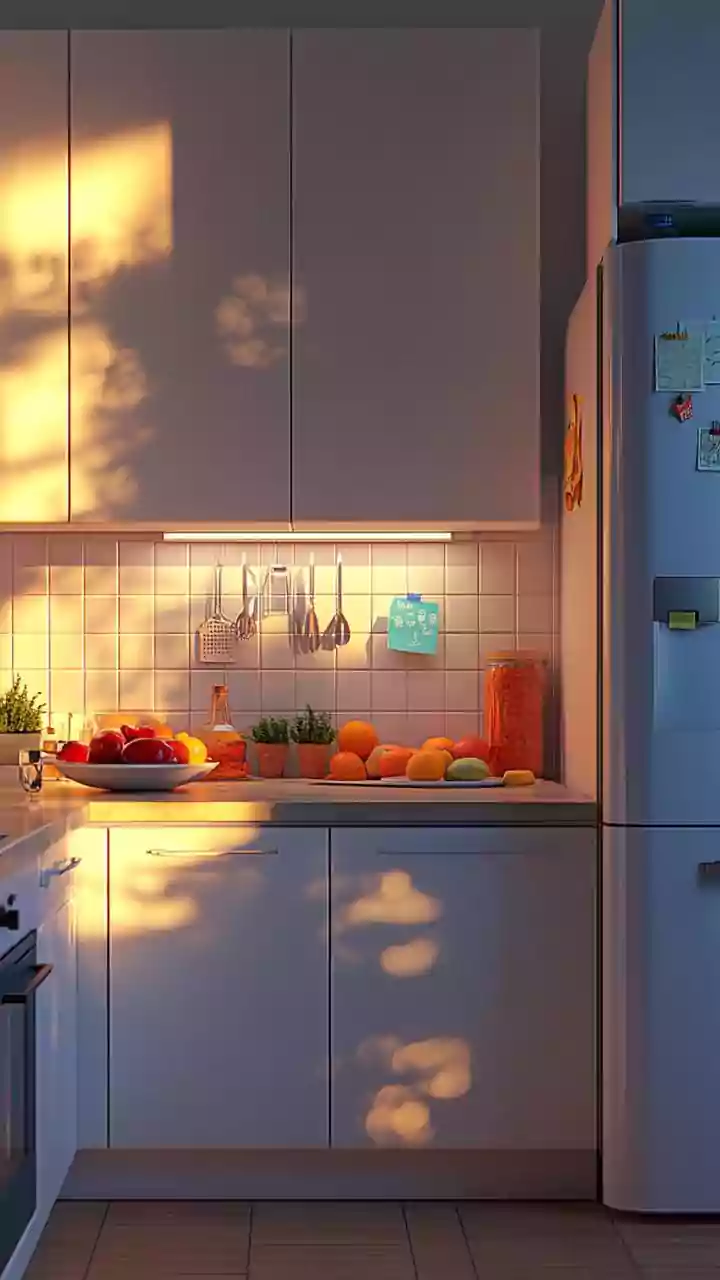
This is where the 'learning' part comes in. Before buying a single new item, take time to simply live in and observe your space. This requires you to become a detective of your own habits. Where does sunlight fall in the morning, suggesting the perfect spot for a reading nook? Where does clutter consistently pile up, signaling a need for a specific storage solution? Notice the natural traffic flow from one room to another. How do you and your family actually use the living room? Is it for quiet evenings, or is it a high-traffic zone for play and socializing? By taking time to analyze your routines, you gather essential data that will inform every design decision you make, ensuring it’s tailored to your real life.
Letting Function Guide Your Form
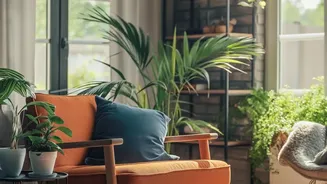
Once you have these observations, you can begin to make choices that blend style and practicality. That corner where backpacks are always dropped needs a functional and durable set of hooks and a bench, not just a decorative vase. The area that gets the best evening light is calling for a comfortable armchair and a small side table. Instead of buying a generic bookshelf to fill a wall, your observation might reveal you need a combination of open shelving for display and closed cabinets to hide clutter. This function-first approach doesn't mean sacrificing beauty; it means choosing beautiful things that also work brilliantly. It's about finding an ergonomic chair that is also stylish or a storage ottoman that provides both seating and a place to stash blankets.
Creating a Home That Lasts
Combining the principles of slow decorating with a deep understanding of your space leads to a home that feels authentic, comfortable, and deeply personal. It's a move away from the disposable and toward the durable. The 2026 interior landscape is leaning into this soulful, intentional approach, favoring natural materials, artisanal pieces, and layouts that serve a real purpose. Your home becomes a living journal of your life, filled with items collected over time that have meaning. This process might take longer, but the result is a space that not only looks good but also enhances your daily life, providing a sanctuary that truly feels like it was made just for you.