




Bhutta (Roasted Corn on the Cob)
The quintessential monsoon street snack, the sight of a vendor roasting corn over hot coals is a core memory for many. The corn is charred until tender, then rubbed generously with lemon, salt, and chilli powder. This smoky, spicy, and tangy delight isn't
just about nostalgia. Corn is a seasonal crop harvested during the monsoon and is packed with fibre, which aids digestion—a common concern during this season.. Its natural warmth and nutrient profile, including essential minerals and vitamins, help boost immunity when seasonal illnesses are common.. Enjoying a bhutta while watching the rain is a simple, satisfying ritual that defines the season.
Pakoras and Bhajiyas
A cup of hot masala chai and a plate of crispy, deep-fried pakoras is the undisputed king of rainy-day combinations.. These fritters, made from a gram flour (besan) batter and featuring anything from sliced onions and potatoes to spinach leaves, are a national obsession. There's a scientific reason for the craving: the grey weather can cause a dip in serotonin, and our bodies seek a quick mood lift from warm, carbohydrate-rich foods.. While street-side versions are tempting, home-made pakoras are a safer bet during the monsoon when water-borne illnesses are more prevalent. Enjoy them in moderation, as heavy fried foods can be hard on the digestive system, which is naturally weaker during this time according to Ayurveda..
Masala Chai
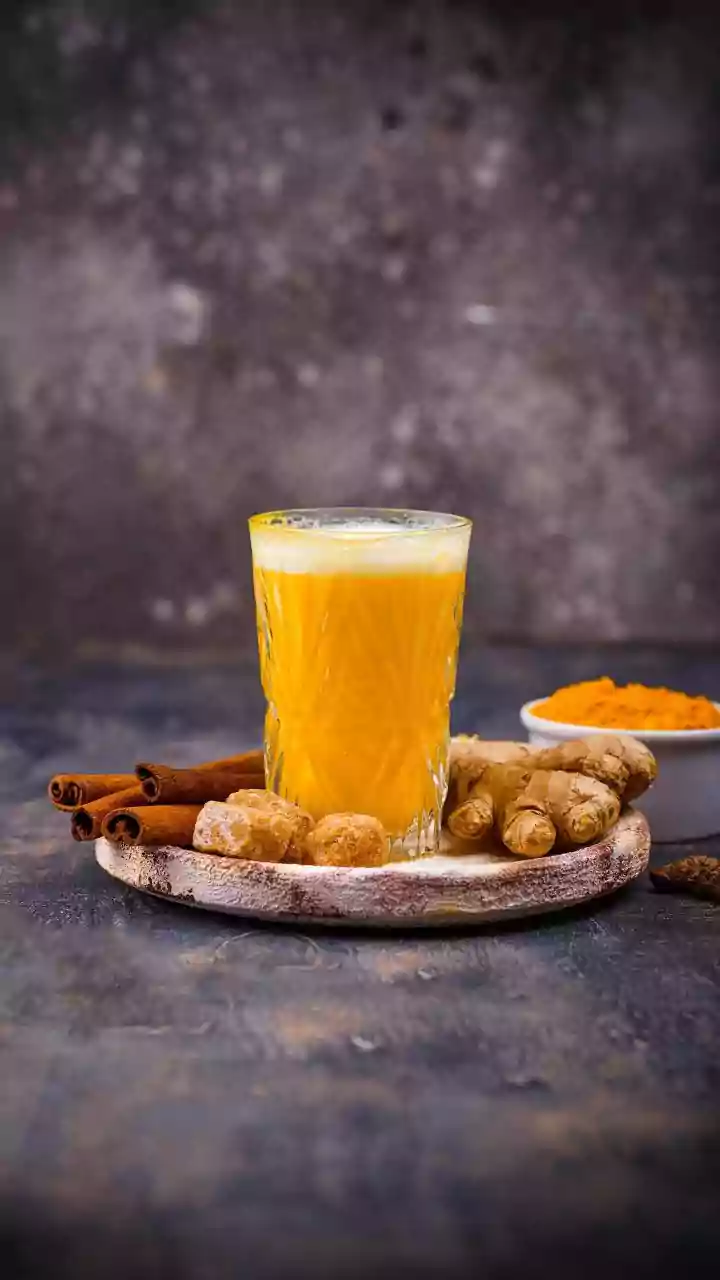
More than just a beverage, masala chai is a warm, fragrant hug in a cup. It's the perfect companion to the cool, damp weather and fried snacks.. The magic lies in its blend of spices, each with its own health benefits. Ginger is known to aid digestion and soothe sore throats, while cardamom, cloves, and cinnamon have anti-inflammatory and antibacterial properties that can help support the immune system.. This spiced tea ritual offers not just warmth and comfort but also a gentle wellness boost, making it an essential part of the monsoon experience.
Khichdi
When the rain is relentless and you crave something deeply comforting, nothing beats a bowl of khichdi.. This one-pot dish of rice and lentils (usually moong dal) is the embodiment of simple, nourishing home cooking. According to Ayurvedic principles, digestion slows down during the monsoon, making it important to eat light, warm, and easily digestible meals.. Khichdi fits this description perfectly.. It's a balanced meal providing carbohydrates and protein, and a dollop of ghee on top adds healthy fats and aids digestion. It's gentle on the stomach, helps balance the body, and can be customized with mild spices and seasonal vegetables..
Seasonal Fruits like Jamun
The monsoon brings its own bounty of fruits, and Jamun (Indian Blackberry or Java Plum) is a standout star. This deep-purple fruit has a unique sweet and tart flavour and is available in abundance during this time.. Jamun is celebrated in Ayurveda for its numerous health benefits. It is packed with Vitamin C and antioxidants like anthocyanins, which help boost immunity and protect the body from infections that are common during the rains.. Its fibre content aids digestion, and it is also known to be good for maintaining healthy blood sugar levels..
Warm Soups and Shorbas
A steaming bowl of soup or a light Indian shorba is another excellent way to stay warm and healthy during August. Soups are hydrating and easy on the digestive system.. A classic tomato shorba, spiced with cumin and ginger, is rich in Vitamin C, while a dal shorba made from lentils is packed with protein.. These light, brothy preparations, often featuring immunity-boosting ingredients like garlic, ginger, and turmeric, are both comforting and medicinal, providing the perfect antidote to the damp chill of a rainy day..
Seasonal Vegetables
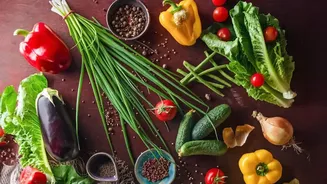
Ayurveda advises against eating too many raw leafy greens during the monsoon due to the high risk of germs and the difficulty in digesting them.. Instead, the season calls for cooked vegetables, particularly gourds like lauki (bottle gourd), turai (ridge gourd), and karela (bitter gourd), as well as pumpkin and okra (bhindi).. These vegetables are light, easy to digest, and have a high water content. Cooking them in stews, soups, or as simple sabzis helps keep the digestive system healthy and provides essential nutrients without overburdening it..