
What Exactly is Slow Decorating?
At its heart, slow decorating is the mindful and intentional curation of your living space. It’s the antithesis of rushing to fill a room with mass-produced items just to feel 'done'. Emerging as a significant trend for 2026, this approach encourages
you to take your time, invest in fewer but higher-quality pieces, and select items that tell a personal story. Drawing inspiration from the slow food movement, it prioritises sustainability, craftsmanship, and longevity over fleeting fads. The goal is to create a layered, soulful home that genuinely reflects who you are, not a catalogue page. It’s about building a space filled with items you truly love and that will stand the test of time.
The Art of Building a Room in Stages
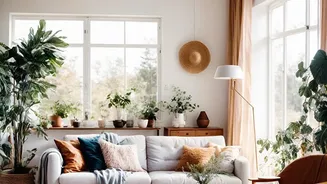
A core principle of slow decorating is the idea of building a room in phases. Instead of a complete overhaul in one weekend, you allow the space to develop organically. This process starts with living in the room and getting a feel for its natural light and flow. You begin by establishing the 'bones'—essential, high-quality pieces like a good sofa, a sturdy bed frame, or a solid wood dining table that will serve you for years. From there, you add layers over time. You might find the perfect armchair months later, discover a unique piece of art on your travels, or inherit a cherished heirloom. This phased approach lets you make more considered decisions, ensuring each new item has a purpose and a place, contributing to a cohesive and deeply personal environment.
The Benefits Go Beyond the Budget
While decorating in stages is certainly easier on the wallet, its advantages are far more profound. Firstly, it dramatically reduces the stress and overwhelm that often accompany a major renovation. By taking your time, you are less likely to make impulse buys you later regret. This leads to a home filled with more meaningful objects and higher-quality craftsmanship. The result is a space that feels more authentic and timeless, avoiding the trap of becoming quickly outdated by passing trends. Furthermore, this intentional consumption is inherently more sustainable, moving away from a throwaway culture toward one of longevity and conscious choices. Ultimately, it fosters a deeper connection with your home, turning it into a sanctuary that supports your well-being.
How to Embrace a Slower Pace
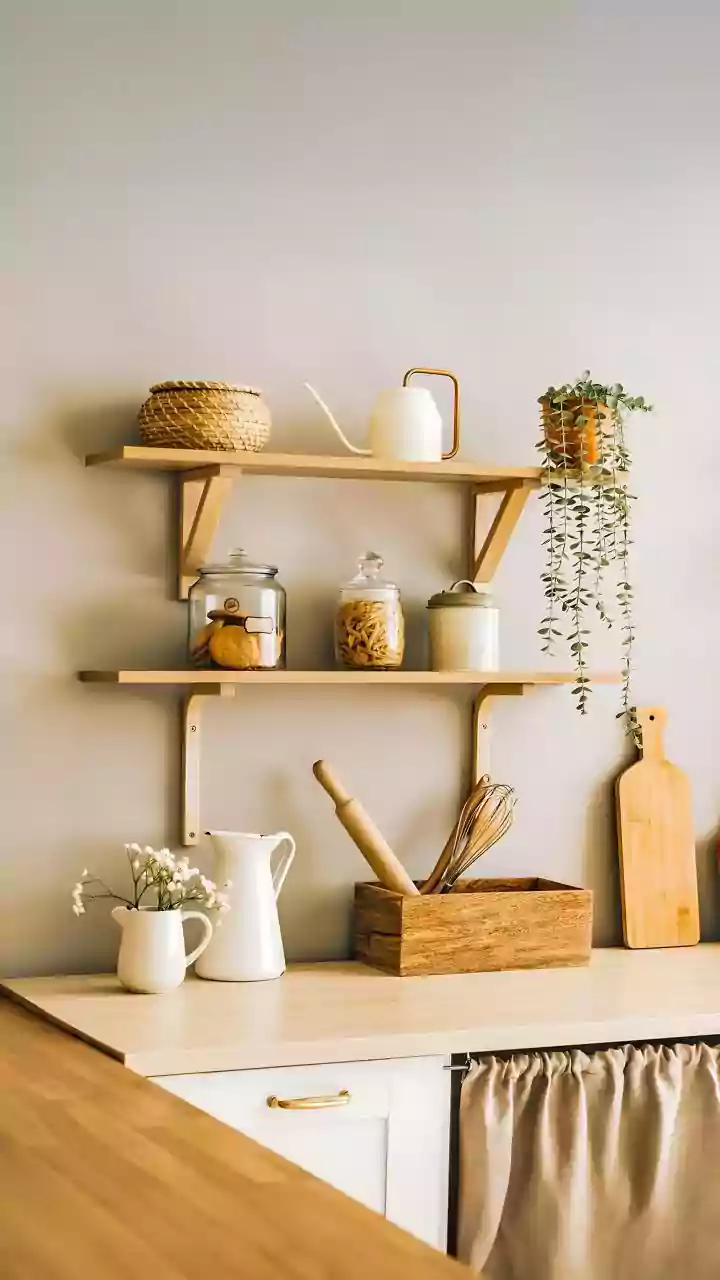
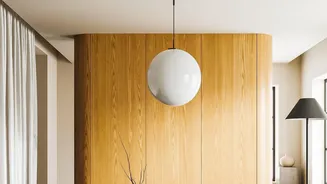
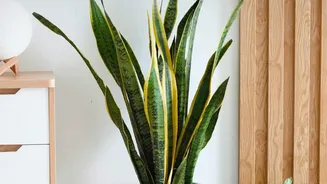
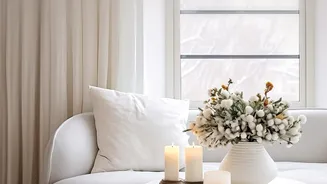
Getting started with slow decorating is more about shifting your mindset than following a strict set of rules. Begin by letting go of the pressure to have a perfectly finished home immediately. Live in your space and observe what it truly needs; pay attention to its functionality and your daily routines. Prioritise investing in foundational, timeless furniture pieces built to last. Then, embrace the hunt for unique items from local artisans, vintage shops, or while travelling. Mix old with new to create a sense of history and character. Finally, focus on natural materials and textures like wood, linen, and handmade ceramics to add warmth and authenticity to your space, creating a calming and restorative atmosphere.