




A New Lifeline for the Konkan
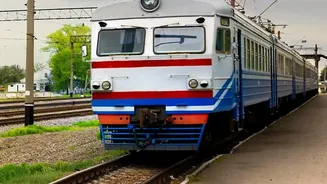
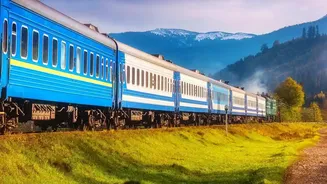
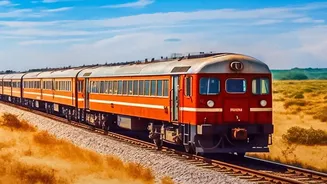
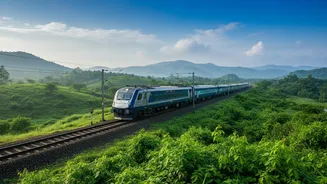
Indian Railways recently approved a new daily express service connecting Chhatrapati Shivaji Maharaj Terminus (CSMT) in Mumbai with Sawantwadi Road in the southern Konkan. This isn't just another train on the schedule; it's a significant upgrade in regional
connectivity. The service, operating as train numbers 15087 and 15088, will make 22 stops at key towns like Panvel, Chiplun, Ratnagiri, and Kudal, transforming access for a huge number of commuters, students, traders, and tourists. For decades, travel along this busy corridor has been a challenge, with heavy reliance on road transport or limited train services. This new daily express promises not only to ease the passenger load but also to stimulate economic activity by providing a reliable link between Maharashtra's financial capital and its coastal heartland.
More Than Just a Train
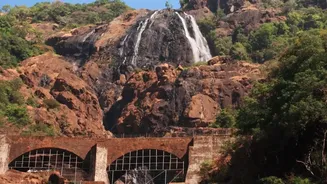
The true significance of the Mumbai-Sawantwadi line lies beyond its timetable. It serves as a powerful case study for what happens when we intentionally connect our coastal population centers. The Konkan coast, with its stunning beaches, ancient forts, and lush landscapes, has long held immense tourism potential. However, inadequate connectivity has often kept these destinations out of reach for many, turning what should be a short trip into a long and arduous journey. By strengthening this rail link, the government is not just moving people; it's unlocking economic potential. Local businesses, from homestays in Vengurla to fruit traders in Ratnagiri, stand to gain from the increased flow of visitors and more efficient transport of goods. This is a model of development that builds on existing strengths, empowering local communities rather than bypassing them.
The Blueprint for India's 7,500km Coastline
Now, imagine this model replicated across India's vast 7,517-kilometer coastline. From the fishing villages of Gujarat to the temple towns of Tamil Nadu, countless coastal communities remain isolated due to poor infrastructure. While mega-projects like the Bharatmala Pariyojana's coastal highways are transforming long-distance travel, they often focus on connecting major industrial hubs. The lesson from the Sawantwadi Express is the importance of granular, localized connectivity. This could mean more short-haul rail services, but it should also force a serious review of other transport modes. Coastal shipping and ferry services, for instance, remain a vastly underutilized asset. These options are often cheaper, more energy-efficient, and have a lower environmental impact than road or rail. A robust network of Ro-Ro ferries, water taxis, and small-scale passenger ships could stitch together coastal destinations in a way that highways simply cannot, turning a travel ordeal into a scenic experience.
Challenges and the Path Forward
Of course, expanding coastal connectivity is not without challenges. Insufficient port infrastructure, complex regulations, and a lack of awareness have historically held back modes like coastal shipping. Environmental regulations, particularly in sensitive ecological zones, must be respected to ensure development is sustainable. There is a risk that improved access could lead to unchecked commercialization and strain local resources. This is why a national review is so critical. Instead of a fragmented, project-by-project approach, India needs a cohesive national strategy for coastal connectivity. This strategy should identify key tourism and economic circuits, evaluate the best transport mix for each region—be it rail, road, or sea—and create a framework for sustainable, community-inclusive development. As an example, the Tamil Nadu Maritime Board is already exploring a ferry-based tourism network connecting several key heritage and spiritual sites. Such initiatives need to become the norm, not the exception.