





Nature’s Own Performance Fuel
For years, endurance athletes have been drinking beetroot juice to improve stamina. The magic ingredient isn’t a vitamin or mineral in the traditional sense, but dietary nitrate. When you consume nitrate-rich foods like beetroot, spinach, or rocket, bacteria
in your mouth begin a conversion process. This process ultimately creates nitric oxide (NO) in your bloodstream, a powerful molecule that plays a crucial role in how your body functions, especially under physical stress. Nitric oxide is a vasodilator, meaning it relaxes and widens your blood vessels. This effect helps increase blood flow, lower blood pressure, and, most importantly for athletes, improve the delivery of oxygen to hardworking muscles.
The Science of Oxygen Efficiency
The most significant benefit of increased nitric oxide is the improvement in what scientists call 'exercise economy' or oxygen efficiency. Essentially, your muscles can perform the same amount of work while consuming less oxygen. This is a game-changer. For an endurance athlete, it means being able to run or cycle further and faster before hitting a wall. For a sprinter, the benefits are more nuanced. While a single, short sprint is largely an anaerobic effort, improved oxygen efficiency can have a profound impact on recovery between sprints and during training sets. Better oxygen delivery helps muscles recover faster and can even support cognitive function and reaction time during intense, intermittent exercise.
From Endurance to Explosive Power
While the link to endurance is well-established, recent attention has shifted to how nitrates affect short, explosive efforts. The results here are more complex. Some studies looking at single, all-out sprints over 60 or 100 metres have found no significant improvement in performance time. However, other research focusing on repeated sprints or peak power output tells a different story. Studies have shown that nitrate supplementation can improve peak power during cycling sprints by nearly 4% and enhance performance during repeated high-intensity runs. This suggests the main benefit for sprinters may not be a faster top speed in a one-off race, but a greater capacity to produce and repeat powerful movements during a competition or training session.
Rethinking the Dose
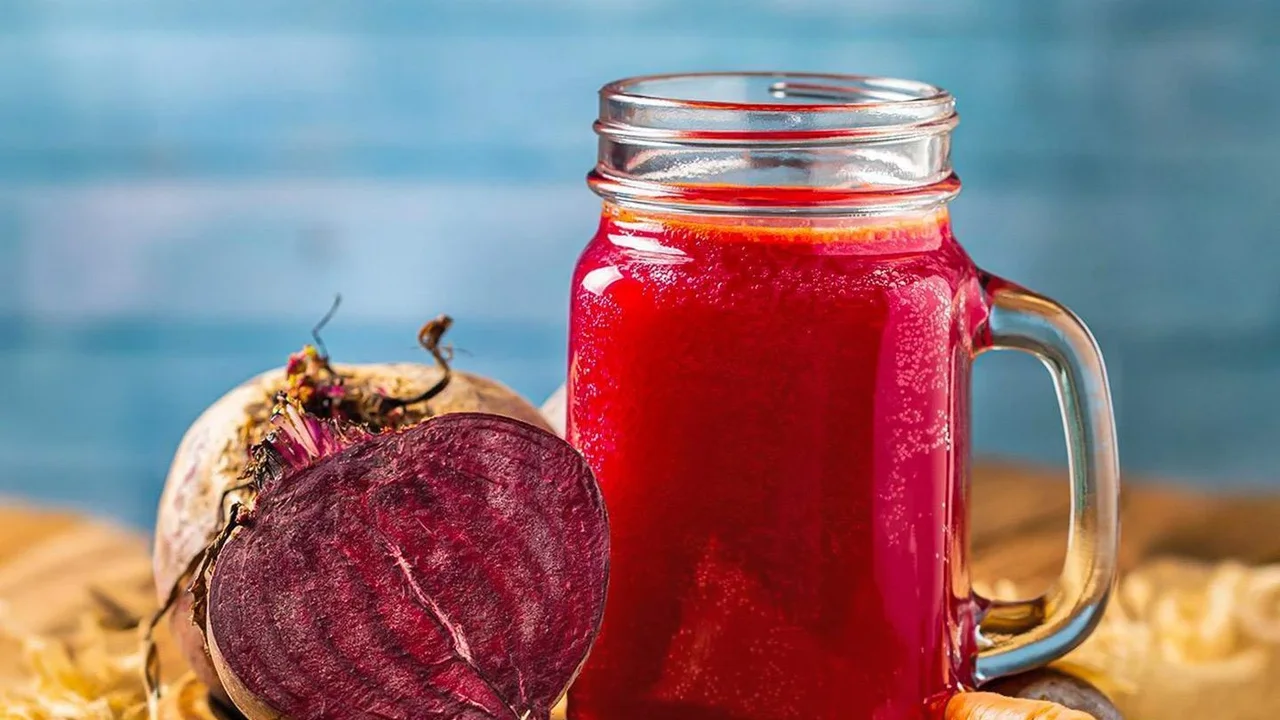
The term 'micro-dosing' might be trendy, but in the context of beetroot nitrate, it's more about finding the optimal dose rather than taking a tiny amount. Research suggests a minimum threshold is required to see consistent benefits, typically around 5-6 millimoles (mmol) of nitrate. The sweet spot for performance enhancement appears to be between 8 and 16 mmol of nitrate, consumed about two to three hours before exercise to allow plasma nitrate levels to peak. This is equivalent to one or two concentrated 70ml beetroot 'shots.' Interestingly, studies also show that consuming more than this amount doesn't seem to provide any additional benefit. So, it's not about mega-dosing, but about hitting a specific, effective window.
The Practical Takeaway for Athletes
So, what does this all mean for someone who trains for speed and power? While chugging beetroot juice probably won't instantly shave a tenth of a second off your 100-metre personal best, the evidence points toward real, tangible benefits. A consistent, optimal dose of nitrate can make your muscles more efficient, improve your ability to repeat high-power efforts, and help you maintain quick decision-making when fatigued. This makes it a valuable tool for training, where the quality of repeated efforts is key to adaptation and improvement. Athletes should also be mindful that using an antibacterial mouthwash can negate the effects, as it kills the oral bacteria needed for the first step of nitrate conversion.