
Venus: The Brilliant Evening Star
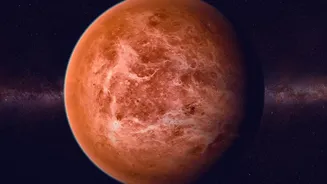
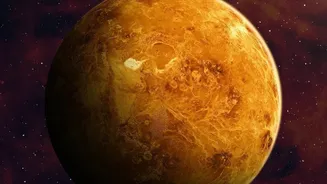
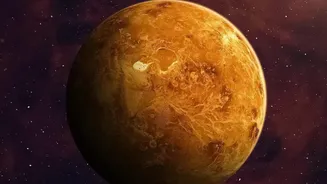
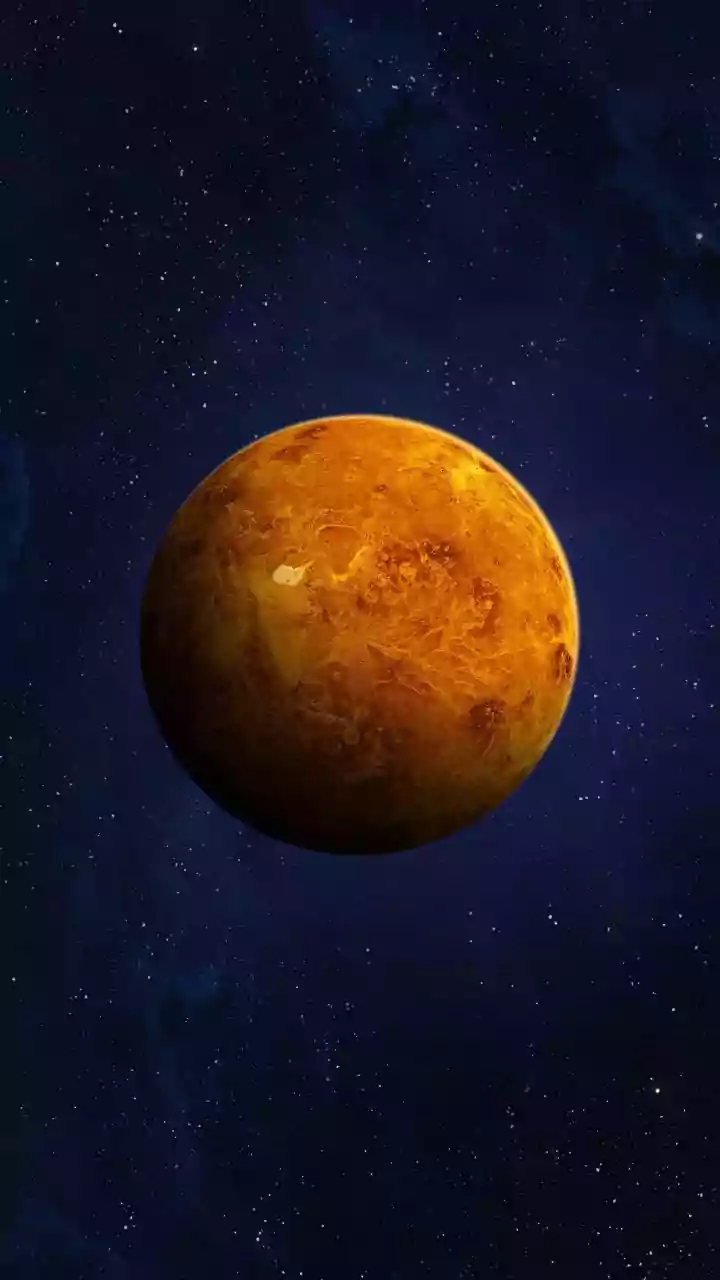
Venus is the undisputed star of the early evening sky this August. Shining with a brilliant, steady light, it's impossible to miss in the west just after sunset. The planet reaches its greatest elongation—its farthest point from the sun in our sky—around
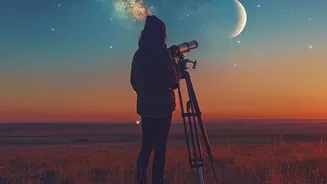
August 15, making it particularly prominent. This means it will linger in the twilight longer, giving you ample time to spot it before it dips below the horizon. On the evening of August 15, look for the waxing crescent Moon to appear near the bright planet, creating a beautiful pairing for skywatchers and photographers alike. You don't need any special equipment; its intense brightness makes it stand out even against the fading colours of dusk.
The Perseid Meteor Shower
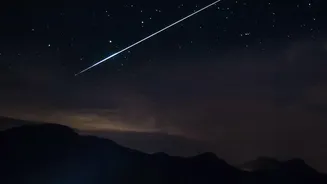
August is famous for the Perseid meteor shower, and 2026 is set to be an exceptional year for viewing. The shower peaks on the night of August 12 and into the early morning of August 13. This year's peak coincides perfectly with a New Moon, which means the sky will be exceptionally dark, offering ideal conditions for spotting shooting stars. The Perseids are particles left behind by the comet Swift-Tuttle, and they burn up in our atmosphere, creating bright streaks of light. Under clear, dark skies away from city lights, you could see between 50 and 90 meteors per hour. For the best view in India, find a dark location, perhaps in a high-altitude region like Ladakh or an arid zone like Rajasthan to avoid monsoon clouds. The best time to watch is after midnight and before dawn, when the shower's radiant point in the constellation Perseus is high in the sky.
A Parade of Morning Planets
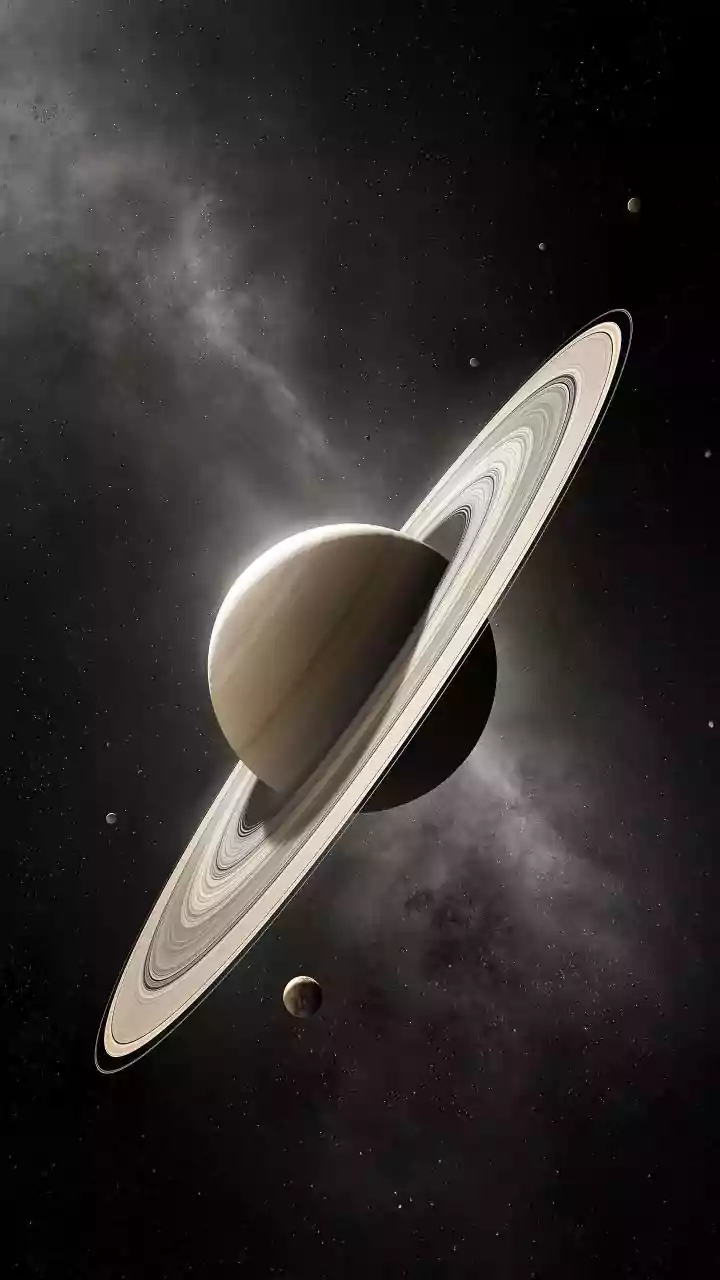
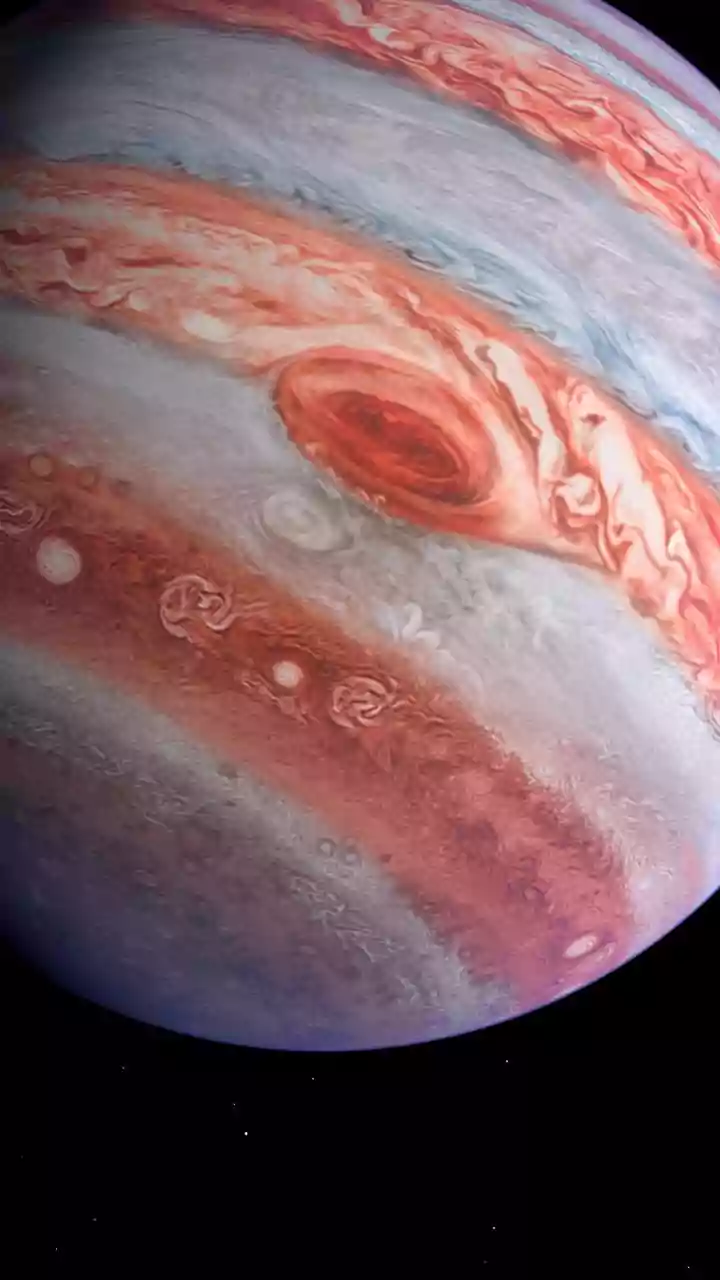
For early risers, the pre-dawn sky in mid-August offers a rare treat: a planetary parade. Around August 12, six planets will be stretched across the morning sky before sunrise: Mercury, Jupiter, Mars, Saturn, Uranus, and Neptune. For observers in India, Mars and Saturn should be fairly easy to spot with the naked eye. Reddish Mars will be visible in the east before dawn, while yellowish Saturn will rise in the evening and remain visible through the night. Mercury and Jupiter will appear very low on the eastern horizon just before sunrise, which may make them challenging to find without a clear view. While Uranus and Neptune will require binoculars or a telescope, spotting the brighter planets lined up is a memorable sight.
A Partial Lunar Eclipse
To close out the month, a significant partial lunar eclipse will be visible from parts of India on August 28. During this event, a portion of the Full Moon will pass through the Earth's darkest shadow, causing that part of the lunar surface to appear noticeably dimmer or reddish. Unlike a solar eclipse, a lunar eclipse is perfectly safe to view with your naked eyes. The full moon of August is traditionally known as the Sturgeon Moon. The eclipse will be a fascinating event to watch as the Earth's shadow creeps across the face of the moon, providing a dynamic and easily observable end to a month full of celestial activity. Check local listings for the precise timing of the eclipse in your city.