






What Exactly Is El Niño?
El Niño is a naturally occurring climate pattern, one phase of the larger El Niño-Southern Oscillation (ENSO). It’s defined by the unusual warming of sea surface temperatures in the central and eastern tropical Pacific Ocean. This change in the ocean's
temperature might seem distant, but it has a powerful domino effect, altering atmospheric circulation and influencing weather patterns across the globe. Historically, El Niño events have been linked to a weaker southwest monsoon in India, which provides about 70% of the country's annual rainfall. These events happen irregularly, typically every two to seven years, and can vary in strength from weak to very strong.
A 'Very Strong' Event on the Horizon
Climate models are indicating a high probability that the current El Niño will intensify into a 'very strong' or even historic event by late 2026. Forecasts from international agencies like the US-based National Oceanic and Atmospheric Administration (NOAA) suggest a high likelihood that ocean temperatures in the key Pacific region will climb significantly above average, potentially surpassing previous record-breaking events. While informal terms like 'super El Niño' are used in the media, official bodies classify events by their strength, and current projections point toward the upper end of that scale. This steady intensification has put governments and humanitarian agencies on alert worldwide.
Potential Impacts for India
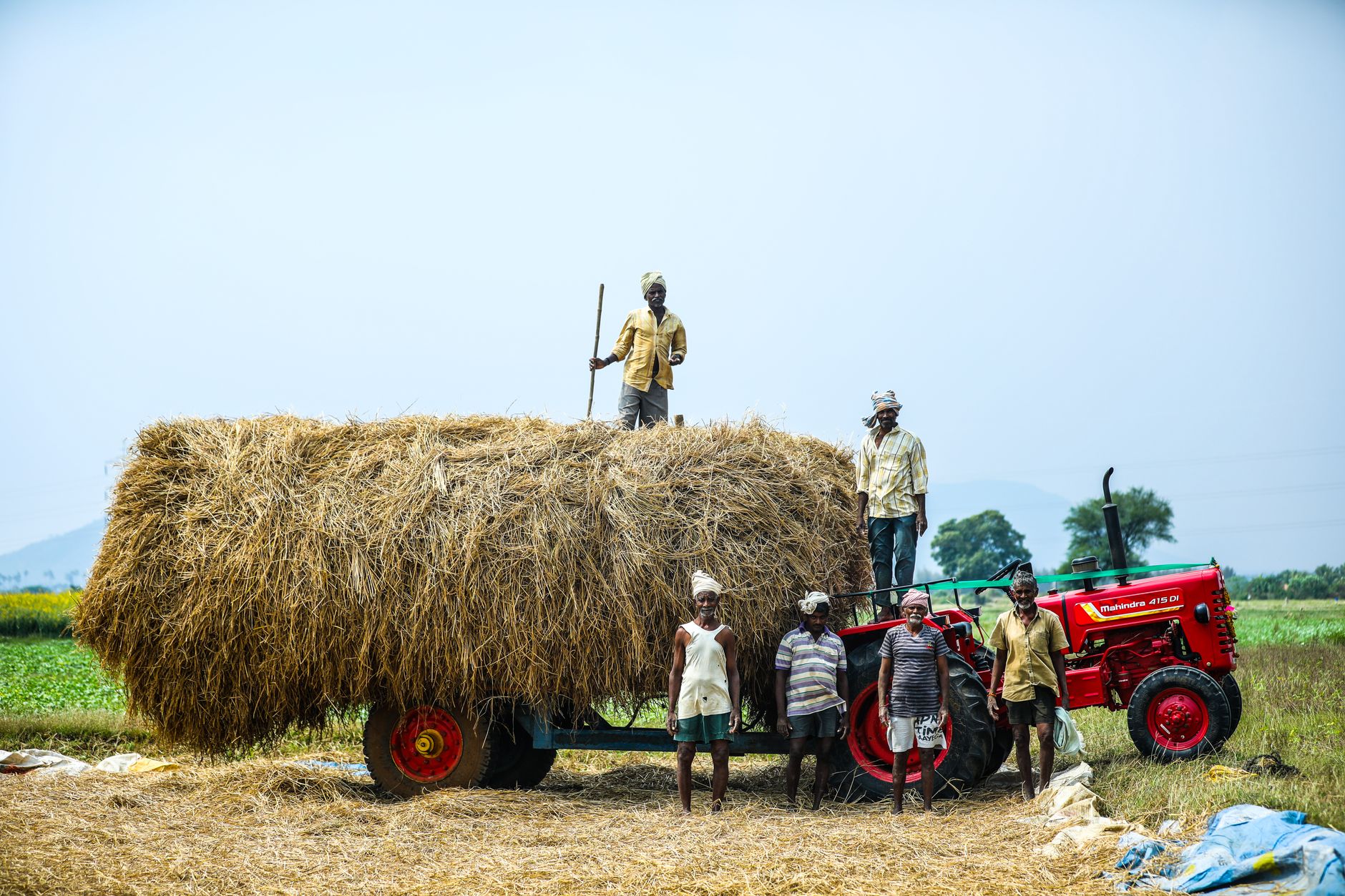
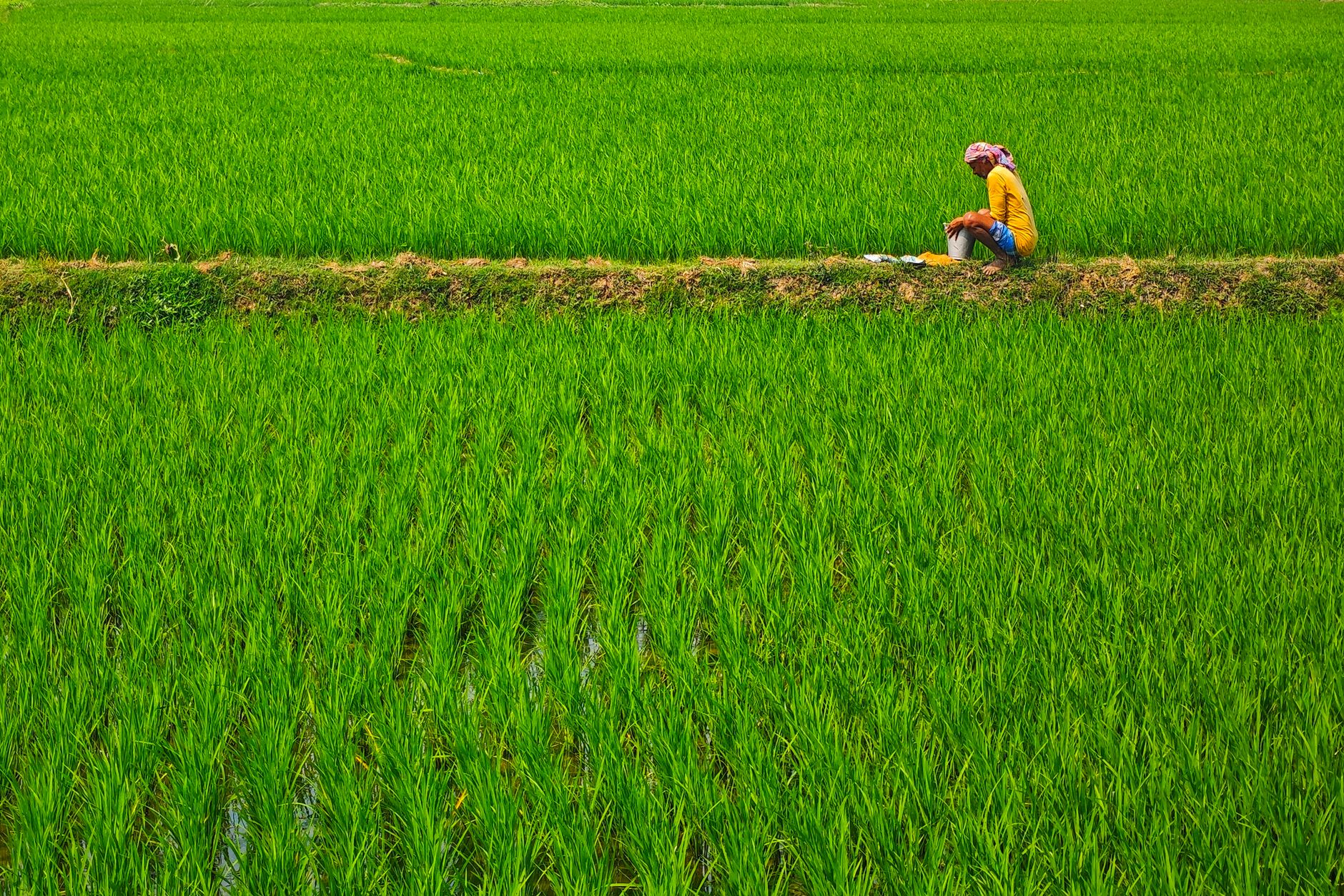
For India, a strong El Niño is a serious concern, primarily due to its connection with below-normal monsoon rainfall. A weakened monsoon directly threatens the Kharif sowing season, as a vast portion of India’s agricultural land is rain-fed. This can lead to lower crop yields, affecting everything from food prices to the broader economy. Beyond the monsoon, strong El Niño events can also lead to more extreme heatwaves in the months leading up to the rainy season. While there isn't a perfect one-to-one correlation—not every El Niño year results in a drought—the association is strong enough to warrant significant concern for India's water resources, agricultural output, and food security.
The Great Uncertainty
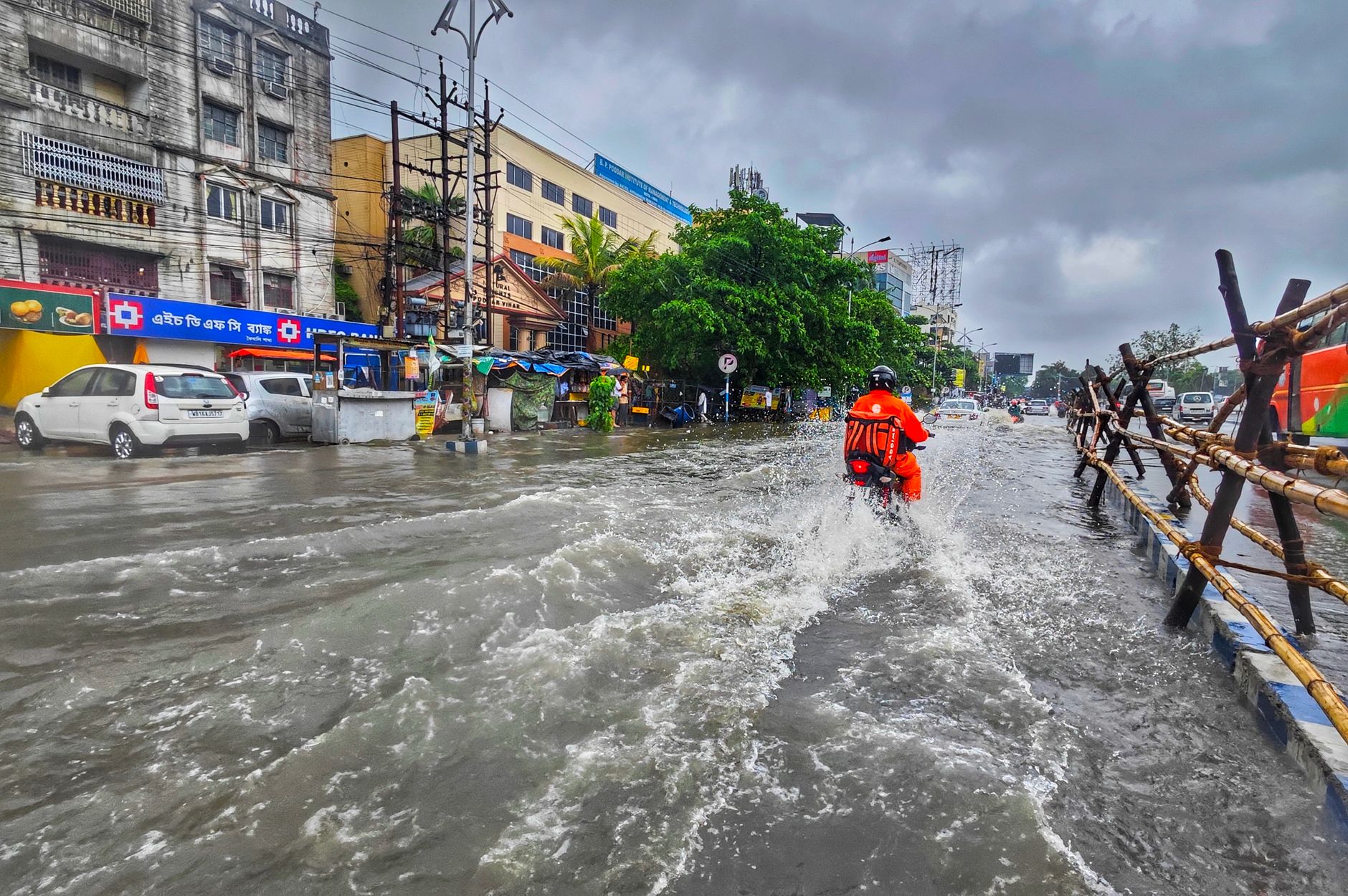
Despite the strong signals, nothing in climate forecasting is guaranteed. One of the biggest uncertainties is how other climate factors will interact with El Niño. Phenomena like the Indian Ocean Dipole (IOD)—a pattern of sea surface temperature variations in the Indian Ocean—can either amplify or counteract El Niño’s effect on the monsoon. A 'positive' IOD, for instance, can sometimes bring better rains to India, potentially offsetting some of El Niño's drying influence. Another element of uncertainty is not just the total amount of rainfall, but its distribution. Some research suggests that El Niño years can feature long dry spells punctuated by intense, extreme rainfall events, which can cause flooding and damage crops, creating a paradox of both drought and deluge. Forecast models have a wide range of potential outcomes, and the eventual impact will depend on this complex interplay of global and regional climate drivers.
Preparing for the Possibilities
The developing El Niño is arriving in a world already warmer due to climate change, which scientists believe could intensify the impacts of any given event. The increased likelihood of droughts, floods, and heatwaves has prompted international organisations like the World Meteorological Organization to call for proactive preparations. For India, this means closely monitoring reservoir levels, preparing contingency plans for agriculture, and managing food stocks to cushion against potential price shocks. Because El Niño’s influence can sometimes lag, impacts could be felt not just during the current monsoon but may also affect the upcoming Rabi crop season and even lead to a hotter-than-usual start to 2027.