


Breaking Down the Research
Scientists are increasingly exploring how our diet impacts brain health, and a recent study from Maastricht University Medical Centre in the Netherlands has put peanuts in the spotlight. The small but rigorous study involved 31 healthy adults aged between
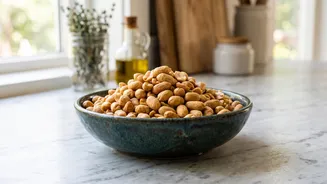
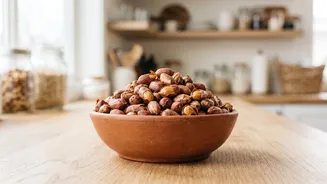
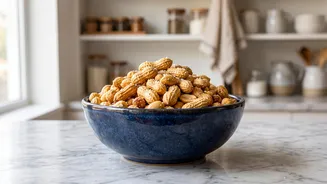
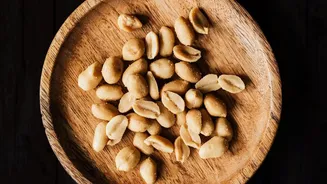
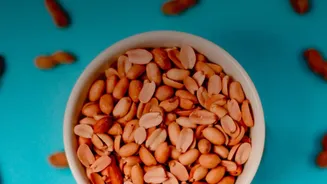
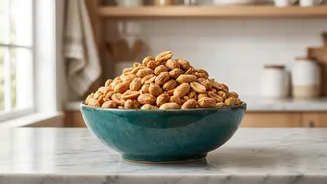
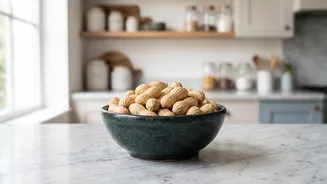
60 and 75. For 16 weeks, these participants consumed 60 grams—about two servings—of unsalted, skin-roasted peanuts each day. They then went through a control period where they ate no peanuts. Using advanced MRI scans, the researchers were able to compare brain function under both conditions, providing a fascinating glimpse into how this common snack affects the aging brain. The specific use of skin-roasted peanuts was intentional, as peanut skins are particularly rich in bioactive compounds.
The Key Finding: Insulin and the Brain
The study's most significant finding wasn't about memory directly, but about a crucial underlying mechanism: insulin responsiveness. While we often associate insulin with blood sugar, it also plays a vital role in the brain, helping nerve cells grow, communicate, and support processes like learning and memory. As people age, the brain can become less responsive to insulin, a change linked to cognitive decline. The research showed that daily peanut consumption improved insulin responsiveness in key memory-related regions of the brain, including parts of the hippocampus. This suggests that peanuts may help keep these neural pathways functioning efficiently. Earlier research by the same team also found that a 16-week peanut regimen increased overall brain blood flow by about 4% and improved verbal memory performance by nearly 6%.
What Makes Peanuts a 'Brain Food'?
The potential benefits are thought to come from the unique nutritional profile of peanuts. They are packed with beneficial compounds, including unsaturated fats, fibre, vitamins, and plant protein. Peanuts are particularly rich in L-arginine, an amino acid the body uses to create nitric oxide, which helps relax blood vessels and improve blood flow throughout the body and brain. Furthermore, peanuts and their skins contain high levels of polyphenols, such as resveratrol. These compounds have antioxidant and anti-inflammatory properties that may help protect brain cells from damage and support vascular health, ensuring the brain gets the oxygen and nutrients it needs to function optimally.
A Realistic Takeaway for Your Diet
So, should you rush out and stock up on peanuts? While the findings are promising, it's important to keep them in perspective. This was a small study, and researchers stress that it does not prove that peanuts can prevent dementia or Alzheimer's disease. However, it does add to a growing body of evidence that dietary choices can support long-term brain health. Sixty grams of peanuts is a moderate portion, but it's also calorie-dense, so it should be incorporated thoughtfully into a balanced diet. The study specifically used unsalted, skin-on roasted peanuts to maximize the intake of beneficial nutrients. Ultimately, experts agree that an overall healthy dietary pattern, like the Mediterranean diet which includes nuts, is more powerful than focusing on any single 'superfood'.