




The Green Queen of Summer
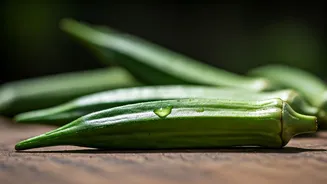
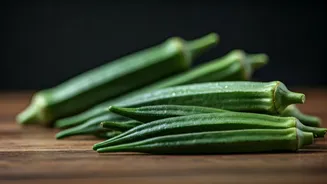
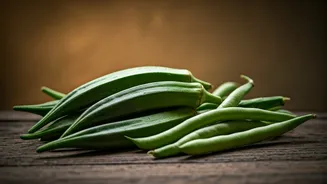
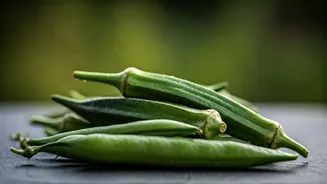
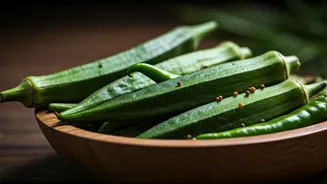
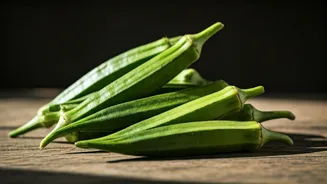
There are few vegetables that command the kind of loyalty that bhindi, or okra, does. For its fans, it’s not just food; it’s a feeling. It’s the star of a simple weekday meal, a crispy side dish that disappears in seconds, and a comforting staple that connects
us to home. From the northern plains to the southern coasts, bhindi is a culinary chameleon, adapting to a staggering variety of spices and cooking styles. Whether it's the hero in a rich, tangy gravy or sliced thin and fried to a crisp, its unique texture and mild, grassy flavour make it an irreplaceable part of the Indian kitchen. The arrival of peak bhindi season, when the pods are at their most tender and flavourful, is a genuine cause for celebration.
Not Just Tasty, But Terrific
While we adore it for its taste, bhindi also packs a surprising nutritional punch. This humble vegetable is a fantastic source of dietary fibre, which is great for digestion and helps keep you feeling full. It's also rich in Vitamin C, which supports the immune system, and Vitamin K, essential for bone health. Plus, it contains folate, a crucial nutrient, particularly for expectant mothers. Bhindi is also loaded with antioxidants, which help combat oxidative stress in the body. So, the next time you reach for a second helping of Bhindi Masala, you can feel even better about your choice. It's a delicious way to load up on essential vitamins and minerals without even trying.
Tackling the Slime Factor
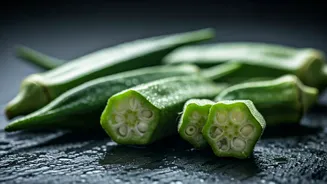
Let’s address the elephant in the room: the slime. The mucilage inside okra pods is what deters many from cooking it. But managing it is simpler than you think. The key is moisture and heat. First, always wash and thoroughly dry your bhindi before chopping. Any lingering water will activate the slime. Second, acid is your friend. A splash of lemon juice, amchoor (dry mango powder), or vinegar towards the end of cooking can help break down the stickiness. Finally, use high heat and don't overcrowd the pan. Cooking bhindi in a single layer in a hot pan sears the outside quickly, preventing it from steaming and becoming slimy. Small batches are always better than one large, soggy one.
Beyond the Everyday Bhindi Fry
Your bhindi repertoire doesn't have to end with a simple stir-fry. Indian cuisine offers a glorious spectrum of bhindi dishes that are waiting to be explored. There's the regal Bharwa Bhindi, where whole pods are slit and generously stuffed with a fragrant mix of gram flour and spices before being shallow-fried. Head south, and you’ll find Bendakaya Pulusu, a tangy and sweet tamarind-based stew from Andhra Pradesh where bhindi is the star. In Punjab, Bhindi Masala reigns supreme, with the vegetable cooked in a luscious onion-tomato gravy. And for a taste of something different, try the Bengali classic, Bhindi Sorshe, where it's cooked in a sharp, pungent mustard paste. Each dish offers a completely new way to experience your favourite vegetable.
The Art of the Perfect Kurkuri Bhindi
Of all the ways to enjoy it, Kurkuri Bhindi might be the most addictive. This crispy, snackable version is a guaranteed crowd-pleaser. The secret is a double-coating process and a good, hot fry. Start by slicing your bhindi into thin, lengthwise strips. Pat them completely dry—this is non-negotiable. First, toss them in a dry spice mix of turmeric, red chilli powder, coriander powder, and amchoor. Then, add a light coating of gram flour (besan) and a tiny sprinkle of rice flour for extra crispiness. Don't add water; the residual moisture in the bhindi should be enough to make the coating stick. Deep fry in hot oil until golden brown and irresistibly crunchy. Serve immediately with a squeeze of lime, and watch it vanish.