



A Nation's Disappointment
The year 2007 began as one of the lowest points in modern Indian cricket. The team, led by Rahul Dravid and filled with superstars, had unceremoniously crashed out of the 50-over World Cup in the group stages. The early exit after losses to Bangladesh
and Sri Lanka sparked outrage among fans, with effigies being burned and players' homes being targeted. The mood was bleak, and the team's morale was shattered. In the aftermath, coach Greg Chappell resigned, and the very structure of the team was under intense scrutiny. There was a clear need for a new direction and fresh energy as the cricketing world prepared for a brand-new experiment: the inaugural ICC T20 World Cup in South Africa.
The Seniors Make Way
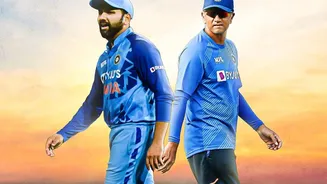
As the selection for the T20 World Cup loomed, a significant decision was made. The senior trio of Sachin Tendulkar, Sourav Ganguly, and captain Rahul Dravid decided to opt out of the tournament. According to then-team manager Lalchand Rajput, it was Dravid who suggested that the new, fast-paced format should be an opportunity for the younger players in the squad. This move created a leadership vacuum. With the established pillars of the team stepping aside, the Board of Control for Cricket in India (BCCI) was faced with the challenge of appointing a new captain to lead a relatively inexperienced side into an unknown format.
A Captaincy Conundrum
The captaincy issue became more complex during India's tour of England that same year. Rahul Dravid approached the then-BCCI President, Sharad Pawar, and expressed his desire to step down from the captaincy altogether, stating that the pressure was affecting his batting. Pawar’s first choice to take over was the most experienced player, Sachin Tendulkar. However, Tendulkar declined the offer. He had captained India in two previous stints without widespread success and, by his own admission, his body was in terrible shape, making him reluctant to take on the demanding role again. With both Dravid stepping down and Tendulkar refusing, Pawar was in a fix. He asked Tendulkar how the team should proceed without its two most senior leaders at the helm.
The Master's Recommendation
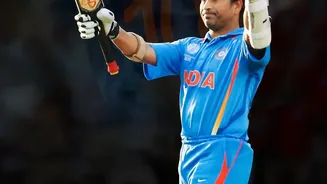
It was in that moment of uncertainty that Sachin Tendulkar made a suggestion that would alter Indian cricket history. He told Sharad Pawar that there was another player in the team who could lead: MS Dhoni. This was a surprise. While players like Virender Sehwag and Yuvraj Singh were also in contention, Dhoni had never captained India at any level. Tendulkar later revealed his reasoning. Having fielded in the slips close to Dhoni, who was the wicket-keeper, he had numerous on-field conversations with the younger player about tactics and situations. Tendulkar was consistently impressed by Dhoni's calm, balanced, and mature responses. He saw a sharp cricketing mind that was always thinking a step ahead of the game, a quality he believed was essential for a good captain.
A Gamble That Defined an Era
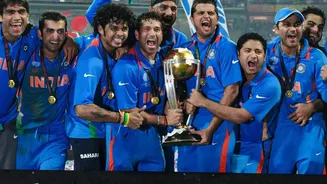
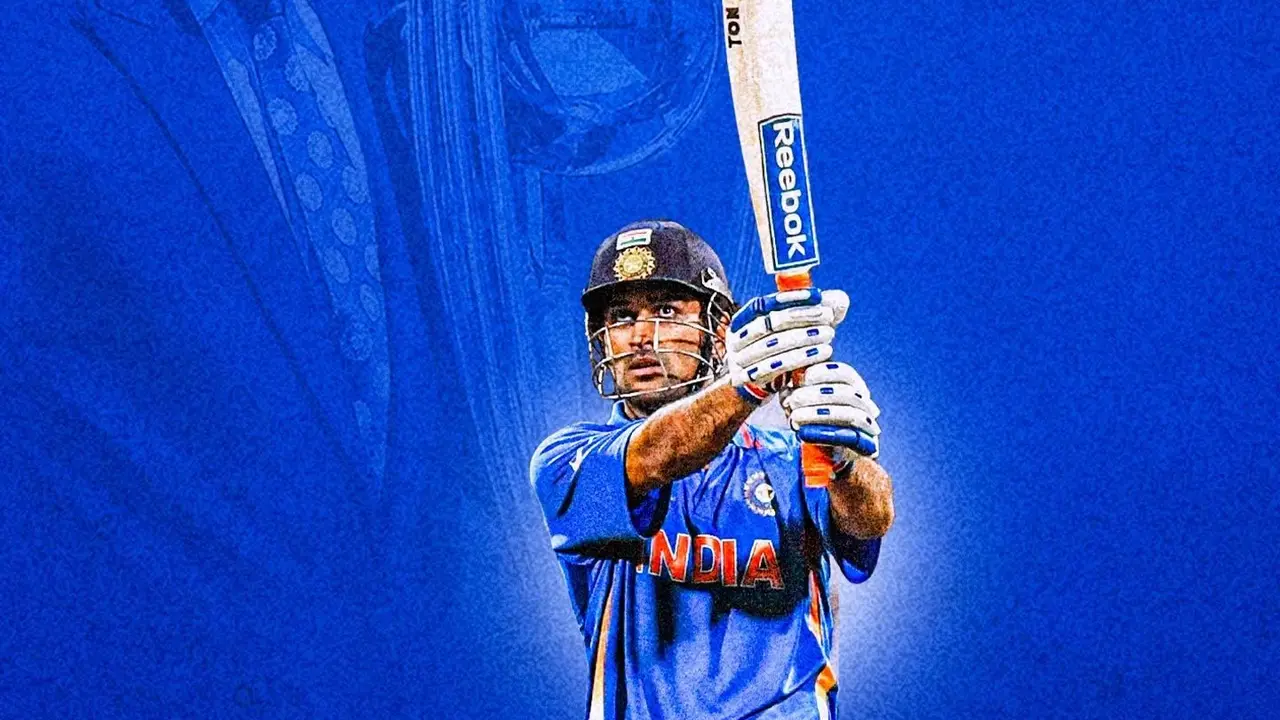
Acting on Tendulkar's firm recommendation, the BCCI appointed the 26-year-old Dhoni as the captain for the T20 World Cup. It was a significant gamble. Dhoni was tasked with leading a young squad, missing its biggest names, in a format that was entirely new to the international stage. Yet, the decision proved to be a masterstroke. Dhoni's calm and instinctive leadership style galvanised the young team. They played with a freedom and fearlessness that was infectious, defying all expectations. The campaign culminated in a thrilling final against arch-rivals Pakistan, which India won, clinching the inaugural T20 World Cup. That victory was not just a trophy; it was the dawn of a new era. It healed the wounds of the ODI World Cup failure and announced the arrival of Captain Cool, who would go on to become India's most successful captain, winning all three major ICC trophies.