


The New Status Sip
A significant shift is underway in the beverage aisles and social settings of urban India. Consumers are increasingly reaching for premium, low-sugar, or zero-sugar sparkling drinks. This isn't just about replacing a high-calorie soda with a diet version.
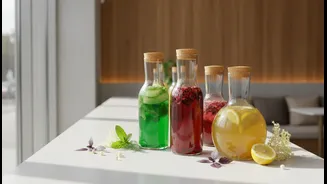
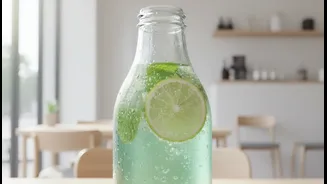
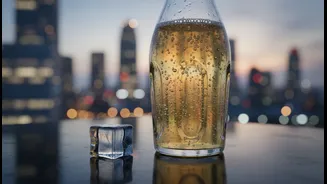
This trend is about embracing a new category of beverages defined by sophisticated branding, complex flavour profiles, and a clear wellness-oriented identity. These drinks, often infused with botanicals, herbs, or exotic fruit extracts, are positioned not merely as refreshments but as a lifestyle choice. The market for these functional and health-centric beverages is expanding rapidly, with growth rates significantly outpacing the overall beverage industry. This surge signals a change in what modern consumers consider a treat.
More Than Just a Health Kick
The move towards these bubbly beverages is driven by more than just calorie-counting. It’s a confluence of several powerful cultural currents. Firstly, there's the global rise of preventive wellness, where consumers proactively make healthier choices to support long-term wellbeing. Secondly, the 'sober curious' movement is gaining serious traction, especially among millennials and Gen Z in India's metros. This mindset encourages mindful consumption of alcohol, leading many to seek sophisticated non-alcoholic alternatives that still feel special and inclusive in social situations. An IWSR study found that 72% of affluent drinkers across 10 major Indian cities had taken a break from alcohol, highlighting a significant market for premium non-alcoholic options. Not drinking is no longer seen as an exception but as an aspirational choice.
What Makes It an 'Indulgence'?
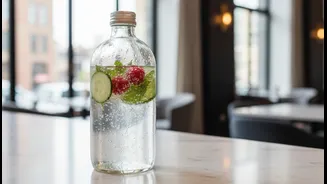
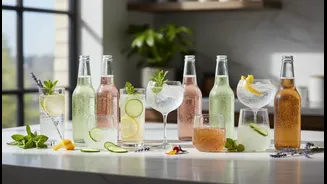
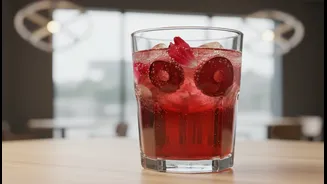
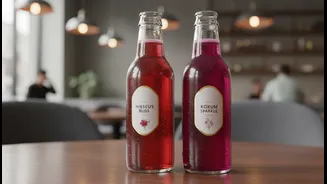
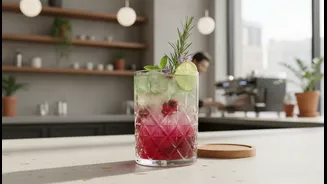
If these drinks are low in sugar and often low in calories, where does the sense of 'indulgence' come from? The premium experience is crafted through several factors. The packaging is often sleek and minimalist, signalling a high-quality product. The flavour profiles are far from simple; think botanical infusions, ginger-based carbonates, and fruity sparkling sodas designed for a mature palate. This complexity provides an experience akin to a craft cocktail. Furthermore, the higher price point itself contributes to the perception of it being a treat. It's an affordable luxury—a small, daily way to invest in one's health and feel sophisticated without the effects of sugar or alcohol. Brands are marketing these drinks not as diet products, but as symbols of a modern, mindful, and aspirational lifestyle.
The Market Responds in a Fizz
Both established beverage giants and agile startups are tapping into this trend. Large companies like Coca-Cola and PepsiCo have seen their low- and no-sugar offerings surge, accounting for a dramatically higher percentage of sales compared to just a few years ago. At the same time, a host of homegrown brands are making their mark by offering unique, often natural and locally-inspired flavours. The functional beverages market in India, which encompasses many of these drinks, reached approximately USD 6.9 billion in 2025 and is projected to nearly triple by 2034, showcasing the immense commercial momentum behind this consumer shift. This growth is validating the category as a mainstream segment, not just a niche interest.