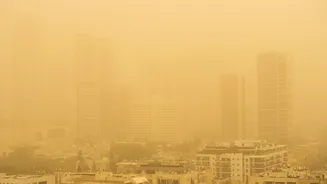






The definition of a perfect holiday is changing. Beyond sightseeing and new cuisines, a growing number of travellers are now seeking something more fundamental: clean air. Welcome to the era of the 'urban recovery holiday'.
What is an Urban Recovery Holiday?
The term might be new, but the
concept is deeply intuitive. An urban recovery holiday is a trip planned specifically to escape poor air quality at home and recuperate in a healthier environment. It's less about ticking off a list of tourist attractions and more about restoration. The goals are simple: breathe easier, sleep better, and reduce the physical and mental stress caused by living in a polluted environment. Unlike a remote digital detox or a rustic nature retreat, this trend is distinctly urban-focused. It's about finding cities that have successfully integrated green spaces, clean technology, and pedestrian-friendly infrastructure, offering the best of both worlds: the stimulation of city life and the restorative qualities of a healthy environment.
The Driving Force: A Quest for Wellness
The rise of this trend is rooted in a broader global shift towards wellness and heightened health awareness. Studies have consistently shown that poor air quality is a major deterrent for tourists, who are increasingly factoring environmental conditions into their travel plans. This concern isn't just for those with pre-existing respiratory conditions; even short-term exposure to pollutants can negatively impact a holiday experience. In regions like Delhi-NCR, travel agencies have reported a noticeable spike in bookings to less polluted areas during periods of heavy smog, with travellers making spontaneous decisions to escape the haze. This reactive travel is evolving into a proactive wellness strategy, where clean air is no longer a bonus but a non-negotiable feature of a trip. It's part of a larger movement where health is integrated into every aspect of travel, from air and water quality to sleep optimization.
The New Urban Oasis
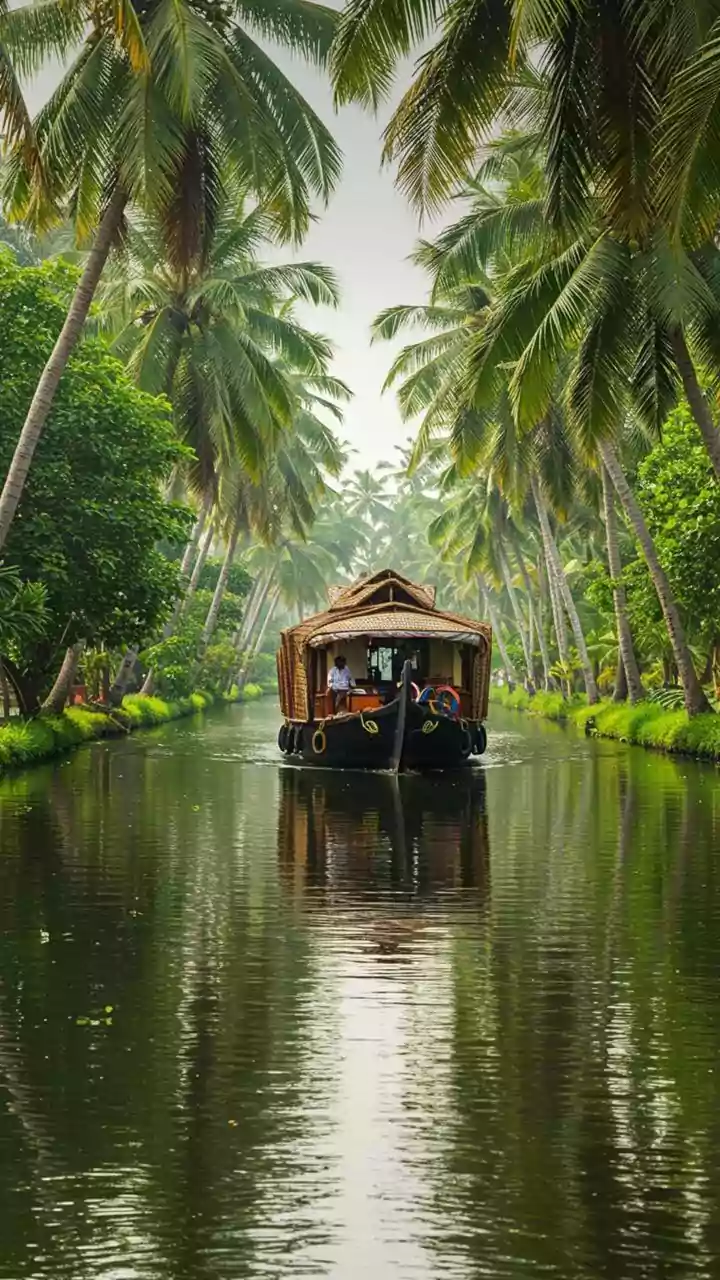
So, what does an urban recovery destination look like? It's a city that has invested heavily in quality of life. Think extensive public transport networks, strict vehicle emission controls, and a commitment to preserving and expanding green spaces. These are places where you can enjoy world-class museums and restaurants while breathing air that is measurably clean. They prove that an 'urban jungle' doesn't have to be a concrete one. Instead, these cities are pioneering a new model where metropolitan life and environmental health coexist. The focus is on creating restorative ecosystems within the city itself, with everything from building design and acoustics to air quality being carefully managed. This allows travellers to recover and recharge without having to completely disconnect from the world.
Destinations Leading the Charge
A number of cities around the world have become beacons for this new type of travel. Zurich in Switzerland consistently ranks as one of the world's cleanest cities, offering Alpine views and pristine lakes alongside its cultural attractions. In the Nordics, cities like Reykjavík, Iceland, and Stockholm, Sweden, combine vibrant city life with exceptional air quality, thanks to their reliance on renewable energy and proximity to nature. Further afield, Honolulu, Hawaii, benefits from Pacific trade winds that keep its air fresh, making it a top choice in the United States. In India, those escaping pollution in the northern plains often head to the hills of Uttarakhand and Himachal Pradesh or fly to destinations like Gangtok in Sikkim, which regularly posts some of the country's lowest AQI readings. These cities are not just holiday spots; they are benchmarks for what a healthy urban environment can be.