




A Volatile Weather Overlap
Just as the Southwest Monsoon was expected to make a quiet exit, a new weather pattern is emerging, creating a volatile mix. The India Meteorological Department (IMD) has forecast the onset of the Northeast Monsoon around October 15. This collision of two
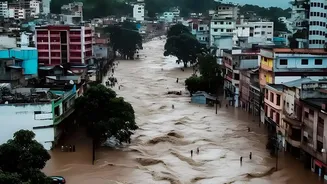
monsoon systems is leading to predictions of heavy to very heavy rainfall in isolated areas across Kerala, Tamil Nadu, and Karnataka between October 15 and 18. This isn't a gentle transition but a turbulent period of intense rain spells, thunderstorms, and gusty winds, creating widespread uncertainty for a region heavily dependent on tourism.
From Treks to Beaches, Plans on Hold
The immediate impact is being felt by outdoor and adventure tourism operators. In Kerala, authorities in districts like Wayanad have previously suspended activities like trekking and adventure tourism in response to heavy rain alerts. With the IMD issuing orange alerts for several districts including Pathanamthitta, Idukki, and Ernakulam for October 15, similar closures are anticipated. This affects popular activities from treks in the Western Ghats, like those in Coorg and Wayanad, to water sports and beach activities along the coasts of Karnataka and Tamil Nadu. Even famed tourist centres like Ponmudi have been closed in the past during such downpours to ensure safety. The unpredictable nature of the rain means that boat trips, city walking tours, and visits to wildlife reserves could all face sudden cancellations or disruptions.
The Economic Ripple Effect
For the thousands of people whose livelihoods depend on tourism, these forecasts are a source of major concern. The tourism industry contributes significantly to the economies of states like Kerala, where it accounts for nearly 10% of the Gross State Domestic Product. Previous extended rainy seasons have wrecked the industry, leading to mass cancellations. While some operators see a niche market for 'monsoon tourism', widespread and severe rain is a deterrent. Hotel occupancy can drop significantly, and the disruption hits not just large hotels but also the vast network of guides, drivers, small guesthouse owners, and local artisans who rely on a steady flow of visitors. The impact is compounded when infrastructure like roads is affected, which can bring local travel to a standstill.
An Industry Adapting to Uncertainty
In response to increasingly erratic weather, the tourism industry is slowly adapting. Many tour operators and travel platforms are now emphasising flexibility, offering refundable bookings and alternative indoor activities. Recommending travel insurance that covers weather-related disruptions is also becoming a standard practice. There is a growing awareness among both operators and travellers for the need for contingency plans. This includes real-time monitoring of weather updates and having pre-arranged backup plans in case of travel disruptions. This shift from a fixed itinerary to a more adaptable travel plan is becoming essential for navigating the challenges of climate variability, which experts predict will lead to more frequent high-intensity rainfall events in the future.