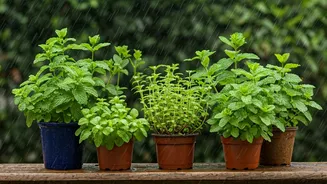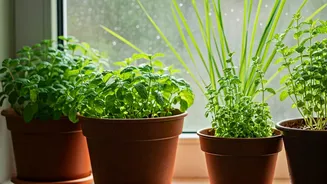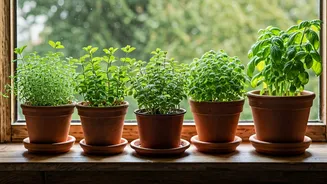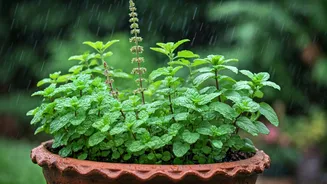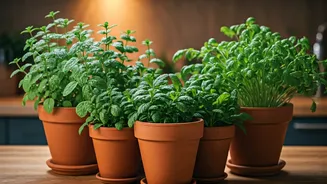




1. Mint (Pudina)
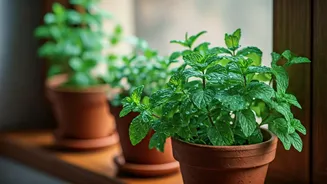
Mint is famously resilient and an excellent choice for beginner gardeners. It flourishes in the cool, damp conditions of the monsoon, growing rapidly even in pots. For indoor growing, choose a wide container rather than a deep one, as its roots like to
spread. Place it near a window where it can get indirect or filtered sunlight, as intense direct sun can scorch its leaves. Keep the soil consistently moist but not waterlogged—a key challenge during humid months. Good drainage is crucial to prevent root rot. Harvest leaves regularly by pinching off the tops; this encourages the plant to grow bushier and prevents it from becoming leggy. Fresh pudina is always ready for your chai, chutneys, or a refreshing glass of lemonade.
2. Holy Basil (Tulsi)
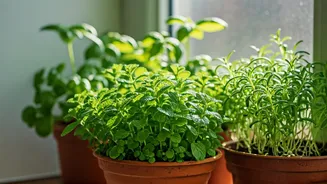
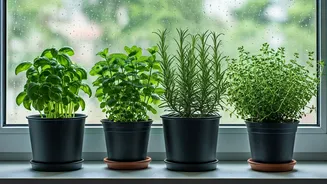
An essential in almost every Indian household, Tulsi is revered for both its spiritual and medicinal qualities. It thrives in the warm, humid weather that the monsoon brings. While it loves sunlight, an indoor Tulsi plant can do well with 4-6 hours of light a day, so a spot near a south-facing window is ideal. If you're growing from seeds, sow them about a quarter-inch deep in a well-draining pot filled with a mix of garden soil and compost. The most common mistake with Tulsi is overwatering. Allow the top inch of the soil to dry out before watering again. To ensure a full, leafy plant, pinch off the flower heads (manjaris) as they appear. This directs the plant's energy into producing more aromatic leaves, which are perfect for immunity-boosting teas during the rainy season.
3. Indian Borage (Ajwain)
Often mistaken for the source of carom seeds, the Ajwain plant is actually Indian Borage, a fragrant, fleshy-leaved herb. It's incredibly easy to grow and propagate, making it perfect for indoor gardening. This plant is a succulent, meaning it stores water in its leaves and requires less watering than other herbs, a major advantage in the humid monsoon. Ensure the pot has excellent drainage and water only when the soil feels dry. It needs a few hours of direct sunlight to grow well and avoid becoming leggy. You can easily grow a new plant from a cutting. The leaves have a strong, thyme-like aroma and are popularly used in home remedies for coughs and colds, or to make savoury pakodas.
4. Lemon Balm
A member of the mint family, Lemon Balm is a delightful herb to grow for its wonderful citrusy scent that can uplift any room. It is quite adaptable and can thrive indoors in a container. It prefers a spot with at least five hours of sunlight but can tolerate partial shade. Like mint, it spreads readily, so a pot is a good way to keep it contained. Use a good quality potting soil and a container with good drainage. Water it regularly, but let the top inch of soil dry out between waterings to avoid root issues like yellowing leaves. Harvest the leaves often to encourage new growth and prevent the plant from flowering, which can alter the taste of the leaves. The fresh leaves are fantastic for making calming teas or adding a zesty twist to water and salads.